
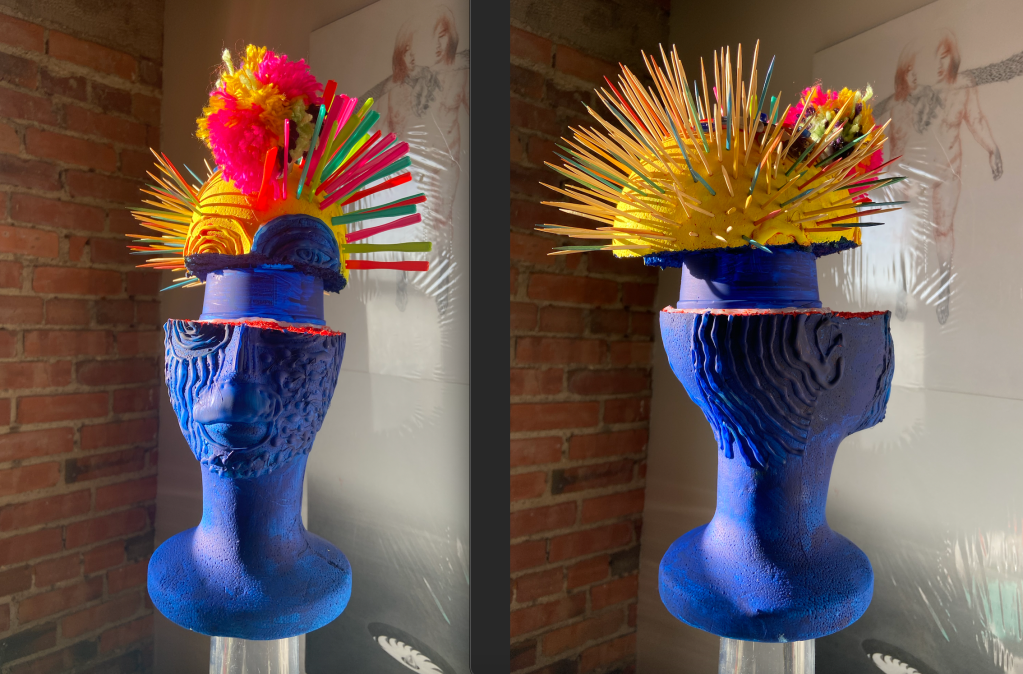
In February 2022 I started teaching for EPIC Arts Program at Redline for a semester-long project designed to engage children in grades K-12 living in stressed communities who would otherwise have limited or no access to quality arts education.
RedLine’s (E)ducation (P)artnership (I)nitiative for the (C)reative, aka EPIC Arts Program, challenges the current pedagogy in order to create room for students’ voices. The program was initiated in 2010 in response to the need for increased support for arts education in Denver’s schools, and a desire expressed by RedLine’s artists to work with under-resourced students in the Five Points neighborhood and beyond.
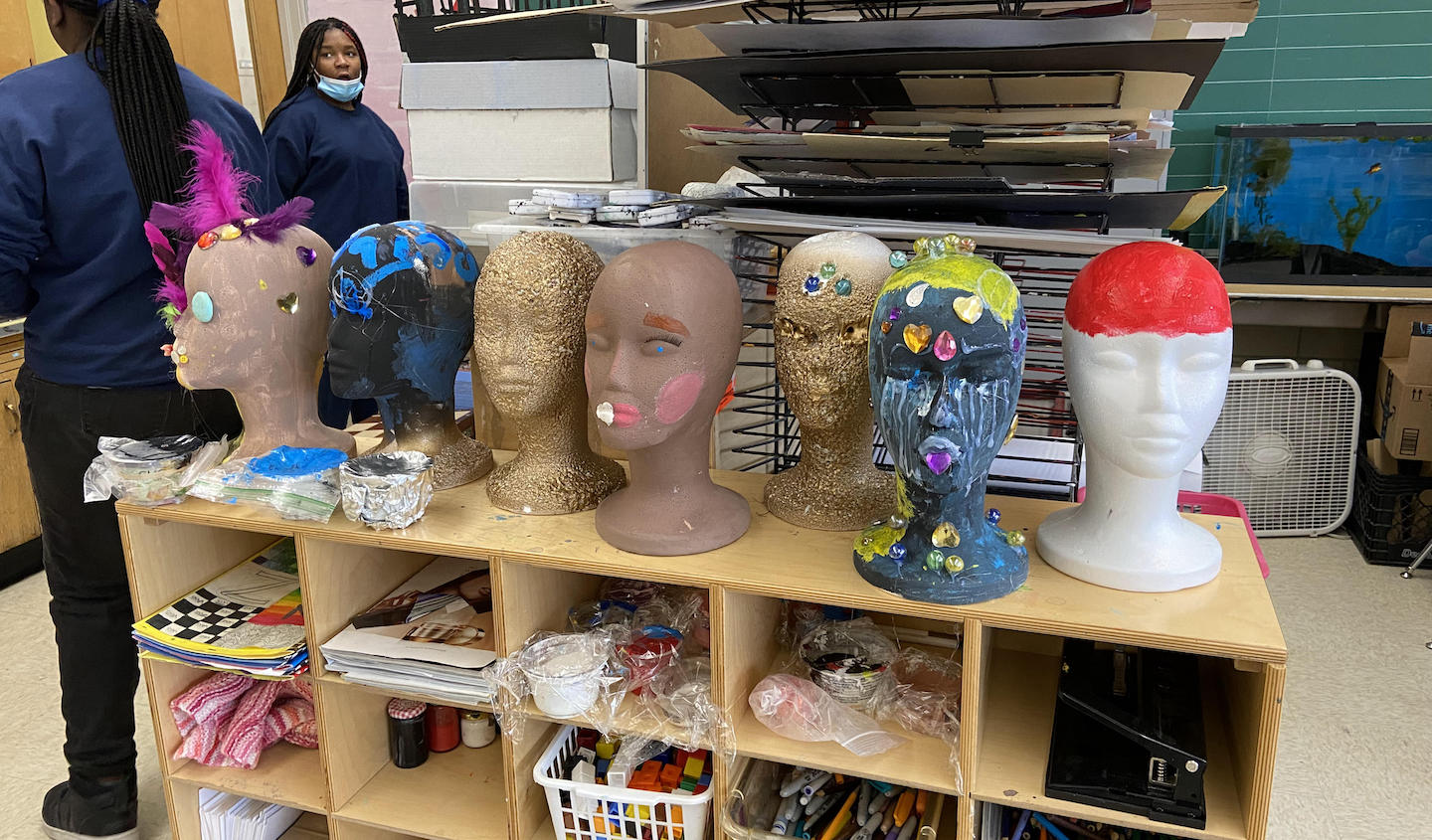
I was paired with Art Teacher Ms.Carlyn Horne at Whittier ECE-8 school in northeast Denver. It was interesting to study the historical significance of the school in the Denver northeast Rhino neighborhood.
The school was named for the abolitionist poet John Greenleaf Whittier. John Greenleaf Whittier was an American Quaker poet and advocate of the abolition of slavery in the United States. Whittier is remembered particularly for his anti-slavery writings, as well as his book Snow-Bound. The city’s first African-American teacher, Marie Anderson Greenwood, was hired by the Denver school system to teach first grade at Whittier Elementary School in 1938. She was hired under a three-year probationary agreement, with the understanding that the school system would not hire another black until she passed her probation. Her success opened the school district to many African-American teachers.
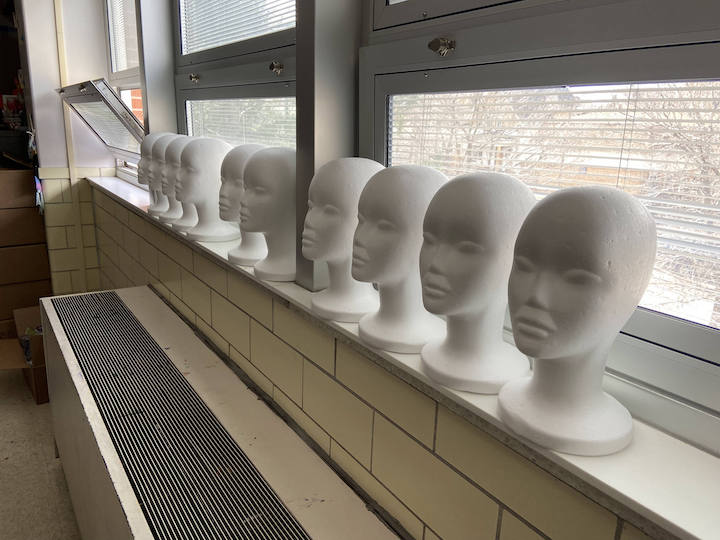
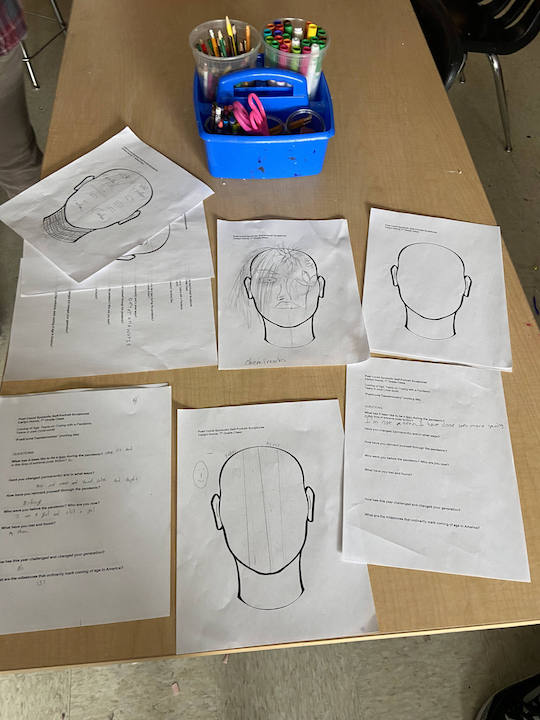
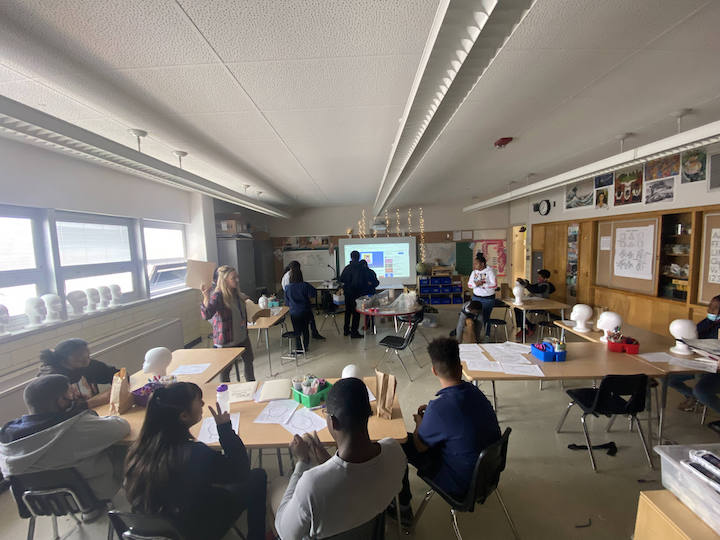
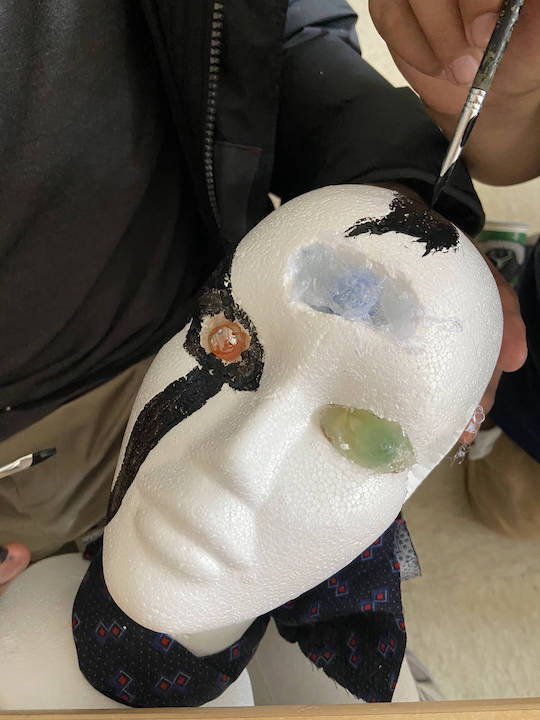
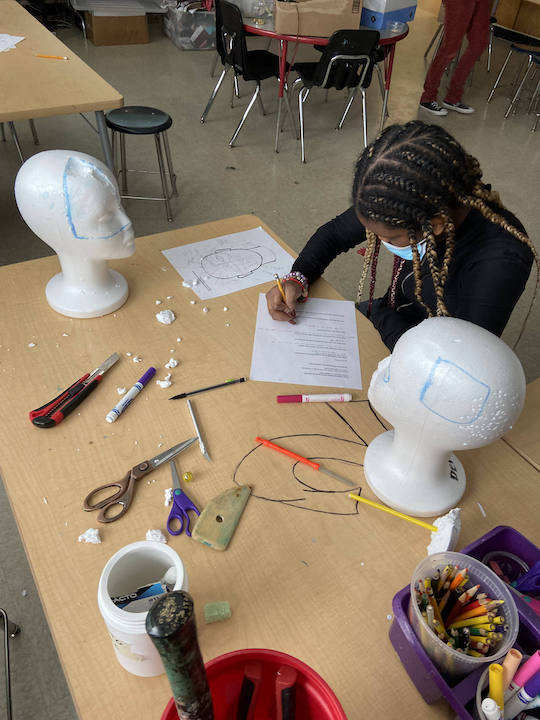
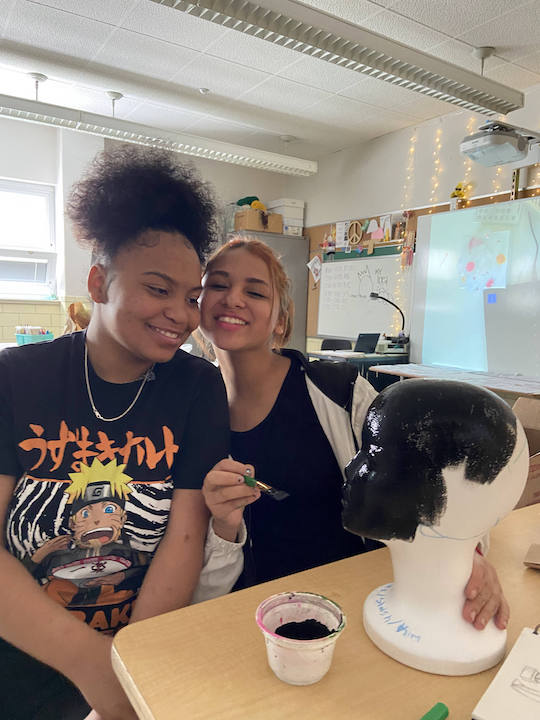
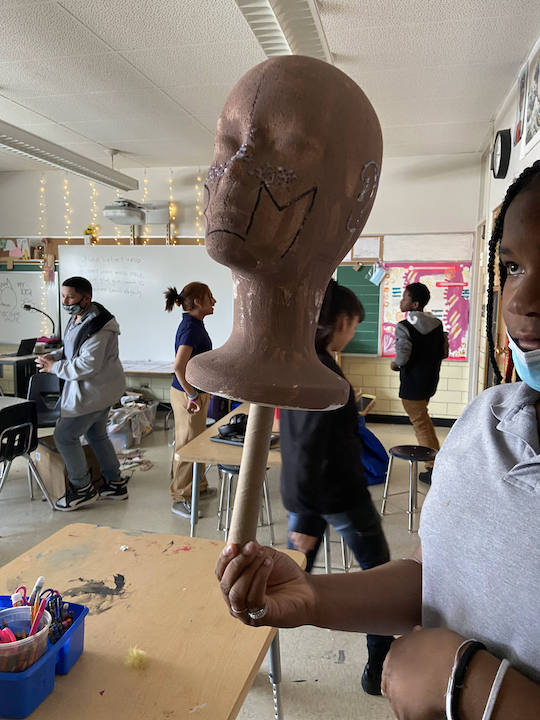
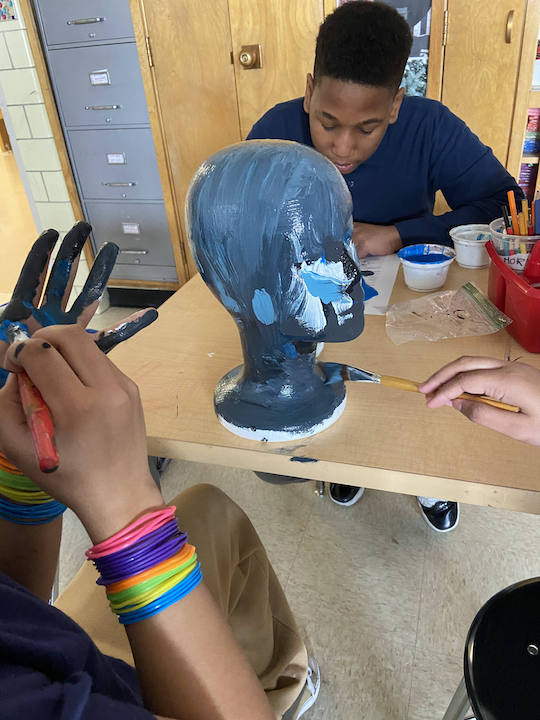
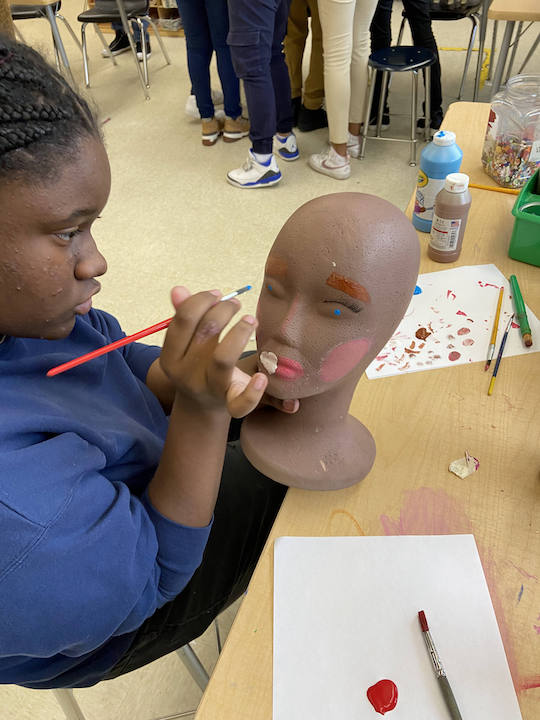
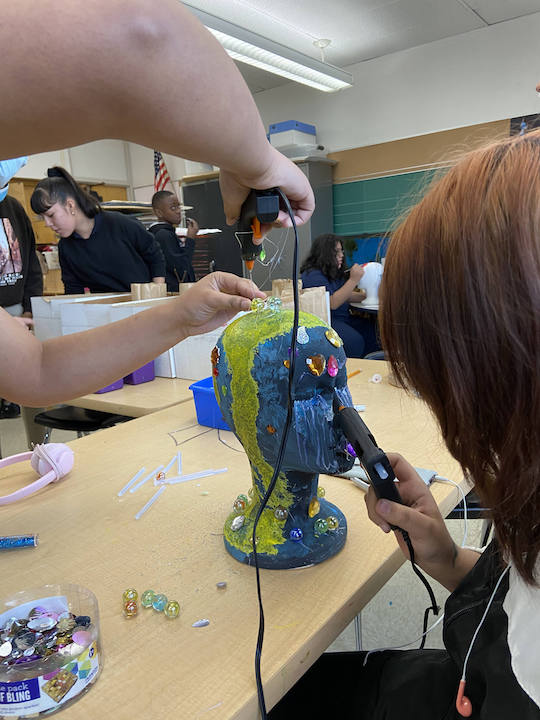
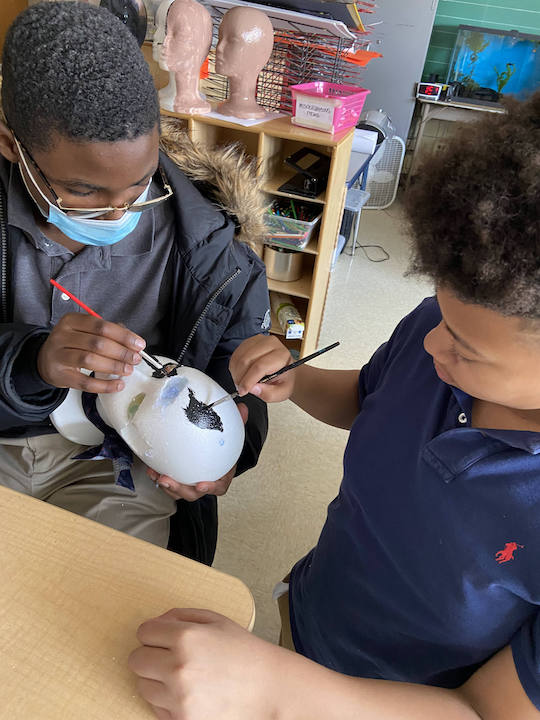
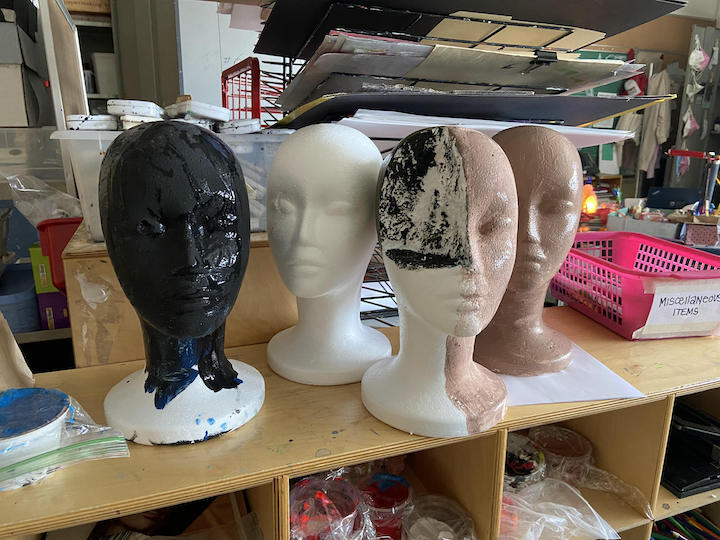
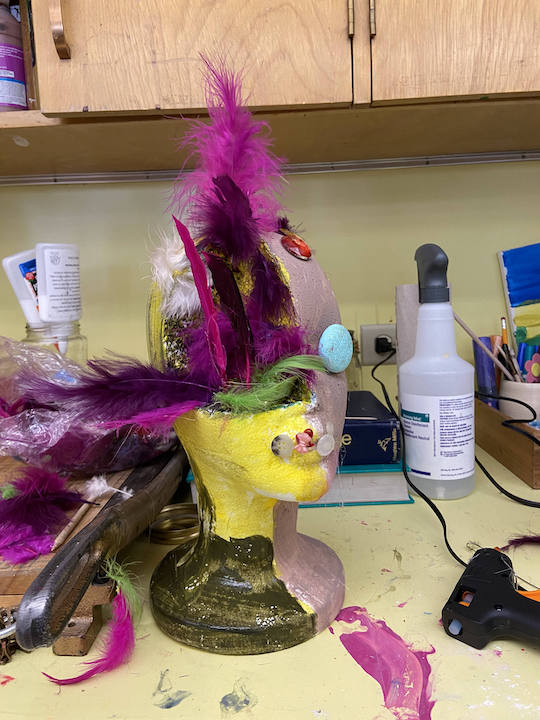
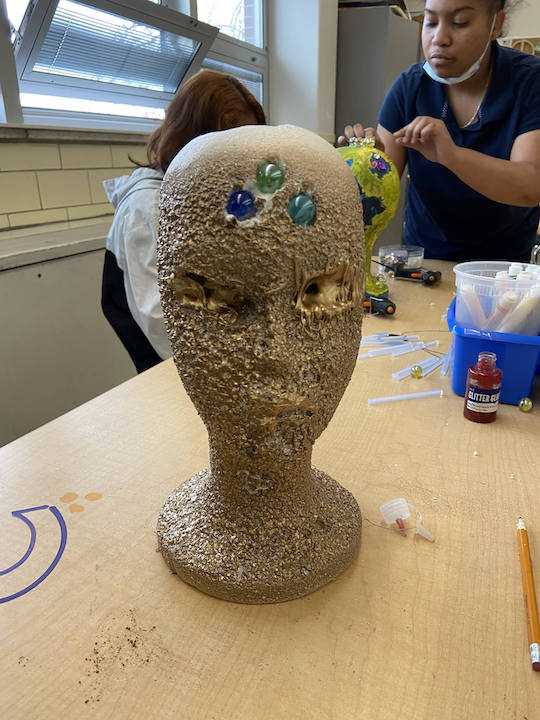
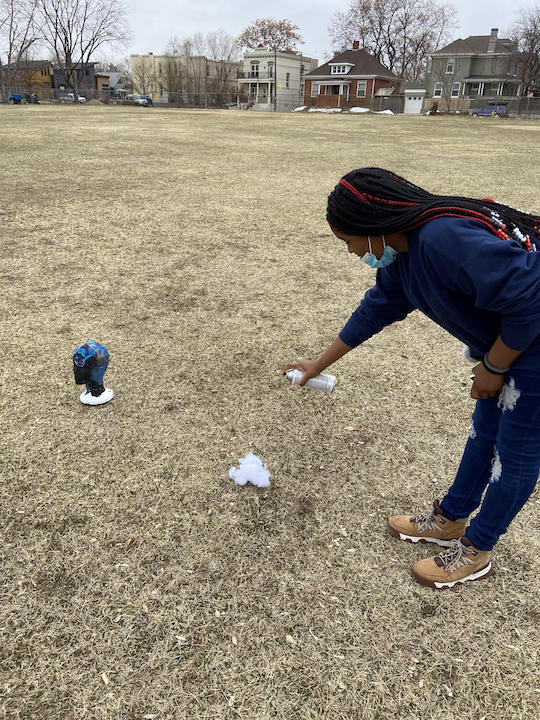
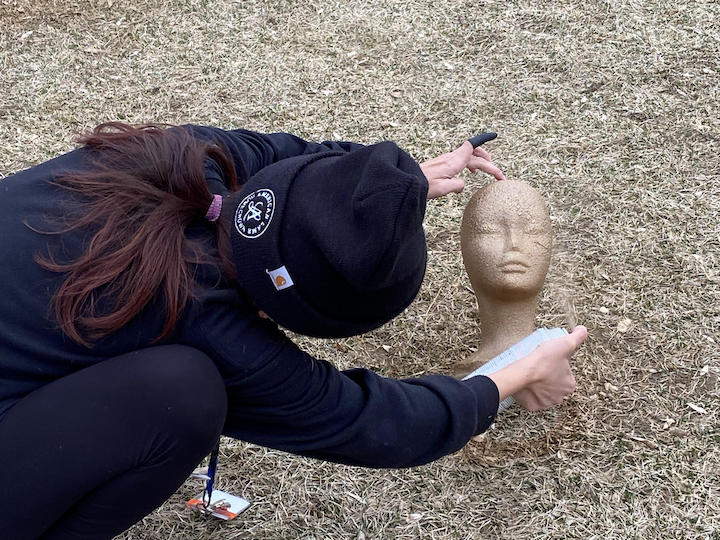
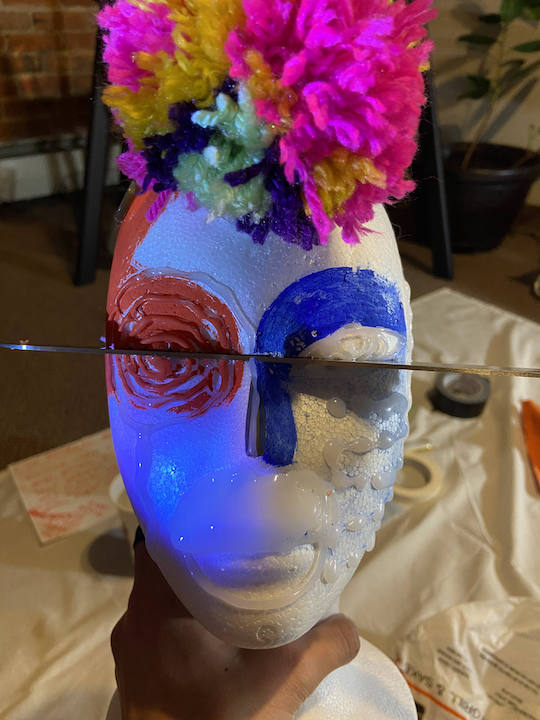
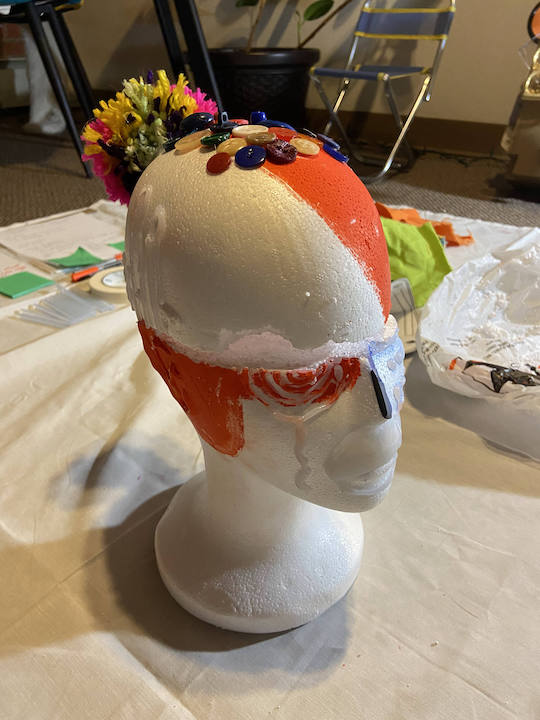
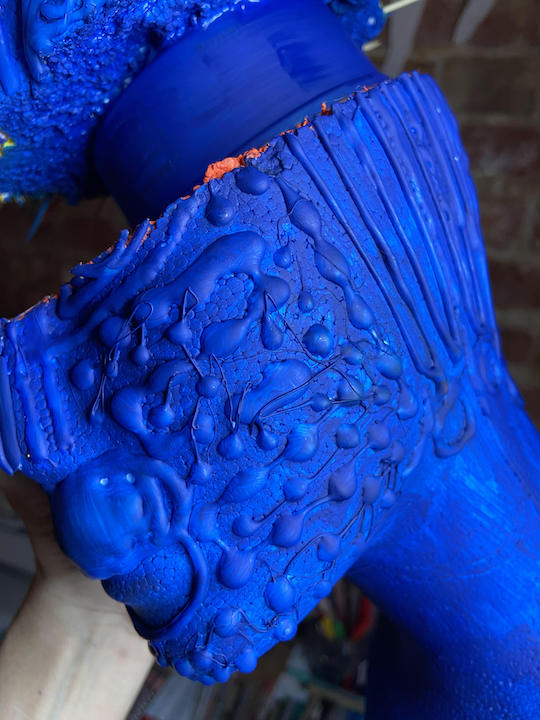
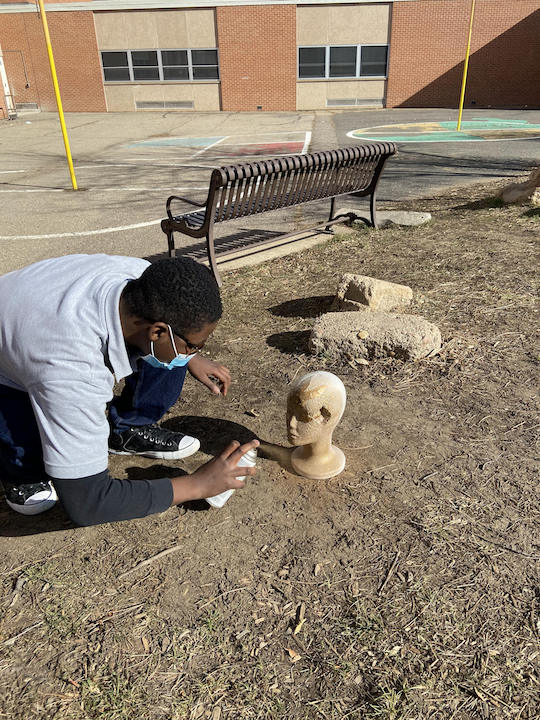
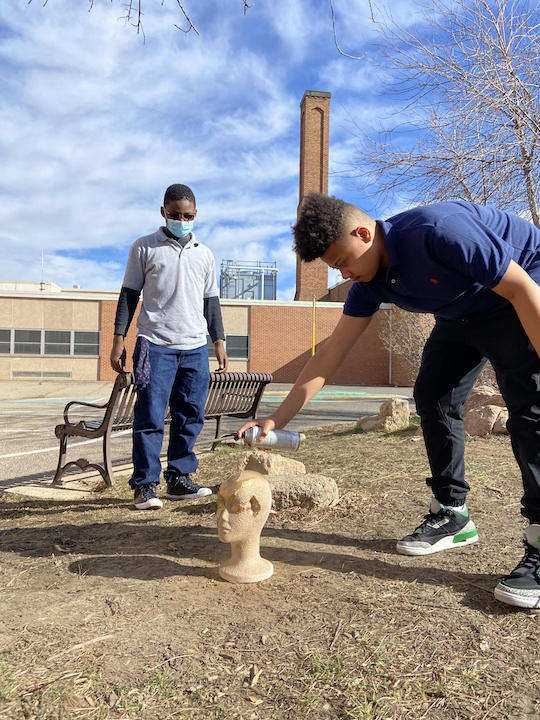
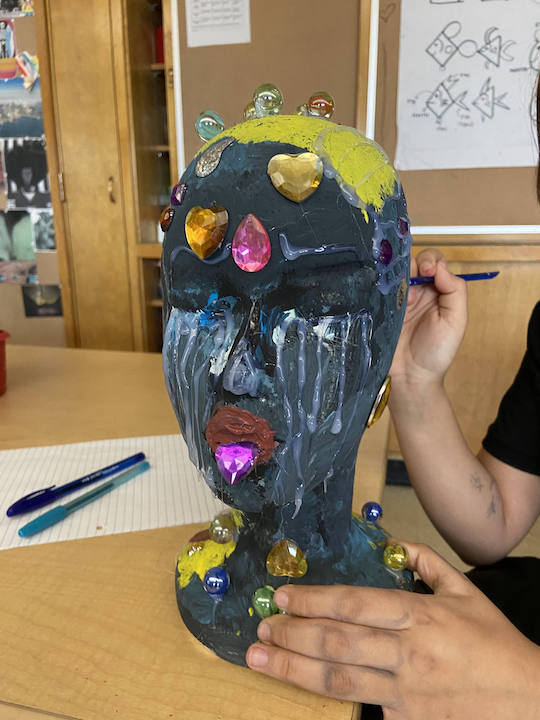
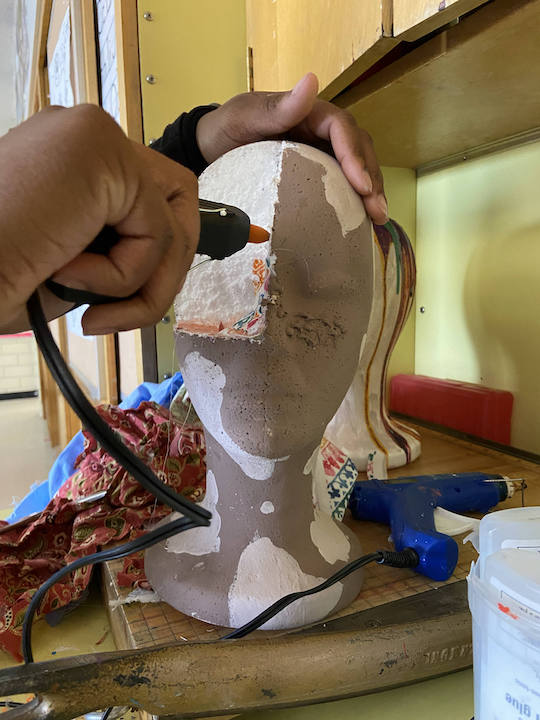
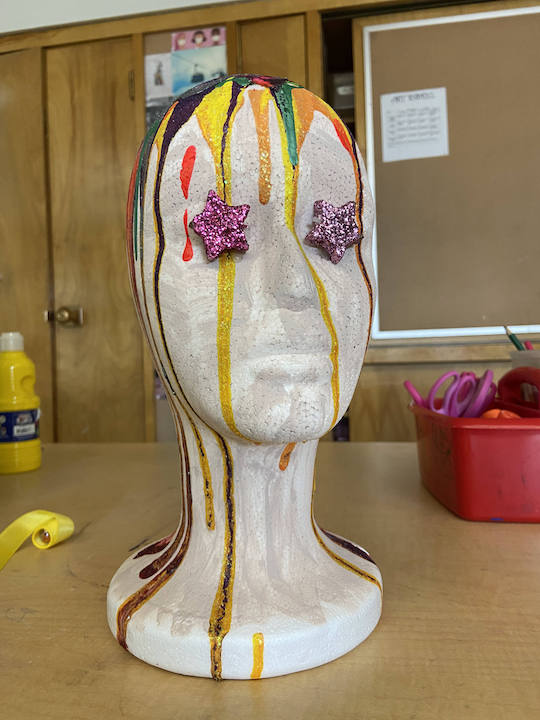
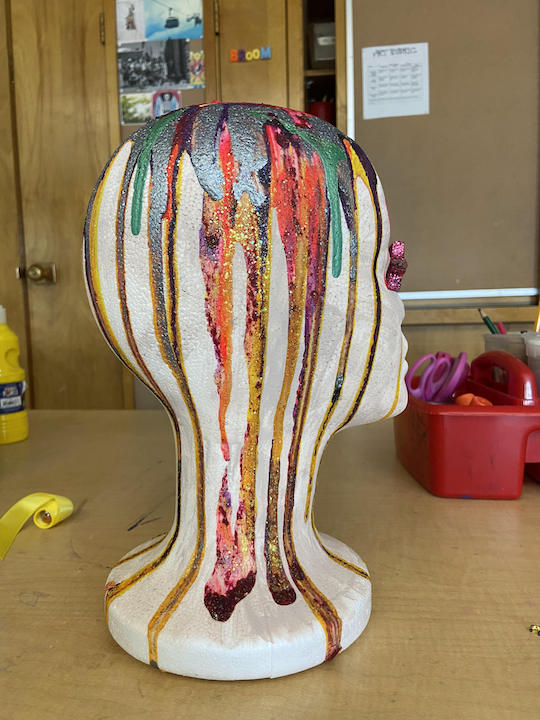
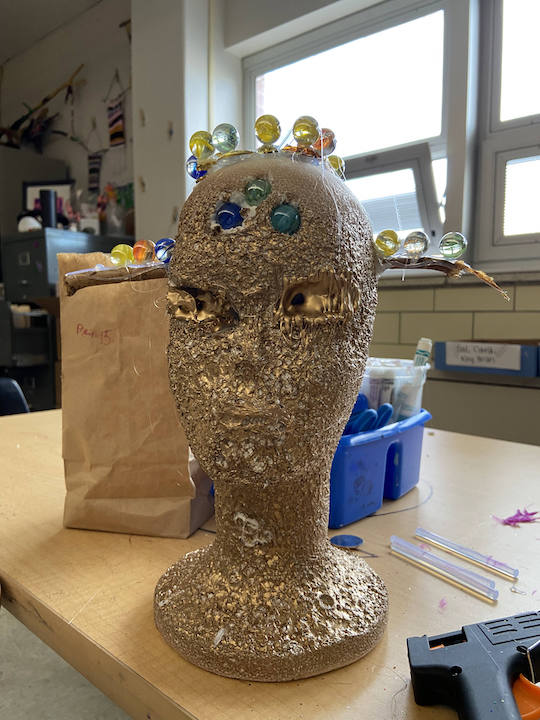
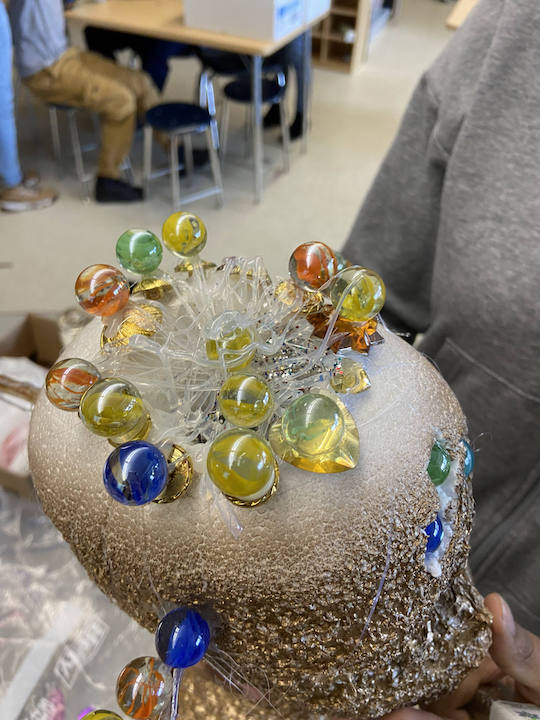
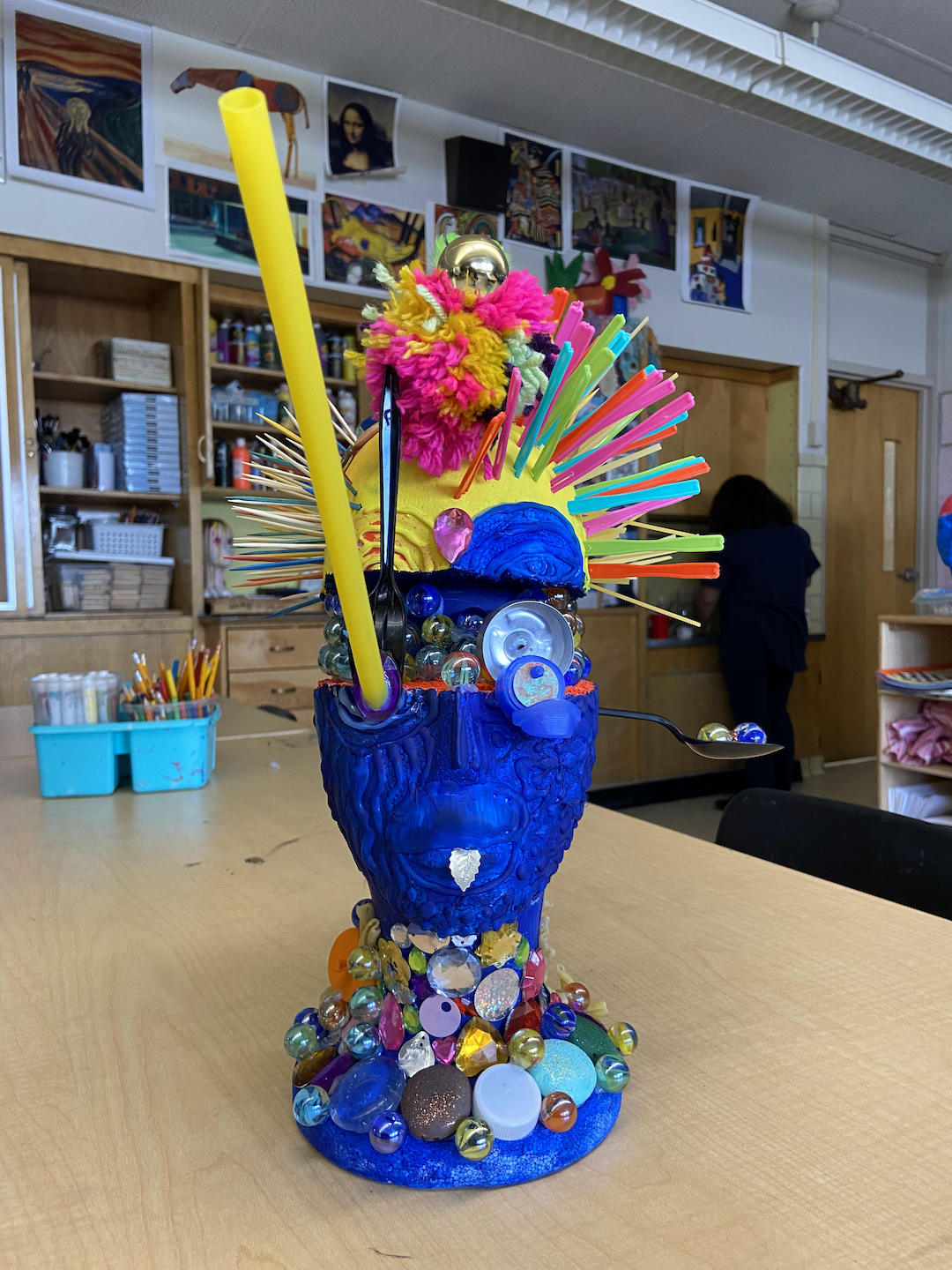
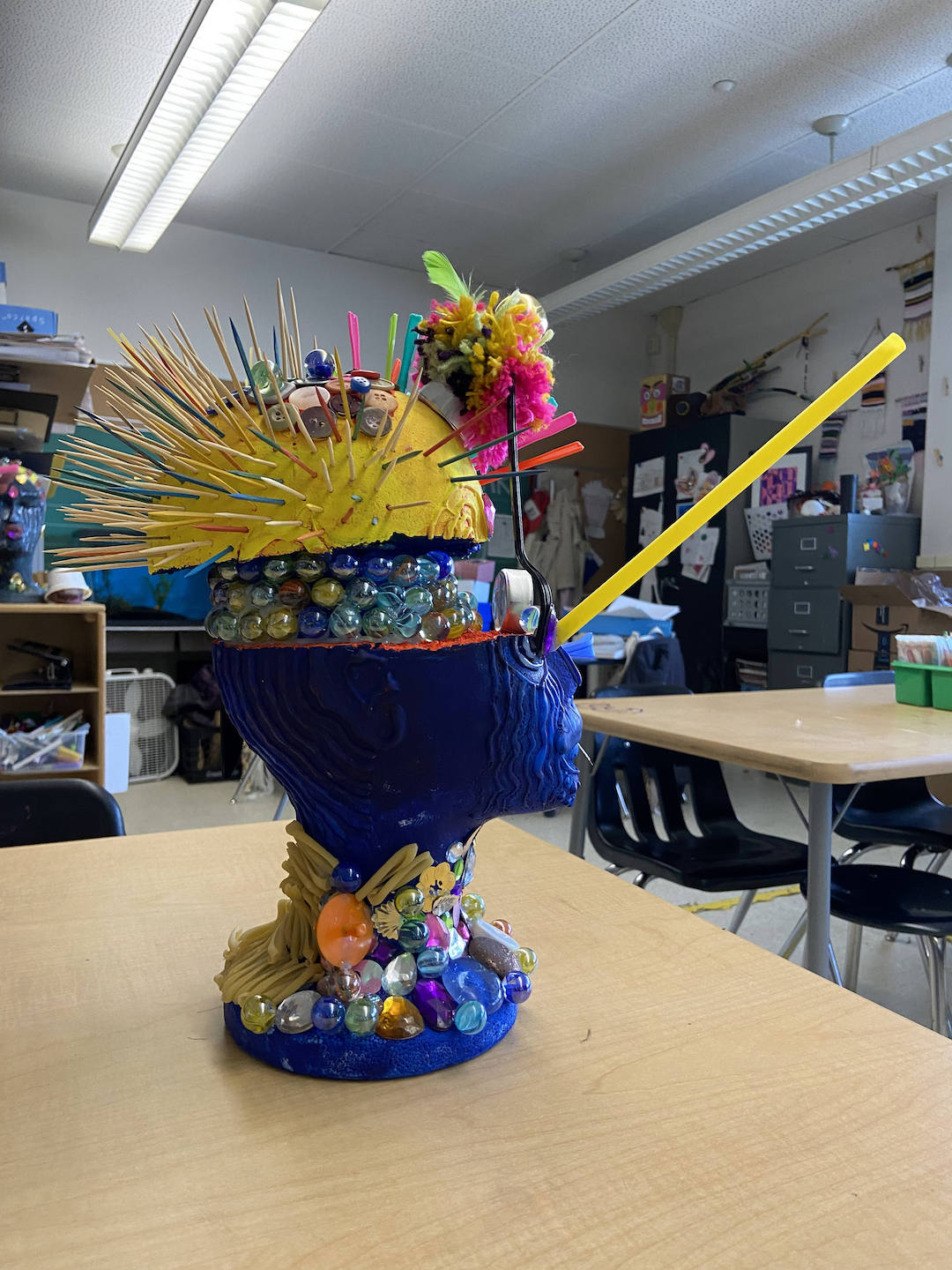
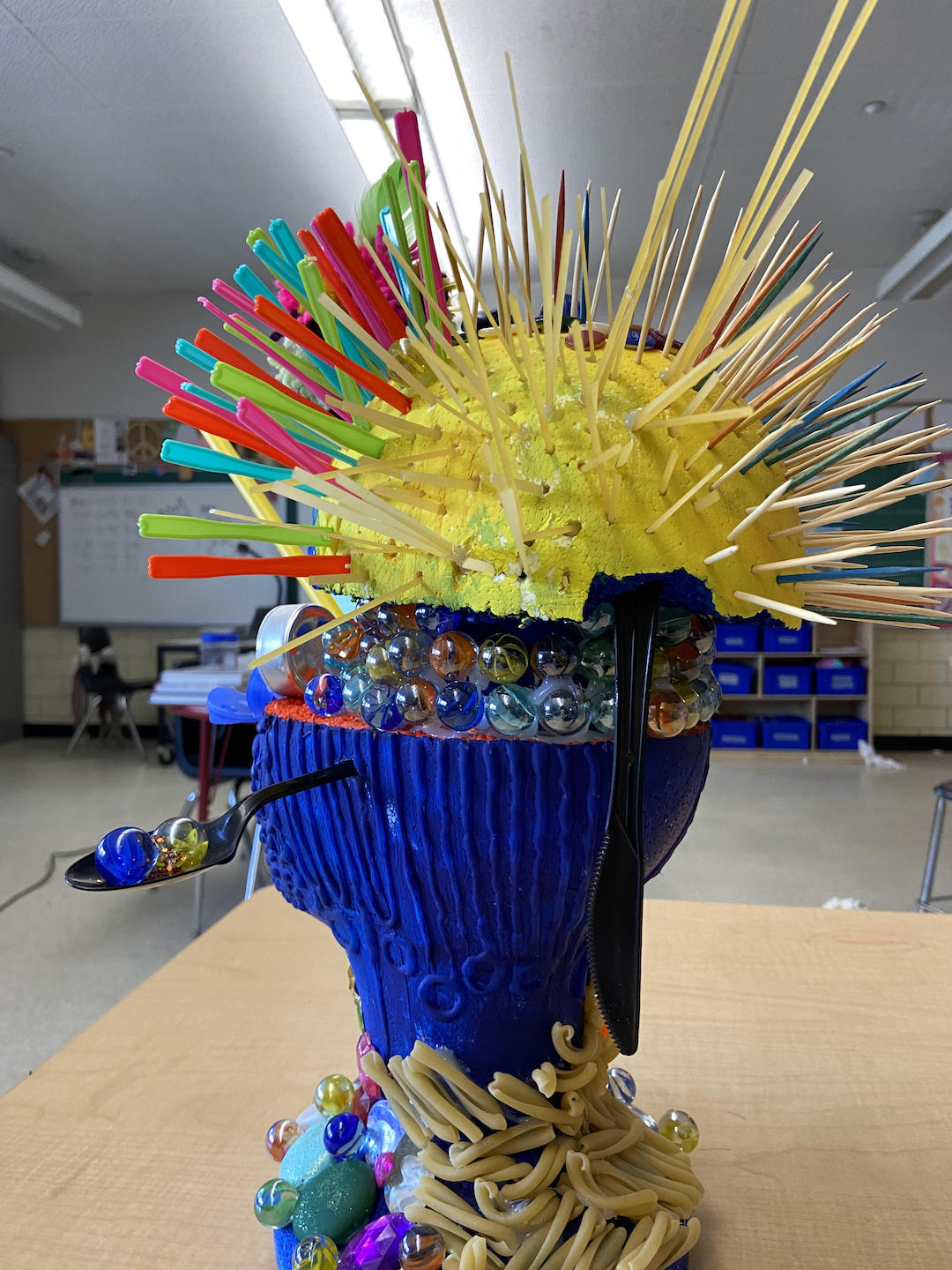
I am working with students to design symbolic self portrait sculptures using a malleable styrofoam base as a simulation of their face to express inner and outer most selves using a variety of mixed/natural materials to reference symbolic meaning and social messaging. The Styrofoam base provide a fun container where student can express a variety of voices, colors, opinions and individual social issues like race, identity, sexuality, family, culture, etc. Each sculpture represents a statement on how the pandemic has challenged and changed our youth generation.
What has it been like to be a teen during the pandemic?
Have you changed and in what ways?
How have you reinvent yourself through the pandemic?
Who were you before the pandemic? Who are you now?
What have you lost and found?
 hilitehead
elaborate?