
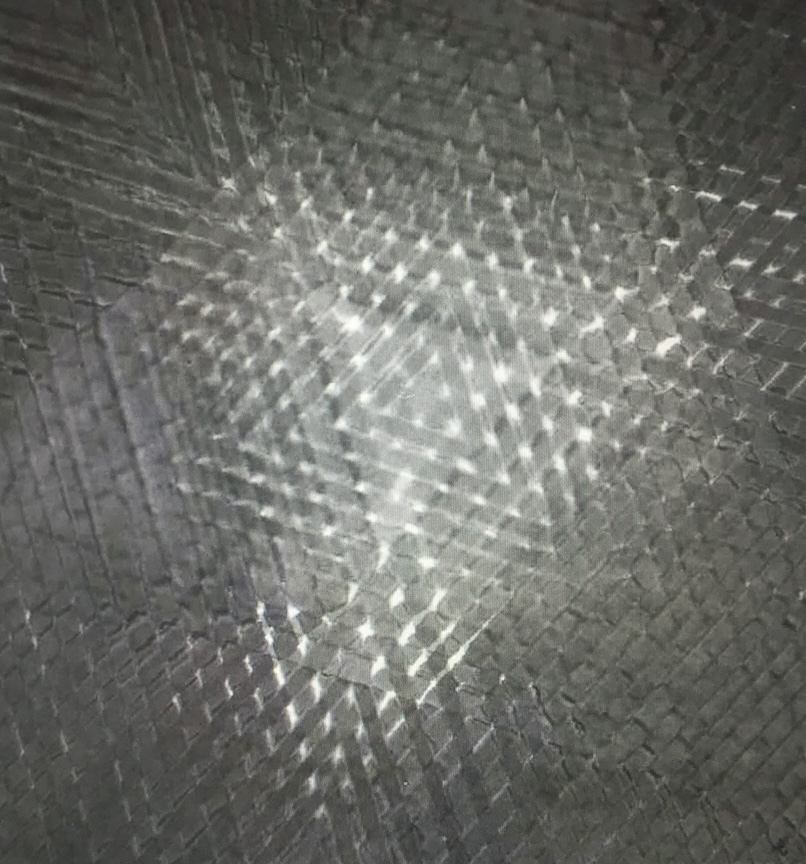
The Light of Ink exhibition reinterprets the fundamental visual language of ink art while investigating the dynamic integration of contemporary artistic concepts with traditional Chinese media. The Light of Ink exhibition presents artist Zhaohui’s three-decades long career oeuvre encompassing his evolution of artistic practices, observations, and personal reflections.
Exhibition Dates|March 13, 2025 – April 30, 2025
Opening Reception & Artist Talk|March 13, 2025, 6:00 PM – 8:00 PM
Artist Workshop – Chinese Ink Painting Class | March 19, 2025 from 4:00 PM – 6:00 PM
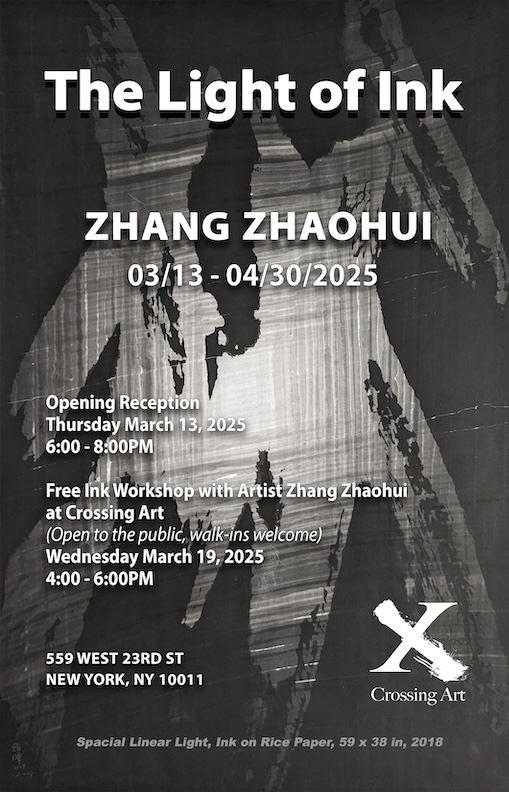
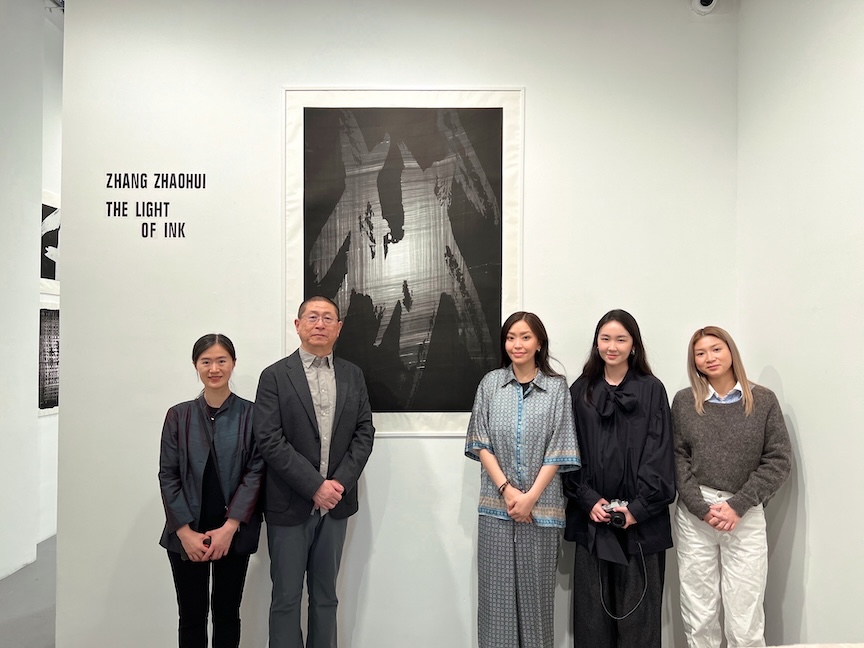
My curatorial debut at Crossing Art was artist Zhang Zhaohui’s solo exhibition “The Light of Ink”.
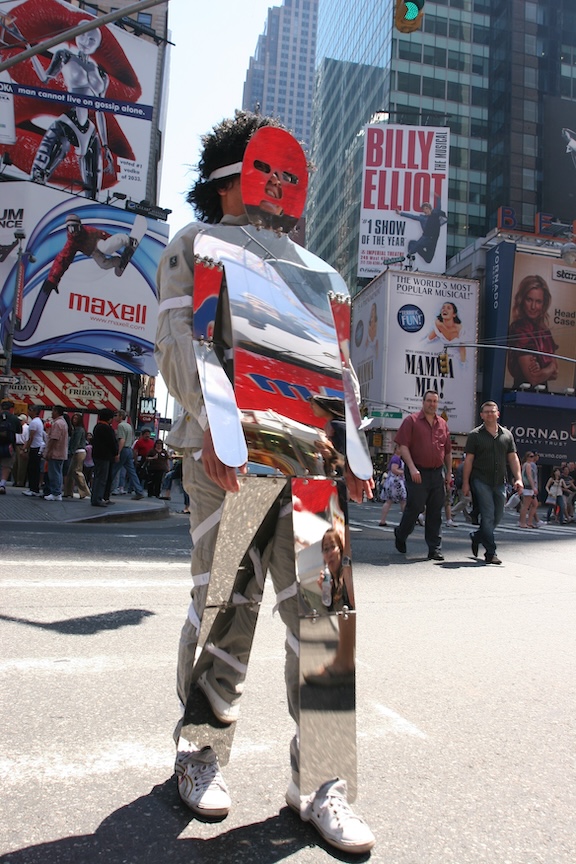
The exhibition also features a multimedia video piece of artist Zhang Zhaohui from 2009 called, “Mirror Man”, which shows a symbolic performance of the artist dressed in a stainless steel mirror suit as he walks through the famous Times Square region of NYC. In his mirror suit, Zhaohui traverses the neon lit urban landscape of New York City, appearing almost robotic or otherworldly. His mirrored body surface captured and distorted the interplay of lights and shadows from the surrounding urban environment, transforming the cityscape into an immersive optical experience. His daring performative exploration prompted Zhaohui to reflect on his artistic practice in why light remained absent in the millennia-old tradition of Chinese ink painting. He pondered on whether light, as a core element, can redefine the visual language of ink art and situate it within the framework of contemporary artistic discourse.
Historically, the theoretical and practical foundations of classical Chinese painting have shaped a distinctive aesthetic system in ink art, fundamentally differing in its optical approach from Western painting traditions. While Western painting relies on chiaroscuro, linear perspective, and color theory to construct three-dimensional forms, ink painting orchestrates dimension and perspective through tonal variations of ink and water, spatial voids, and expressive brushwork to evoke poetic imagery—rendering light an implicit and elusive presence.
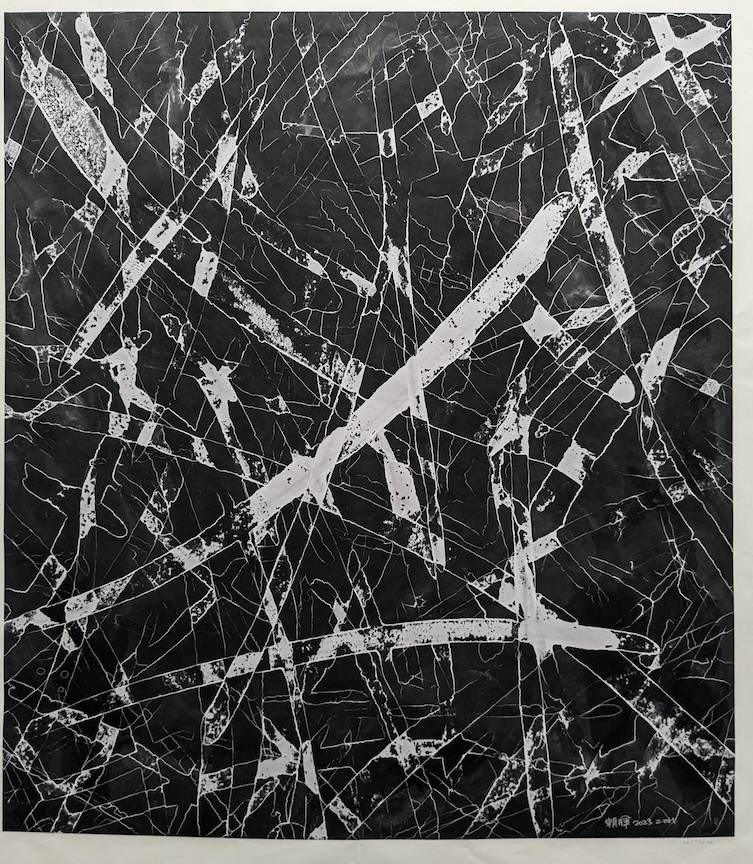
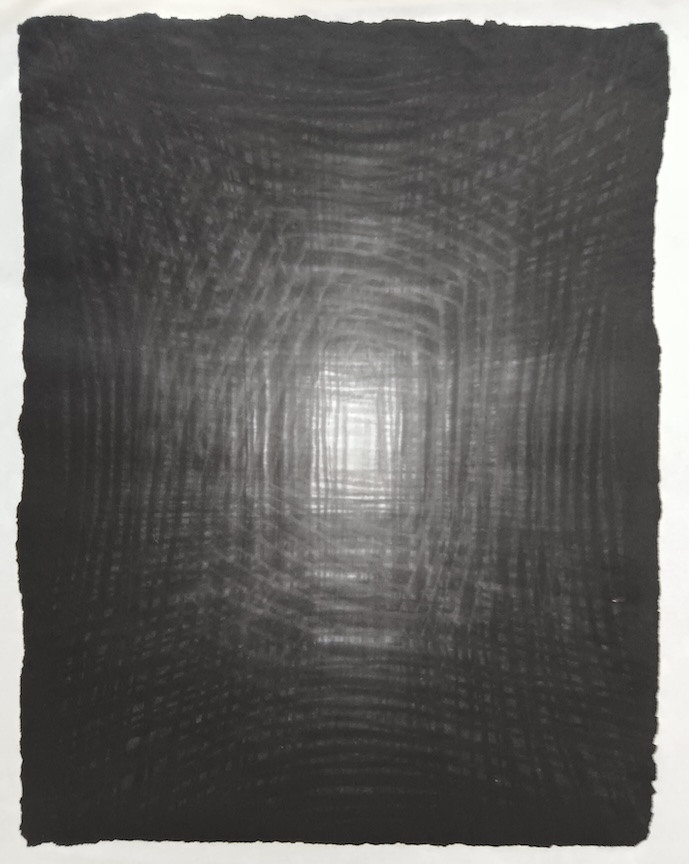
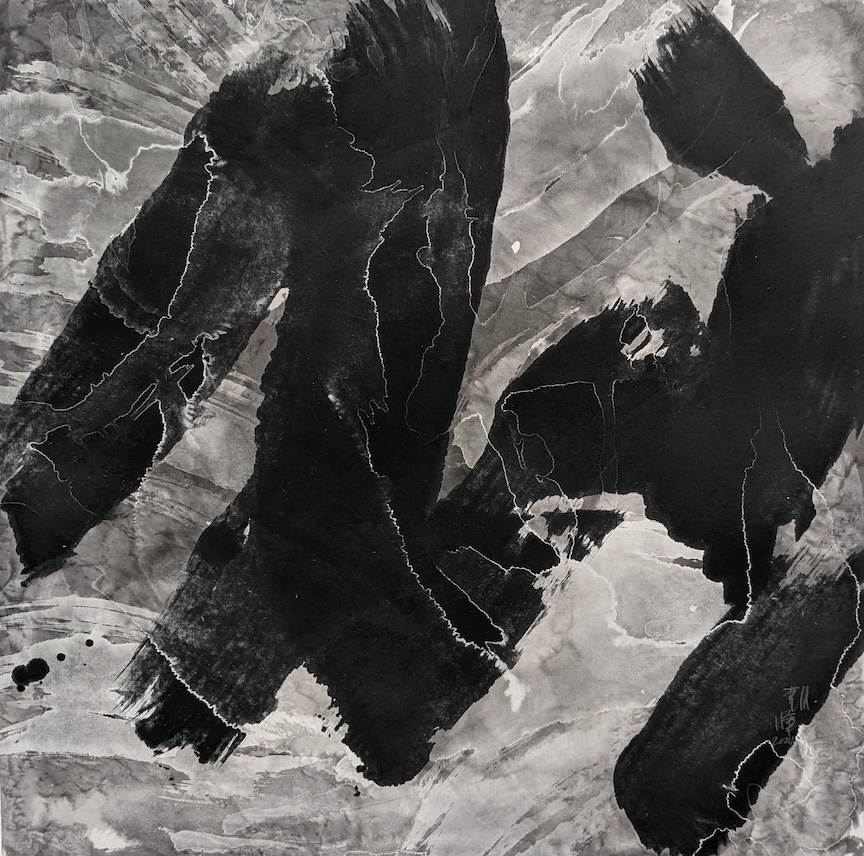
A significant portion of the works in artist Zhang Zhaohui “The Light of Ink” solo exhibition was created during the global Coronavirus pandemic in 2020, during a period when Zhang Zhaohui was residing in the forests of Massachusetts, a time when he engaged in a profound period of reflection about nature, existence, and spirituality. During this period of retreat, Zhaohui realized that light is not merely a physical phenomenon but a symbol of cosmic and life energy imbued with sacred significance in different cultural contexts, and an essential dimension of artistic language. His realization prompted him to experiment with the incorporation of color with his ink paintings, allowing him to utilize more abstract and luminous chromatic compositions as an homage to nature.
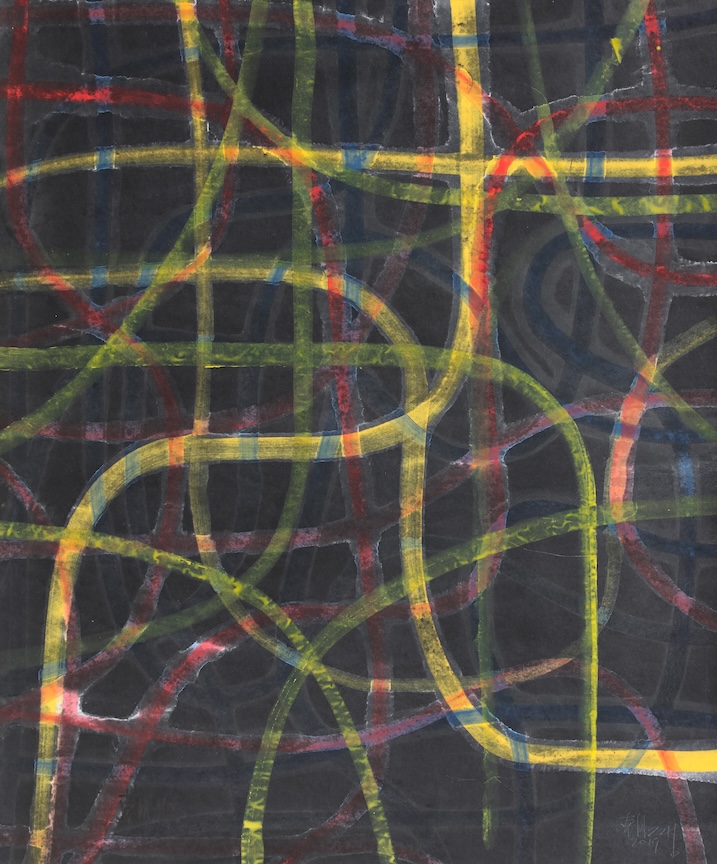
In his colored ink artworks, Zhaohui is no longer confined to calligraphic ink brushstrokes but striving for an optical dimension within a spatial structure. By layering intersecting grids, linear accumulations, and ink permeations—Zhaohui succeeds in creating a dynamic interplay of light and shadow on xuan paper. His subtle gradations of gray and structured linear compositions evoke an illusory depth, while the interplay of ink layering, paper absorbency, and fluid brushwork enable light to oscillate dynamically between black and white.
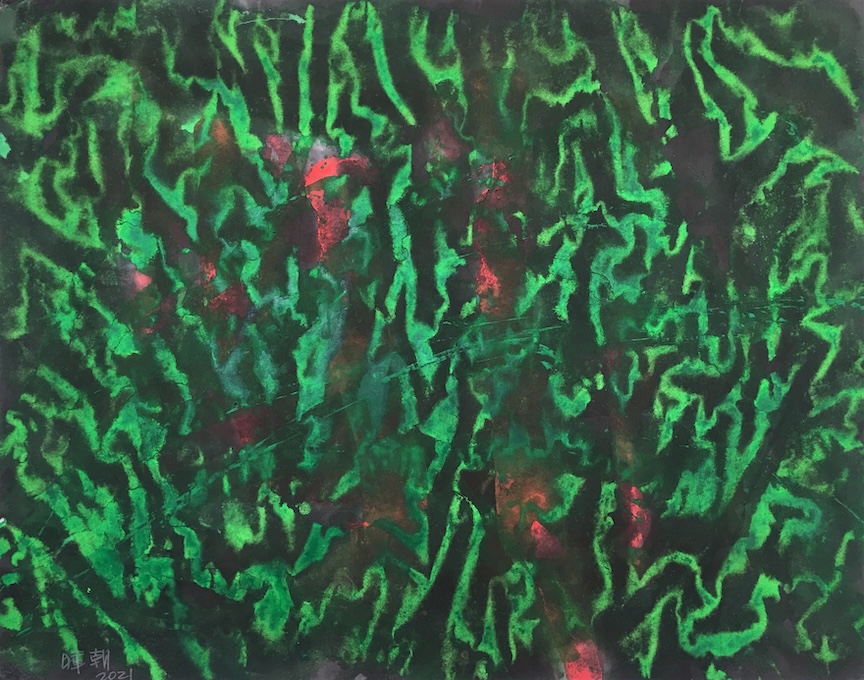
Artist Zhaohui’s works are rooted in extensive academic inquiry imbuing his diverse artistic experiences while being deeply informed by traditional Chinese artistic heritage. The intersection of Zhaohui’s artistic evolution and personal journey translates to his ink paintings with a profound emotional depth and stylistic identity. His works embody the fusion of cultural exchange and artistic experimentation, initiating a binary dialogue between light and dark, tradition and modernity, the East and West.
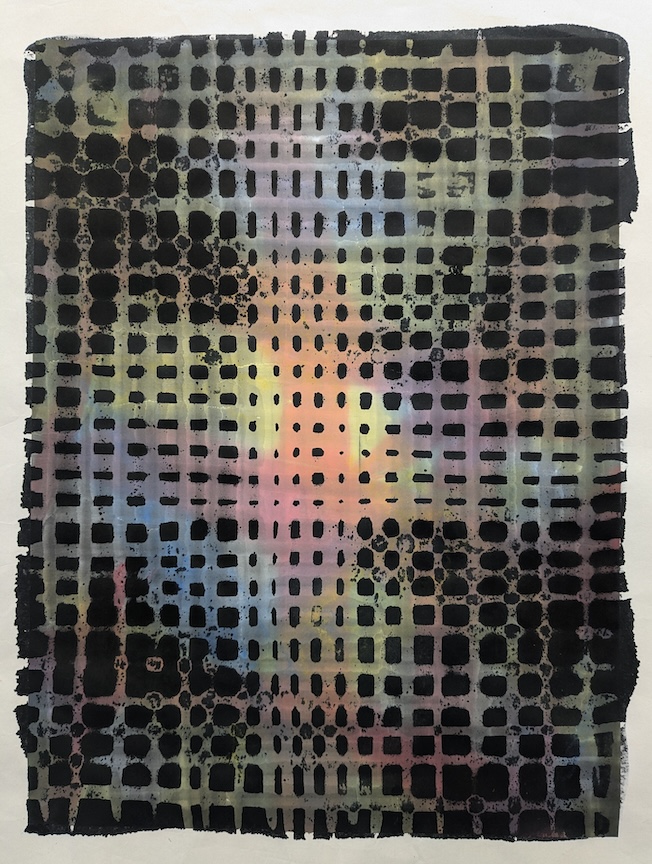
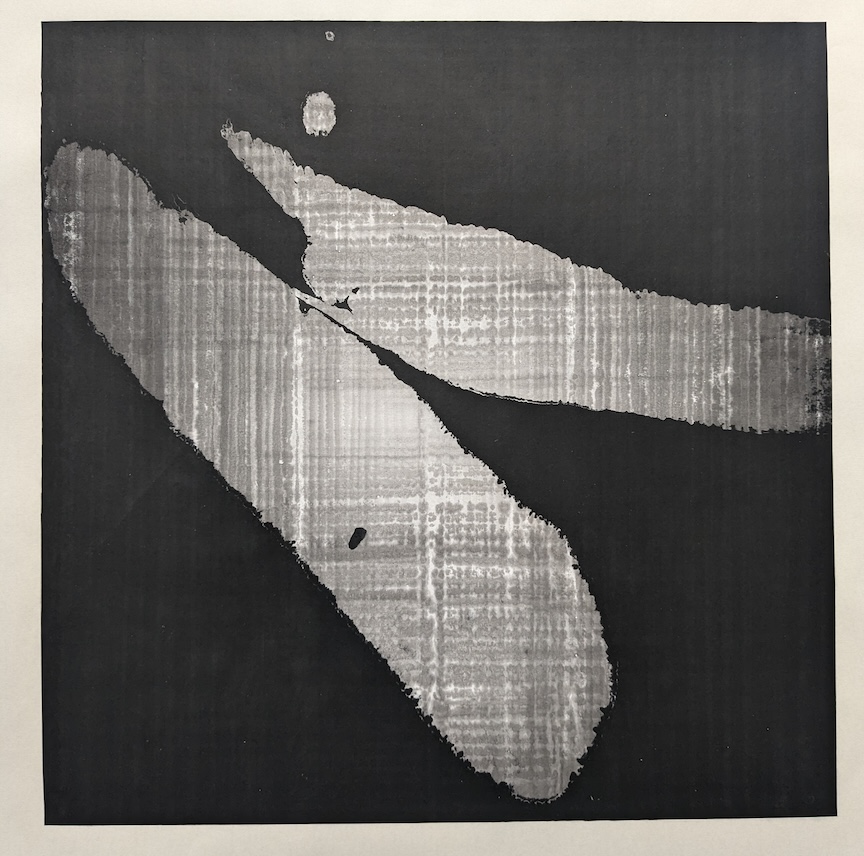
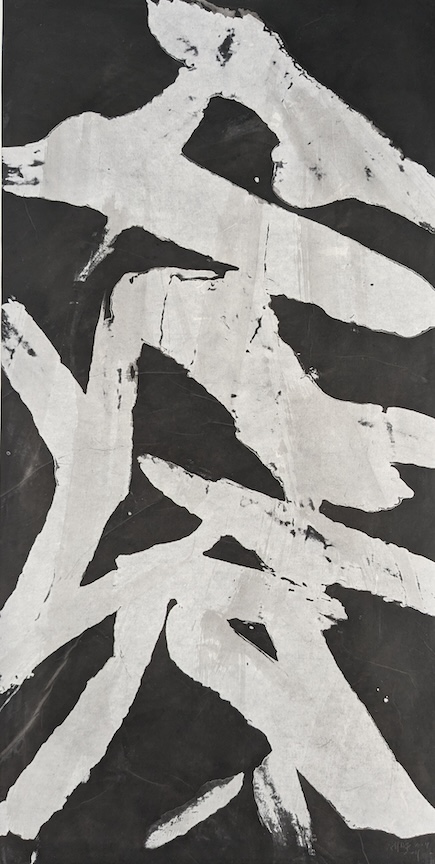
“The Light of Ink” exhibition at Crossing Art unveils Zhang Zhaohui’s innovative exploration of ink and light, inviting viewers to reconsider the traditional boundaries of ink painting in the context of contemporary global art. Through a masterful blend of spatial optics, material experimentation, and cross-cultural dialogue, Zhang transforms the ancient medium into a dynamic, evolving conversation that challenges perception and sparks new ways of thinking about the intersection of tradition and modernity.
 hilitehead
elaborate?