
Year of spiritual awakening and successive art fair hopping lets go!! This month I went to see INDEPENDENT 20th Century, The Armory Show, Art on Paper and the Affordable Art Fair. Here are some standout artists I came across.
Independent 20th Century fair links the past to the present moment in contemporary art bringing together internationally recognized and lesser known artists and narratives to redefine the canon of 20th-century art. The fair premiered in 2022 to champion artists and international avant-garde movements between 1900 and 2000. The fair featured a diverse range of approximately 65 artists, encompassing solo presentations surveying the development of an artist’s practice, women artists throughout the 20th century, Black and Indigenous artists from the Americas and beyond, and work from the 1990s.
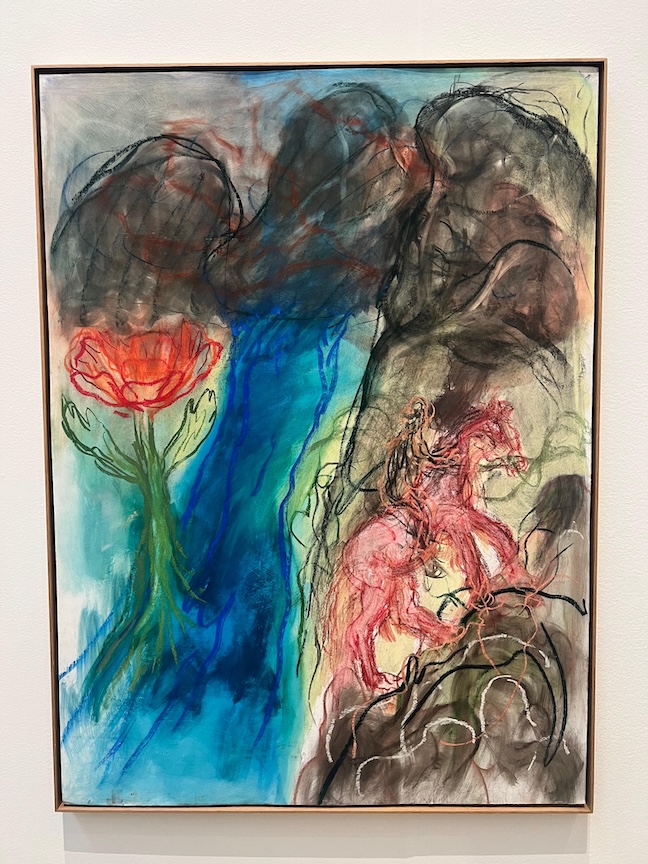
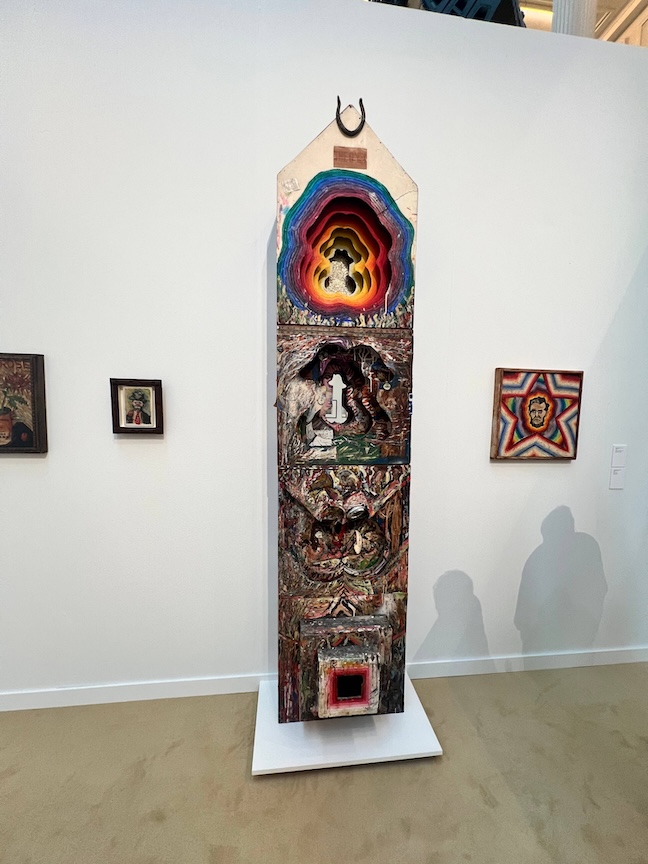
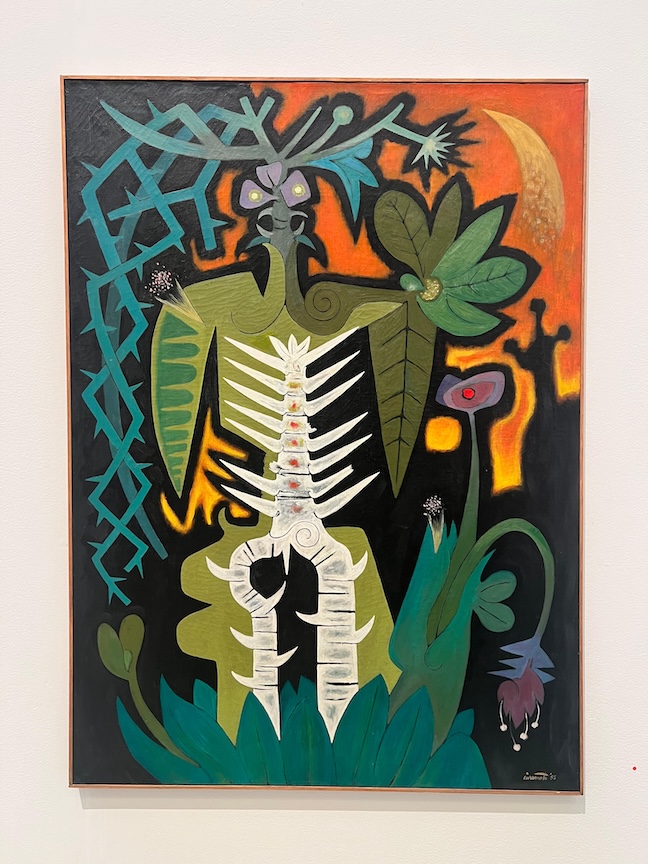
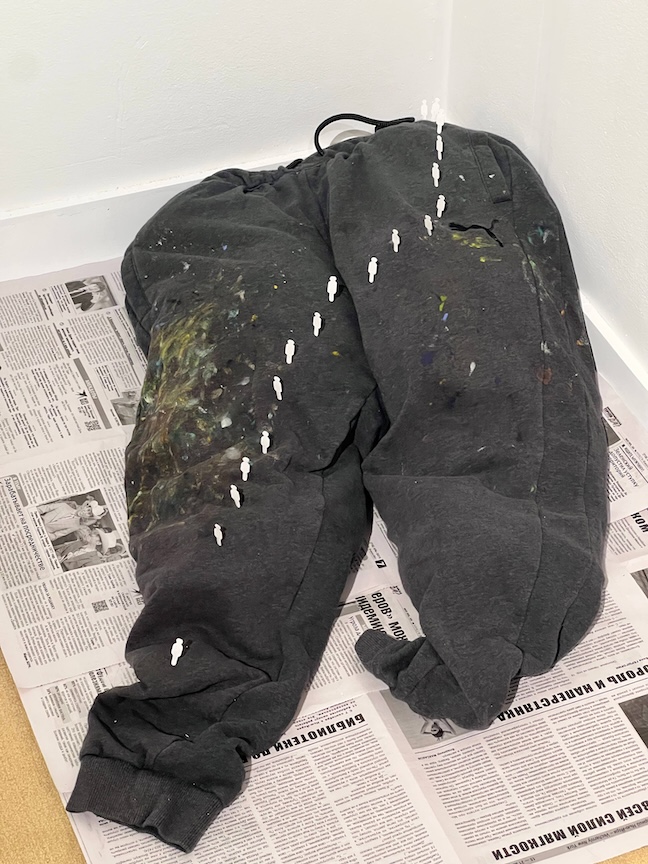
The Armory Show 2025, now celebrating its 30th edition, felt less like a dramatic reinvention and more like a careful recalibration of the art market at crossroads nudging towards something different. The fair brought over 200 galleries with notable additions like White Cube’s return, a new Function sector bridging art and design and a focus on artists from the American South. There was an underlying tension between commerce and experimentation, many booths played it safe but sparks of discovery and dialogue lingered in the margins. While much of Javits still carries the familiar rhythm of booths jockeying for attention I am anchored by the artists whose works demand deeper looking. This year, four voices lingered with me long after leaving the fair.
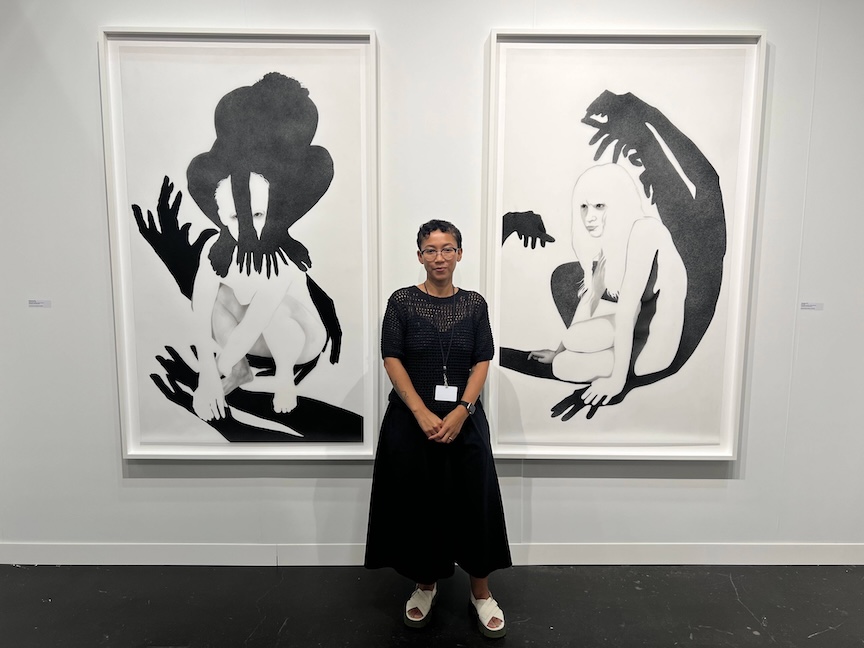
One of the most resonant moments was encountering Samantha Yun Wall with Timothy Hawkinson Gallery. I have been a big admirer of Samantha since undergrad. I always found her to be a master of space, tension and contrast. Her ink-on-clayboard drawings carve out an ambiguous space between visibility and erasure, inviting you to linger in the shifting terrain of multiracial identity, memory and ritual. Rooted in Korean mythology and personal loss, her imagery diagonal arms stretched in tension, bodies etched into dark voids, figures that hover between embrace and distance carrying a haunting quietness.
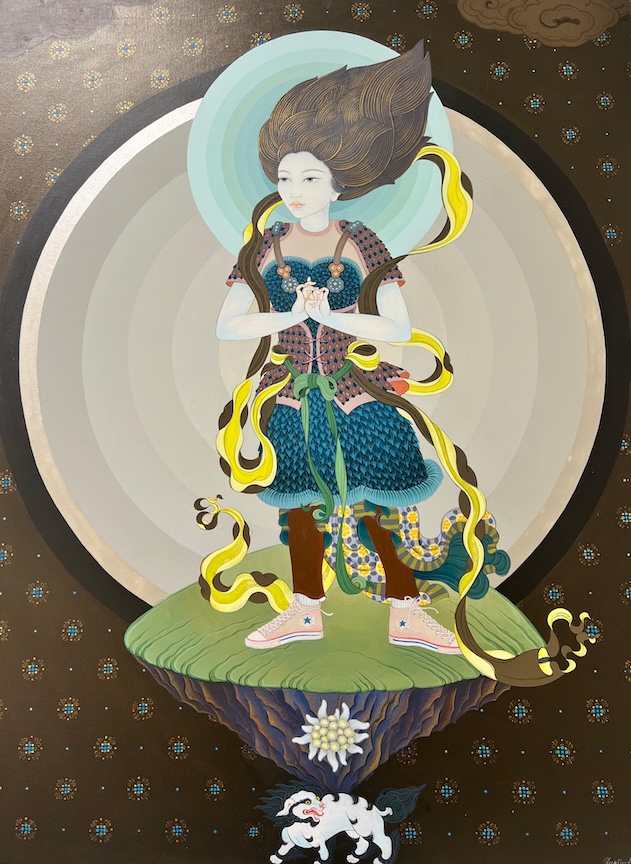
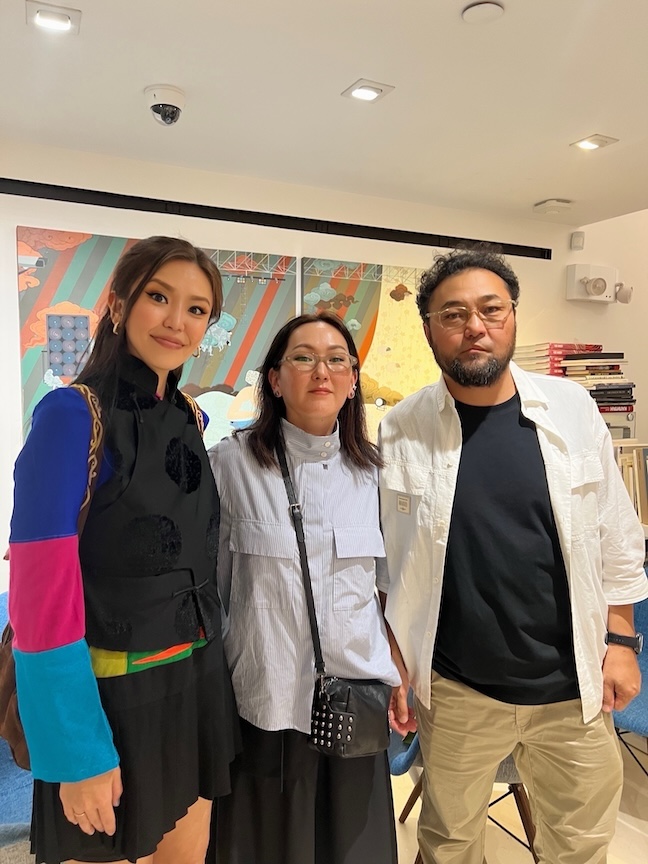
Another standout artist was Uuriintuya Dagvasambuu with Sapar Contemporary. Seeing her work at The Armory Show was a moment of deep pride. As a fellow Mongolian who’s long admired her practice, it was exhilarating to witness her become the first Mongolian artist featured at the fair. Her Mongol Zurag paintings seamlessly blend traditional and contemporary iconography capturing the evolving cultural landscape of post-nomadic Mongolia. Figures busy with modern life, city scenes, women listening to music, everyday domestic scenes framed by ornate decorative borders, Buddhist motifs and folk patterns. Uurintuya’s paintings have both a playfulness and spiritual weight. Uurintuya’s works not only honors her heritage but also asserts a vibrant contemporary Mongolian voice on a global stage.
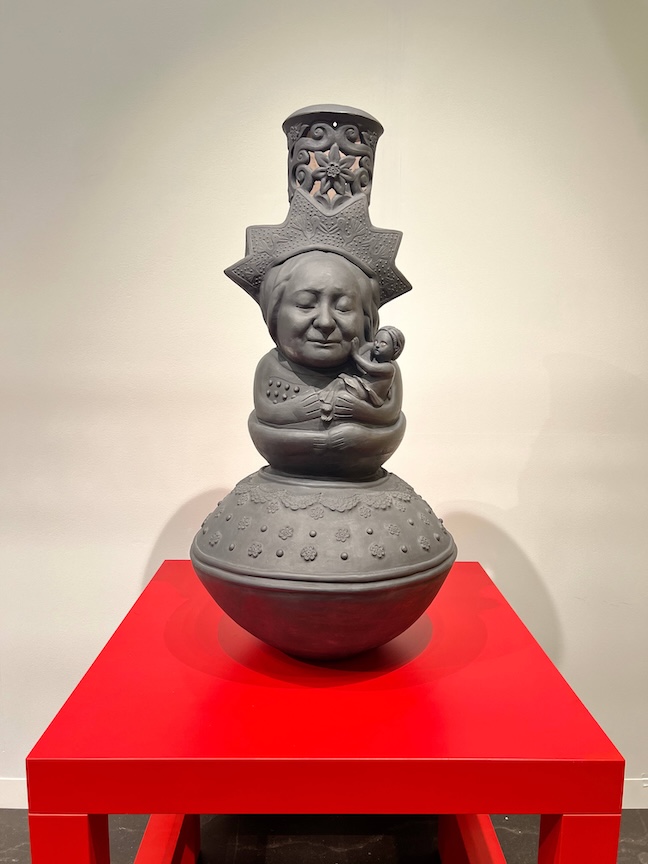
Peruvian born Kukuli Velarde electrified RoFa Projects’ booth with an unflinching anti-colonial force. Through ceramics and reimagined self-portraits, she exposes the violence of the Spanish conquest while insisting on Indigenous survival. Golden walls recall pillaged Peruvian gold, turning the space into a shrine of mourning and defiance. Her figures—infantile, beheaded, painfully alive, oscillate between rage, grief and resilience.
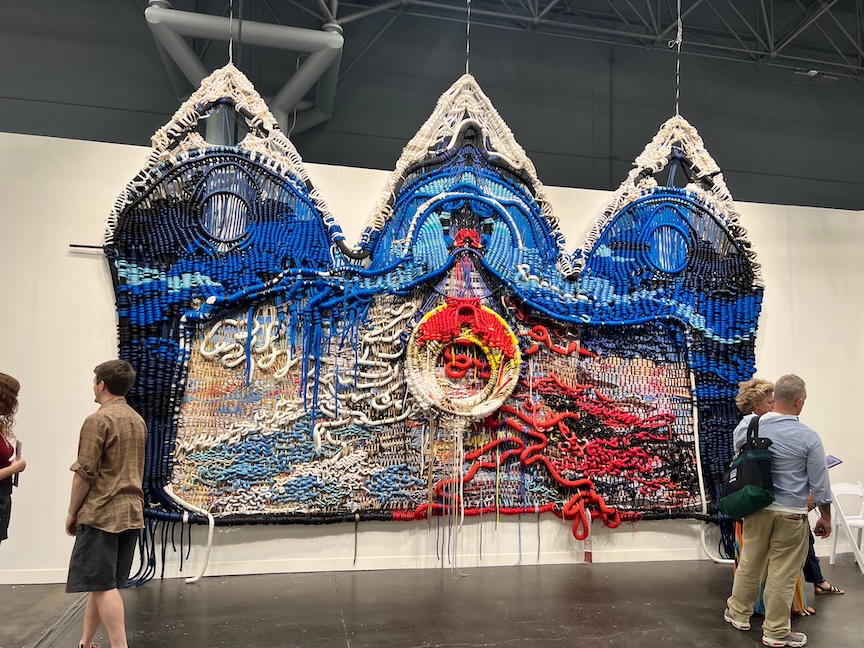
At SECRIST | BEACH’s booth, Jacqueline Surdell commanded attention with her monumental woven tapestry Suddenly She Was Hell-Bent and Ravenous (after Giotto). Composed of knotted rope, torn textiles and fragments of art historical imagery – the 14-foot piece rewrites the canon through labor, rupture and reclamation. Her work is physically overwhelming yet tender in its materiality demanding the viewer to slow down and witness. Surdell’s tapestry stood apart with its unflinching insistence on power, history and the body as always intertwined.
I found Art on Paper and The Affordable Art Fair surprisingly repetitive this year. Many booths relied on safe, familiar formulas, and there were very few artists or works that challenged the eye or offered something truly fresh, making the fairs feel flat overall.
 hilitehead
elaborate?