
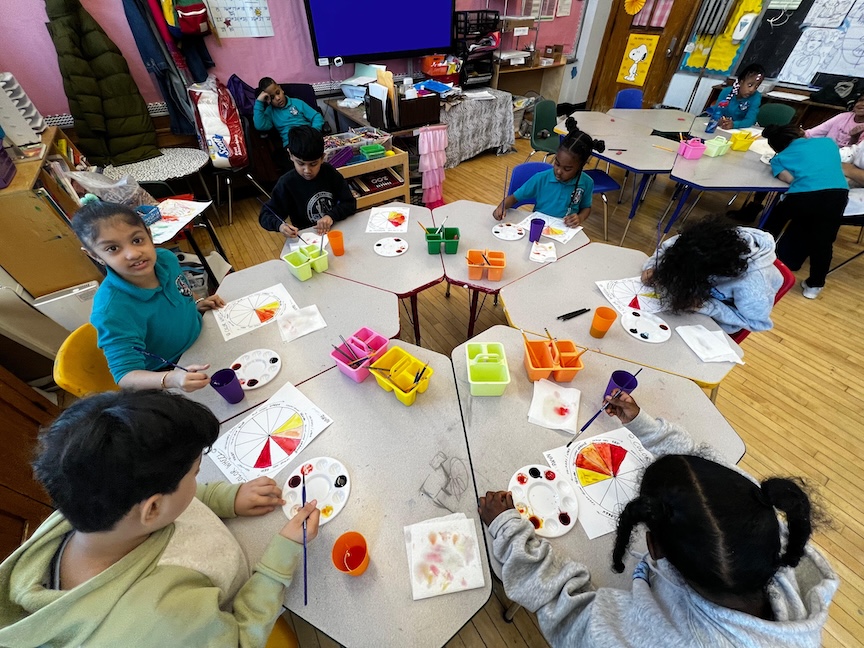
In March, I began a contracted position as a Teaching Artist at Scribble Art Workshop, paired with PS140Q to lead a multi-week visual arts program for students grades K-5. This period has offered a clear view into both the possibilities and the structural limitations of outsourced arts education within the New York City public school system.
Programs like Scribble operate within a broader ecosystem shaped by chronic underfunding of the arts in public schools. External organizations are contracted to fill gaps, often delivering short term residencies that are expected to produce meaningful outcomes within a limited timeframe. While this model creates access, it also places significant pressure on teaching artists to adapt quickly, manage large groups and establish continuity without long term integration into the school’s curriculum.
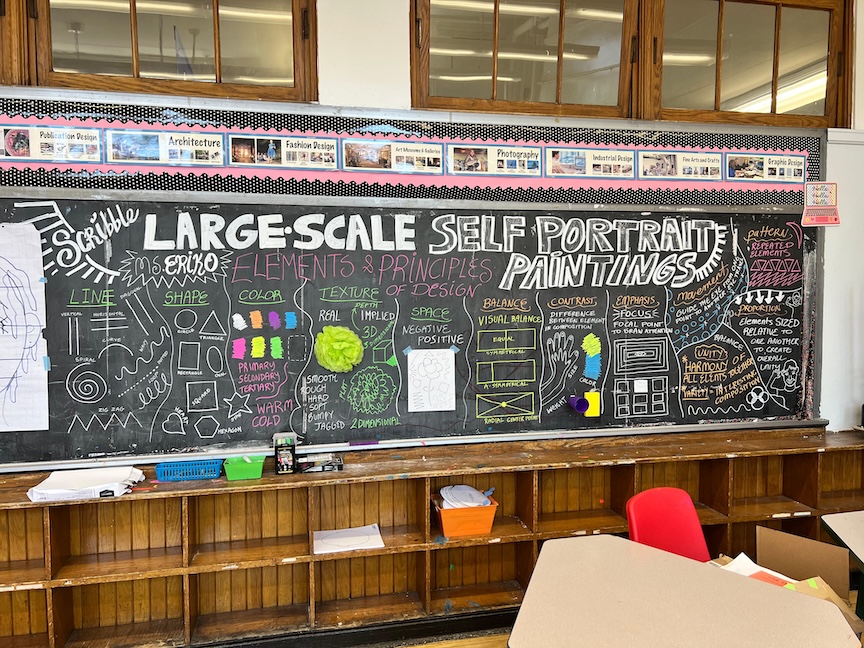
My assigned site, PS140Q known as The Edward K. Ellington Magnet School for Science, Technology and Arts reflects many of the realities of the system. Classrooms are active, diverse and often stretched in terms of resources. Students range widely in developmental levels, attention capacities and prior exposure to art instruction. Teaching in this environment requires not only technical clarity but also an applied understanding of child development, behavioral dynamics and classroom management.
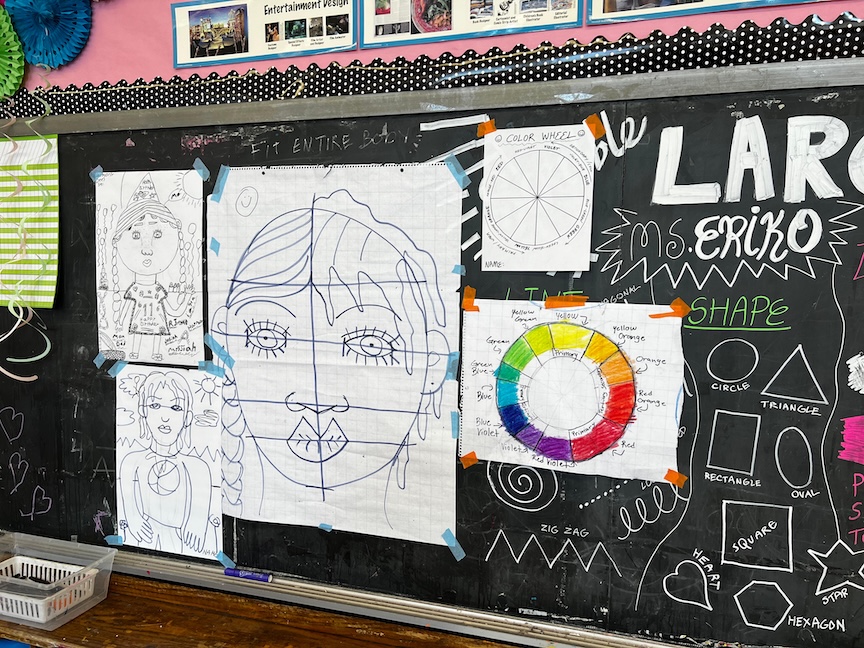
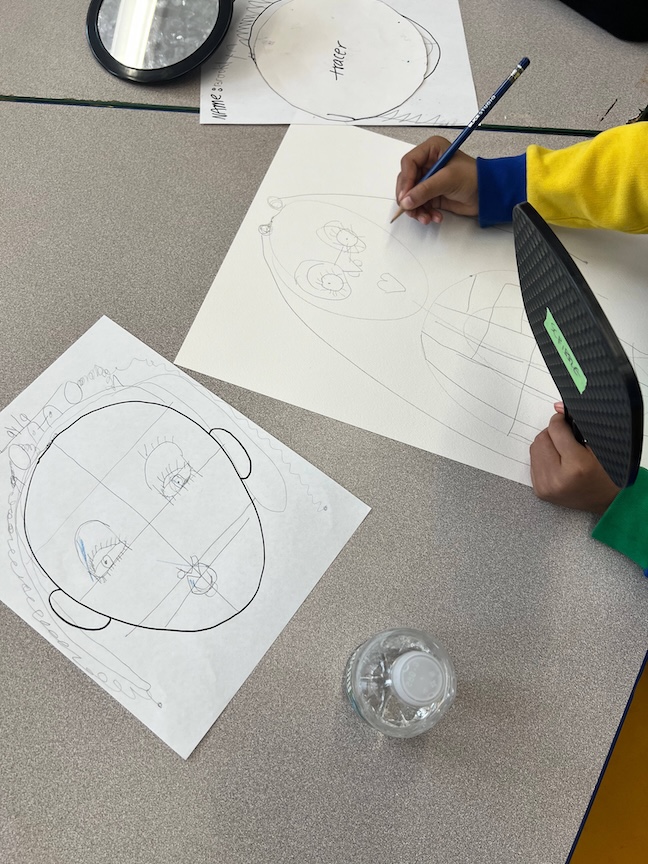
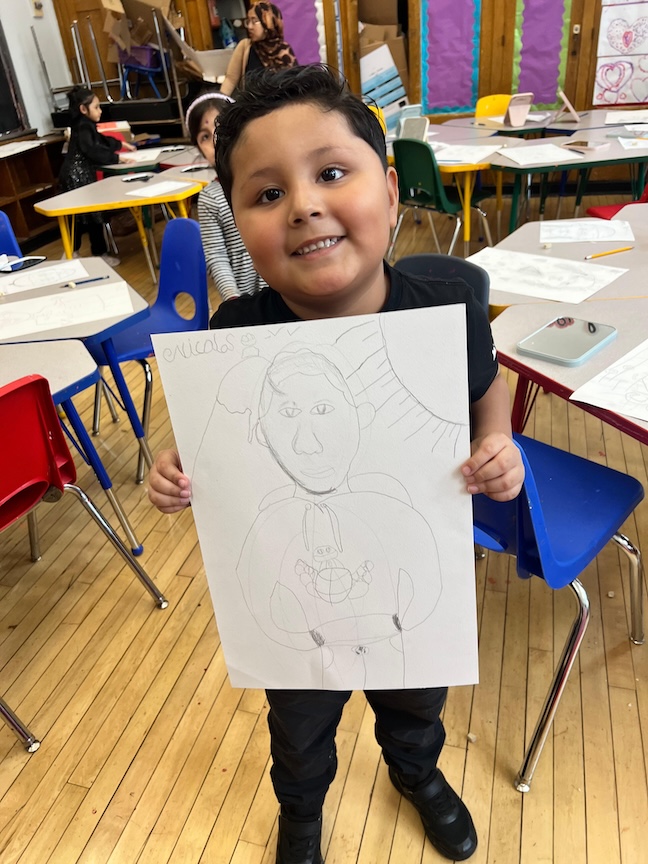
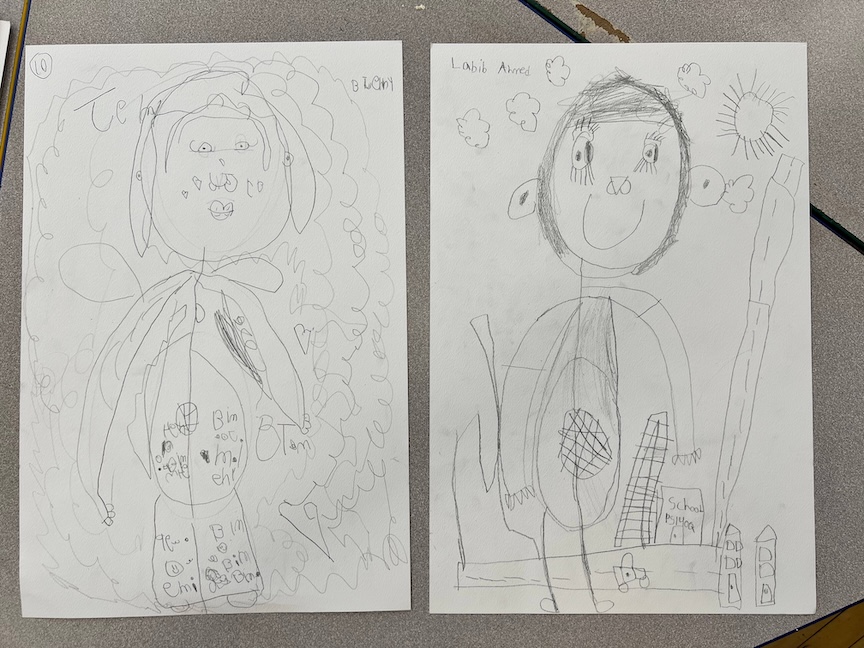
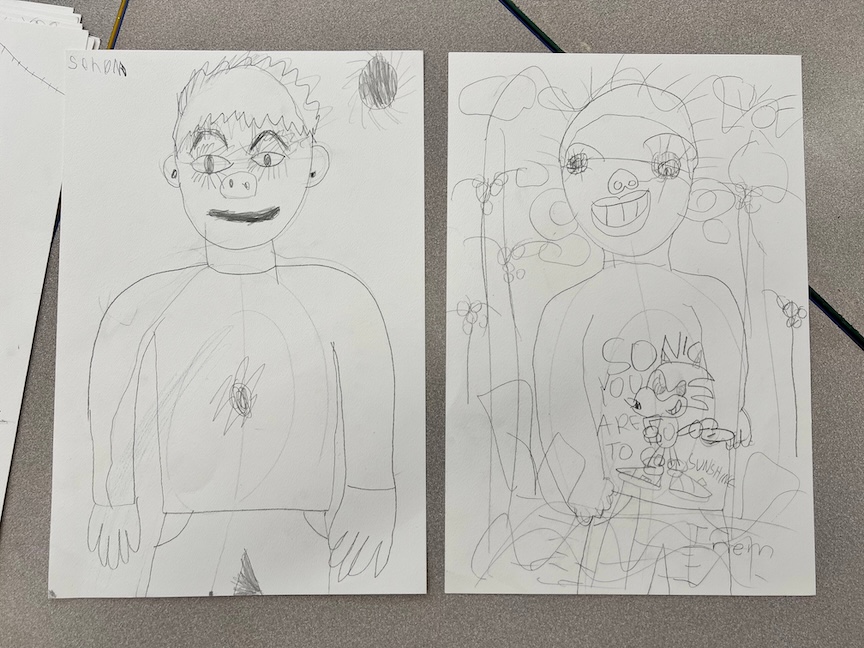
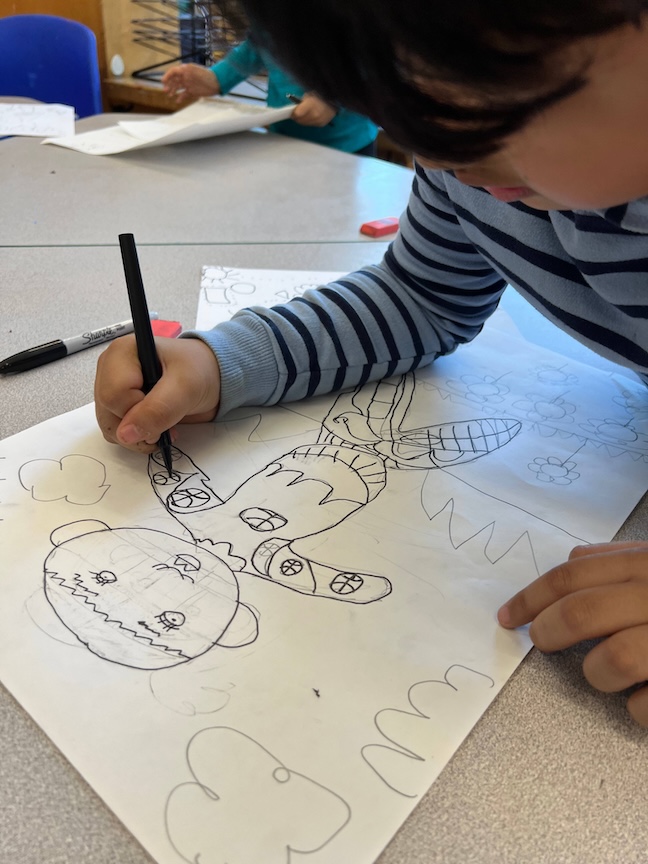
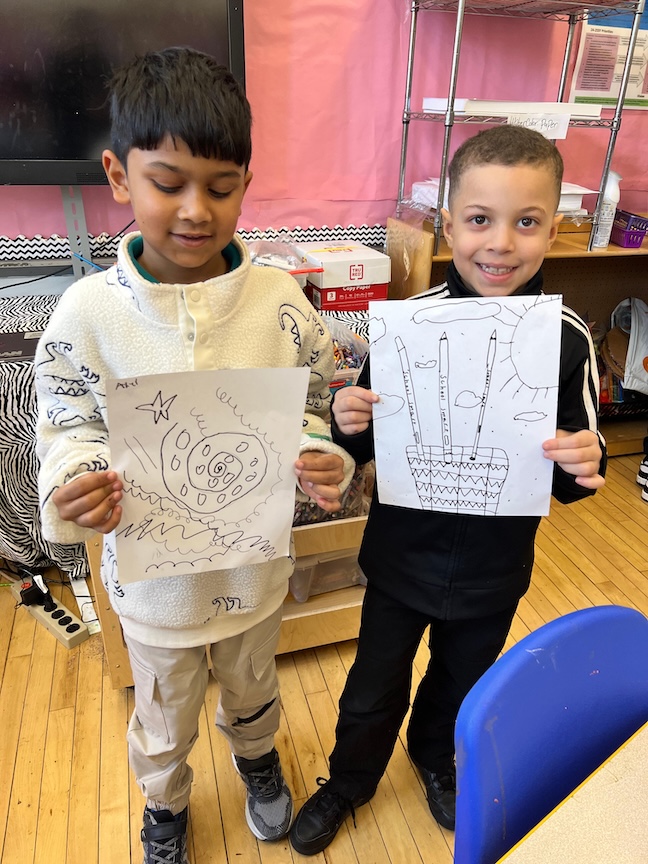
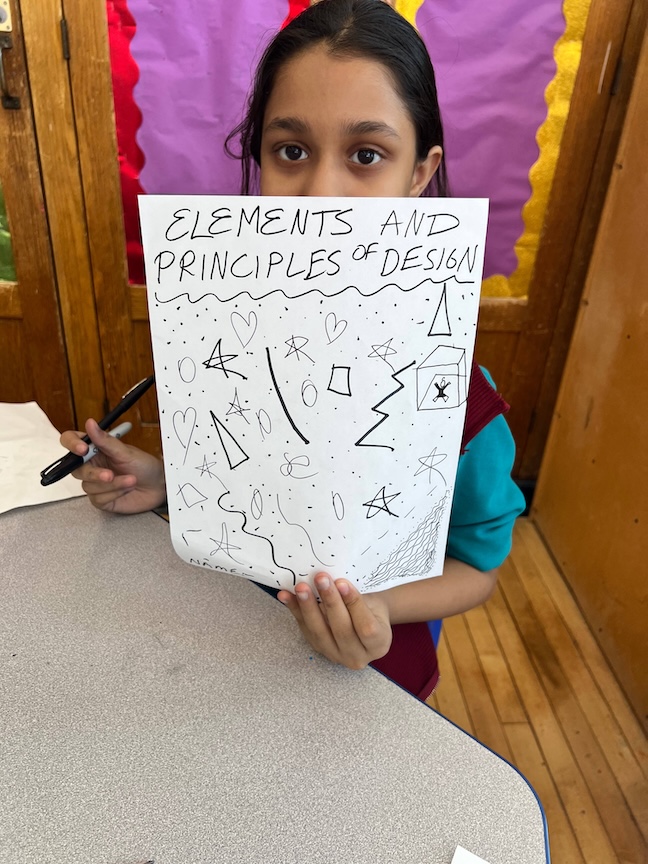
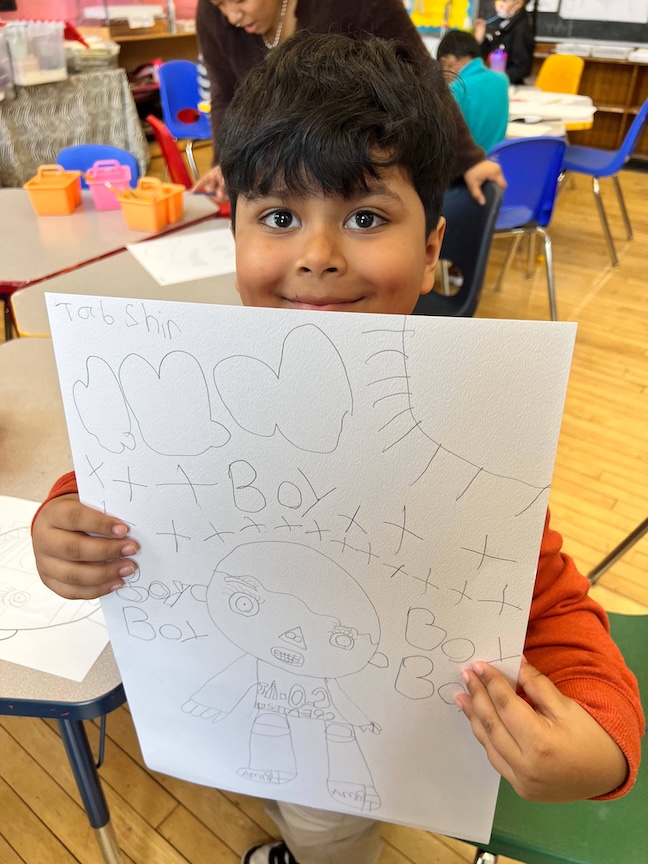
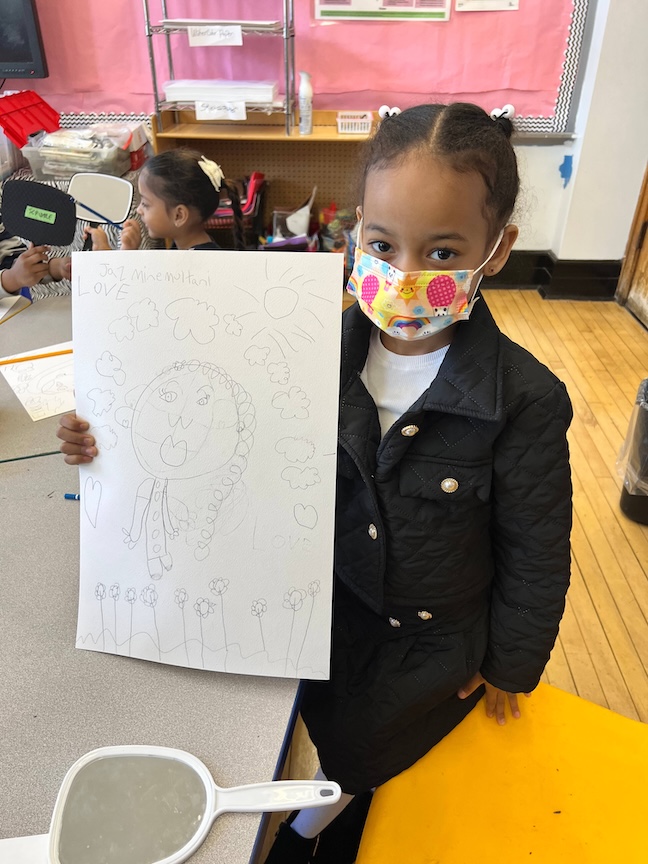
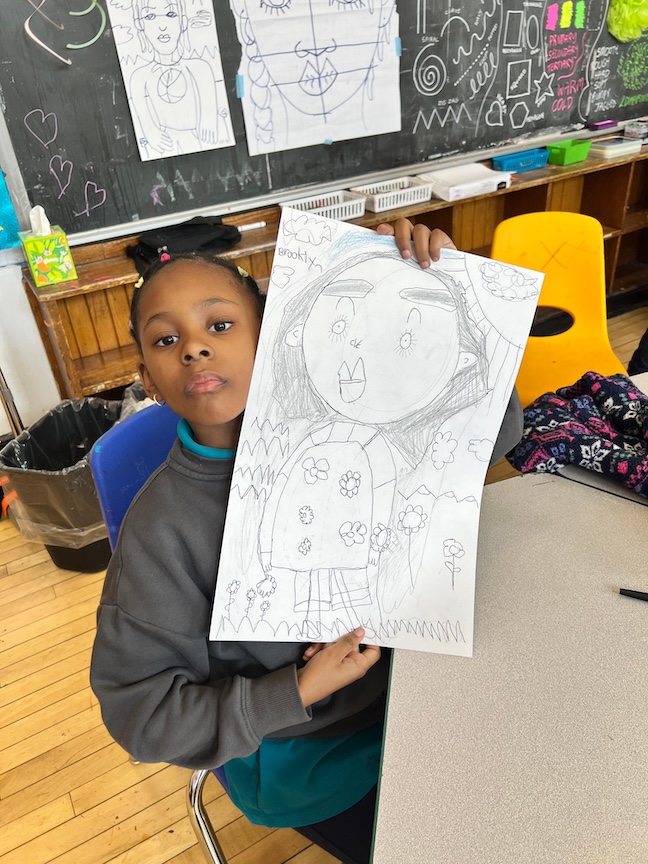
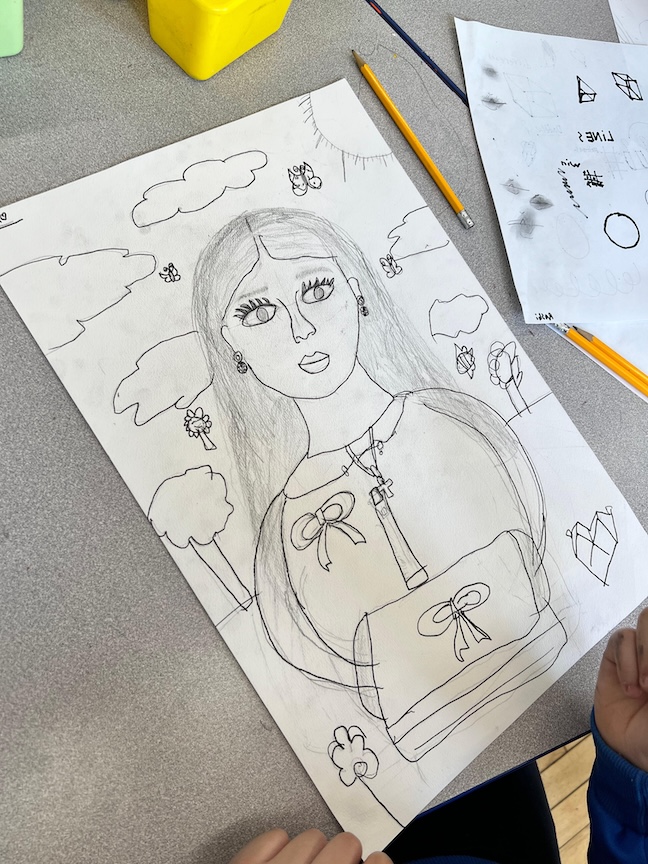
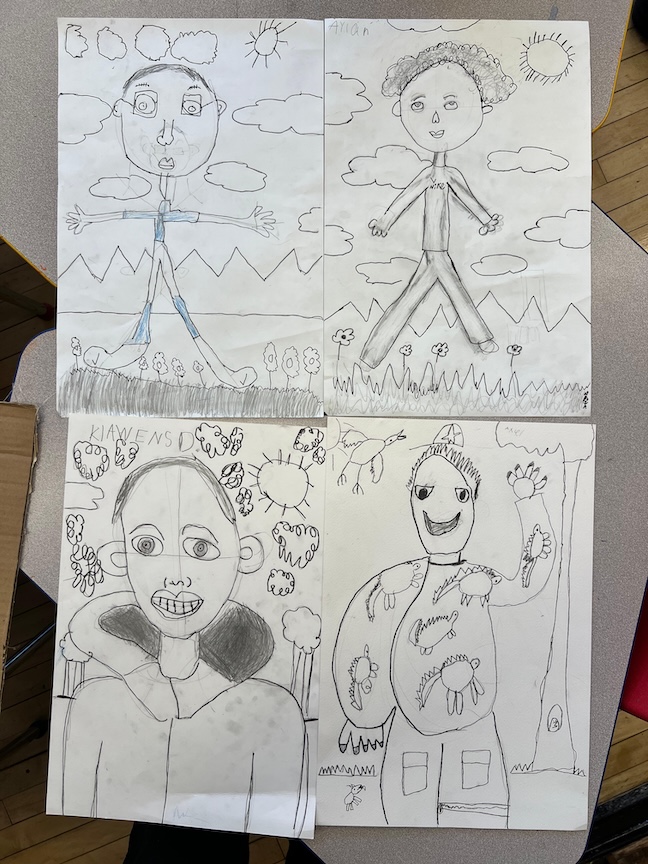
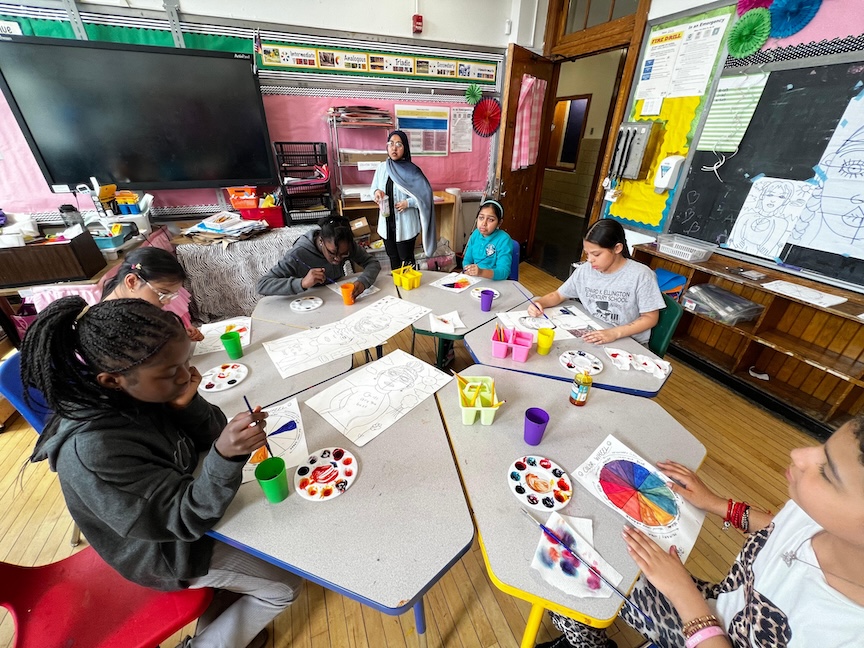
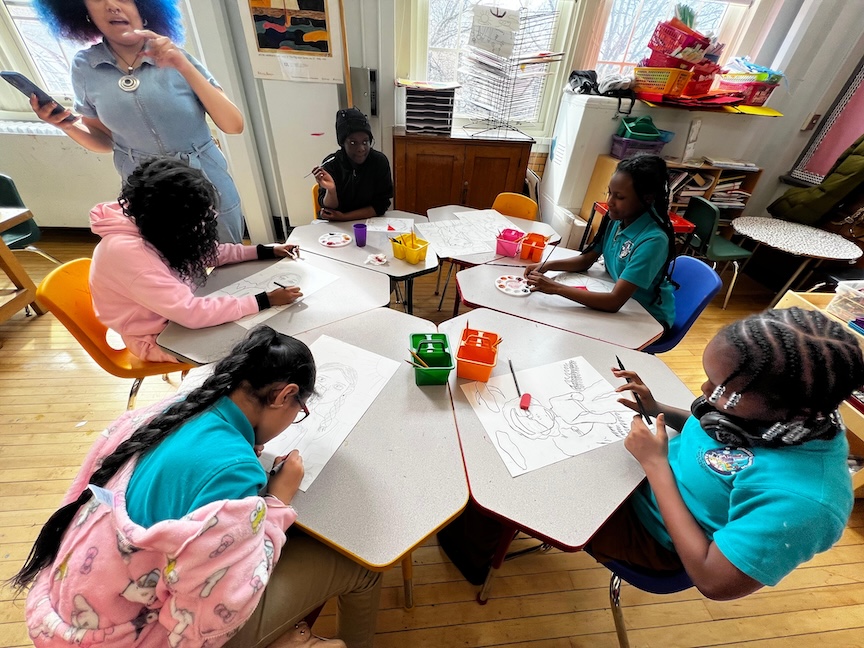
Within this setting, I implemented Scribble’s Large Scale Self Portrait Drawing and Painting curriculum structured across three phases: observational drawing, inking and painting with watercolors. Working on large format paper disrupted habitual mark-making and introduced spatial reasoning. Students developed proportion, line control, and color mixing through direct observation using mirrors. The process emphasized decision making, material awareness and sustained attention.
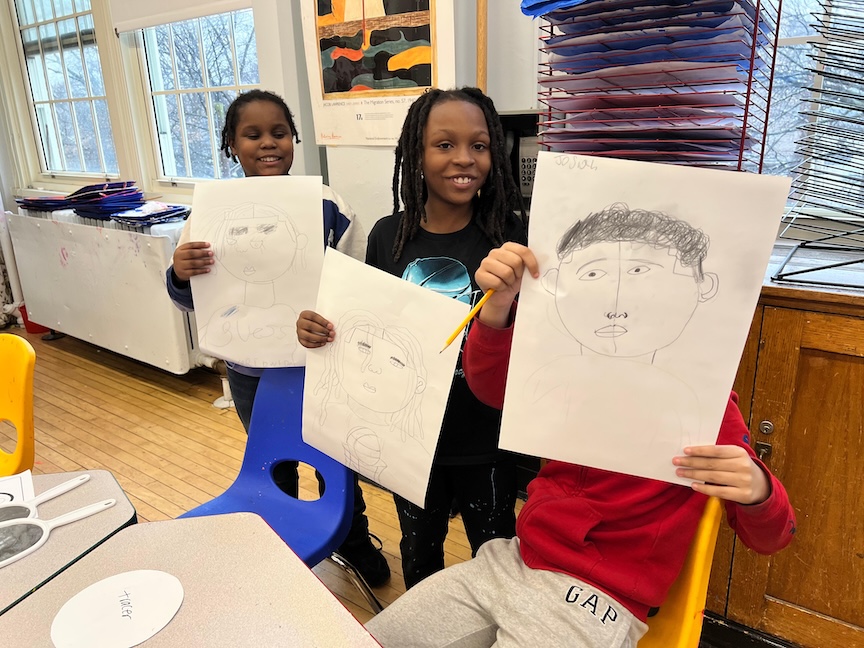
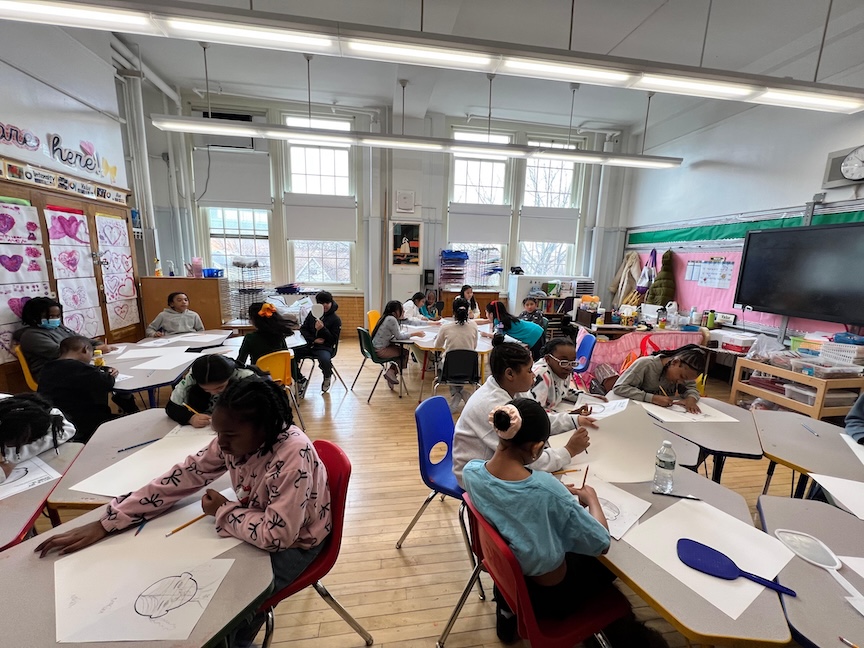
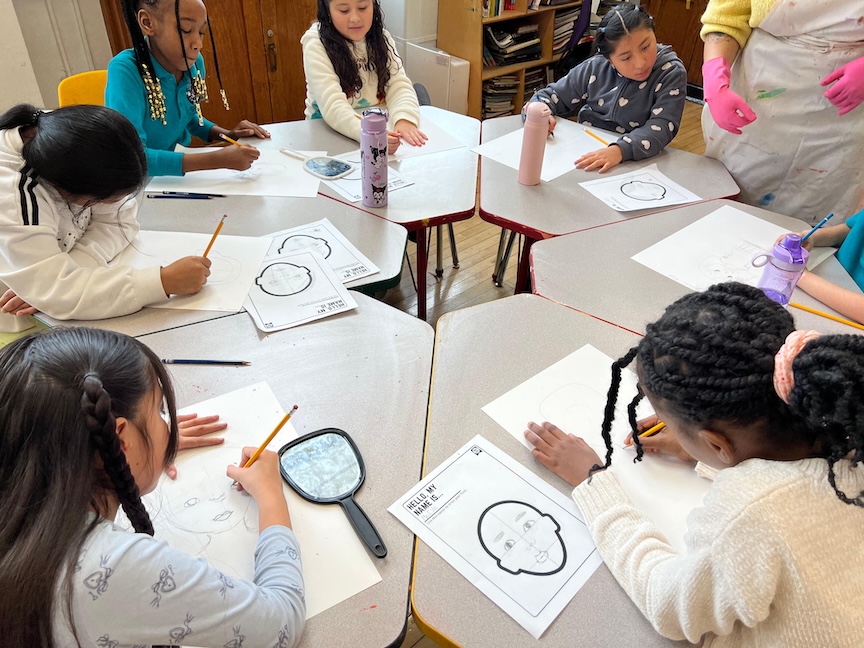
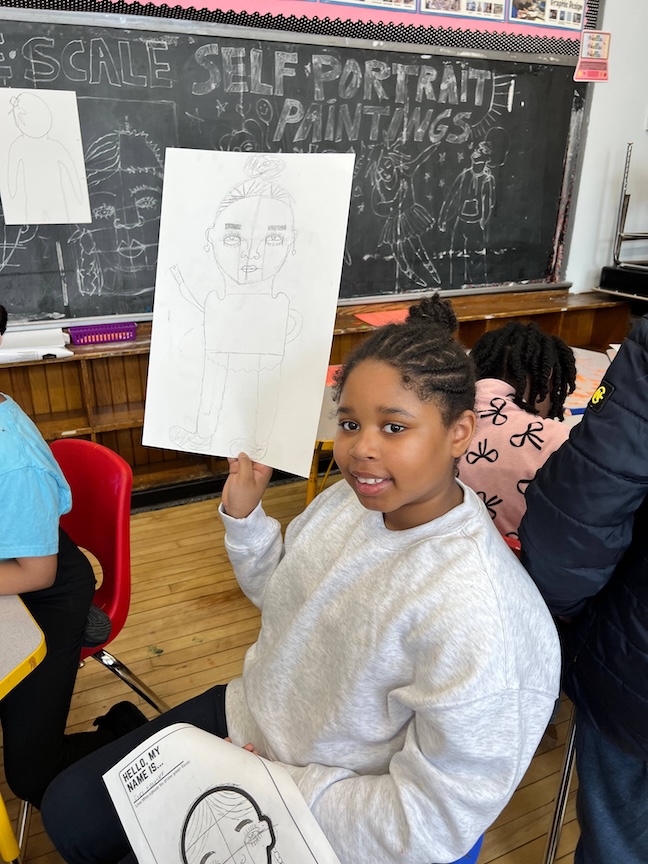
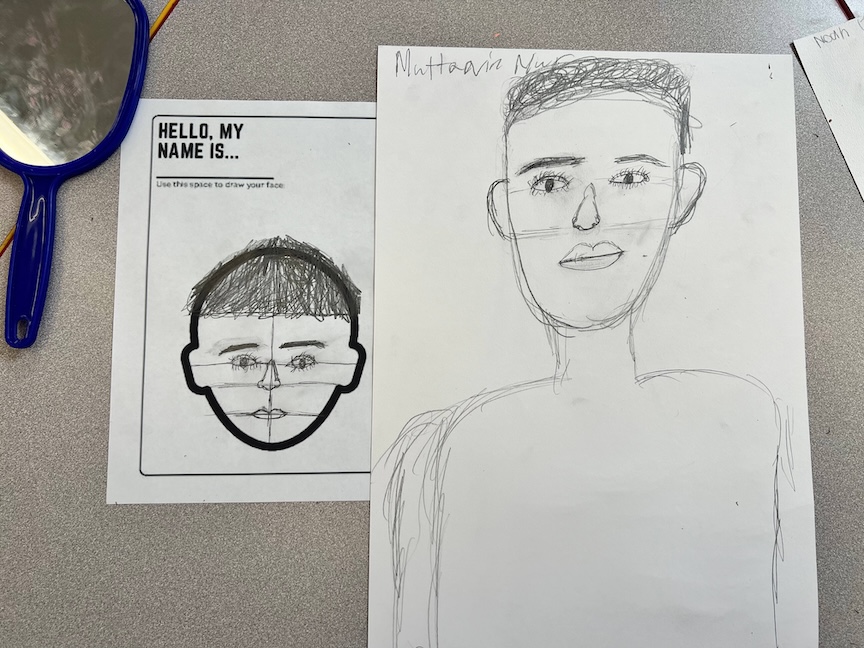
Developmental differences were pronounced. Younger students required scaffolding to maintain focus. Older students demonstrated control yet carried increased self consciousness. By the end of the program, students produced large scale self portraits reflecting both technical progression and individual interpretation.
My ability to deliver this curriculum effectively relied heavily on my prior experience teaching at the collegiate level as well as my ongoing practice as a professional artist. This background allowed me to build structure independently, adjust pacing in real time and maintain a level of rigor that is often difficult to sustain in short term programs. It also meant that much of the pedagogical and logistical framework had to be developed on my own rather than through company support.
While my experience with the students and the school itself has been meaningful, my experience with Scribble Art Workshop as an organization has been complex and, at times, deeply misaligned with the needs of the teaching artists it employs. I was hired quickly following a single virtual interview and onboarded through a series of digital platforms, including Asana and Gusto, with the expectation that I would independently navigate a large volume of written materials, internal documents and instructional videos in a short period of time. This onboarding process was presented as comprehensive yet in practice it lacked the clarity, interaction and responsiveness necessary for effective preparation.
As someone who learns through dialogue and direct exchange, I made multiple attempts to contact members of the internal team with questions related to curriculum, logistics and classroom expectations. These inquiries were frequently redirected back to digital resources, creating a cycle in which the responsibility for understanding complex systems was placed entirely on the individual teacher without sufficient support or engagement from the organization itself. The result was an onboarding experience that felt impersonal and inefficient.
The logistical structure of the placement further complicated the experience. My assigned school required approximately two hours of travel each way by public transportation without compensation for transit time or cost. This level of commute is not sustainable, particularly given the compensation structure, which includes minimal pay for lesson planning and minimum wage for teaching that does not reflect the full scope of responsibilities involved. The geographic pairing of teachers and schools appears to prioritize coverage over practicality, raising broader questions about how placements are determined and whether sufficient consideration is given to the long term viability of the assignments.
A clear disconnect also existed between Scribble’s curriculum materials and classroom realities. The volume of digital frameworks, including “Scribbology,” did not align with available resources or site conditions. Essential materials were often missing requiring improvisation. In contrast, on-site support proved essential. Ms. Angelica Berrios, art teacher at PS140Q, provided continuity, material resources and practical insight not present within Scribble’s remote structure, underscoring the critical importance of in-person collaboration.
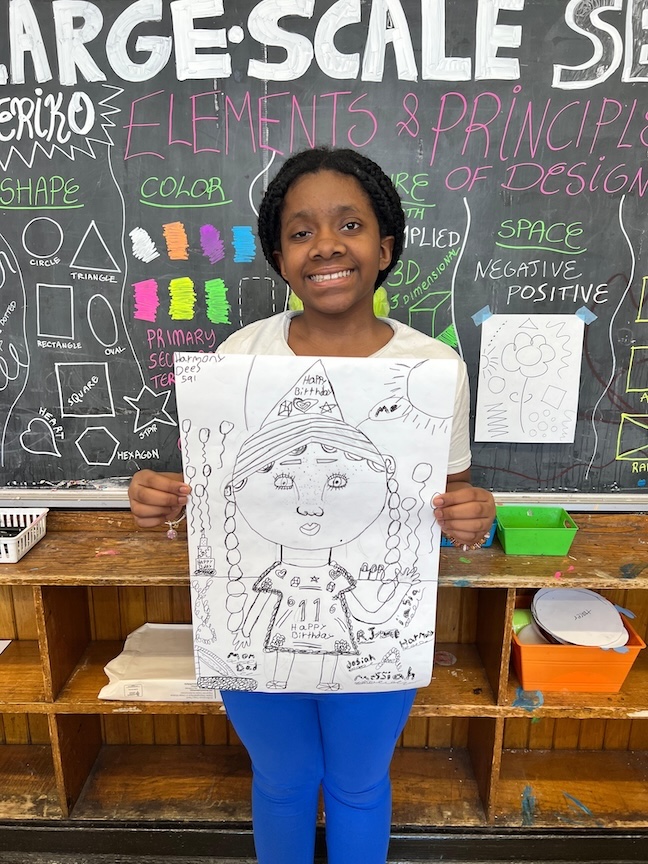
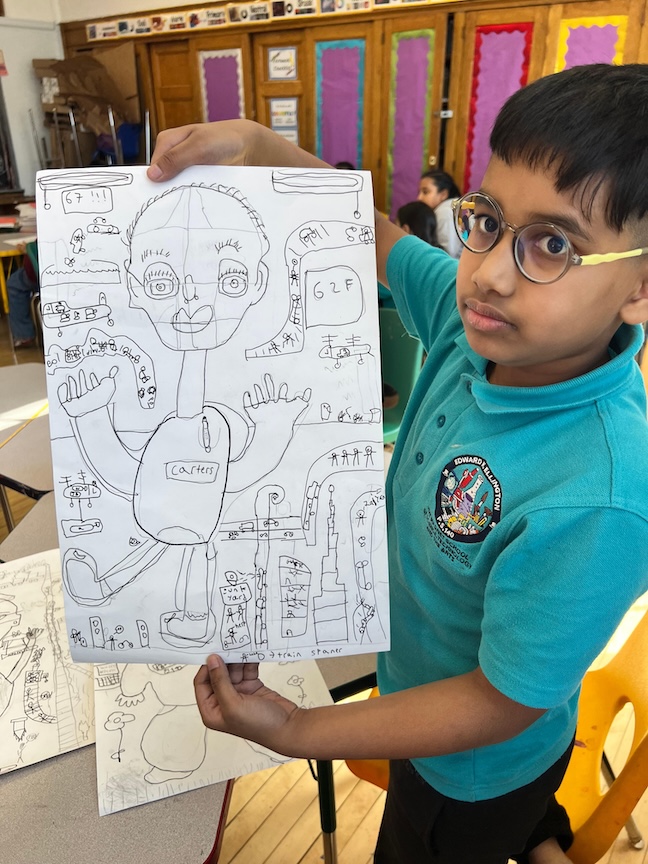
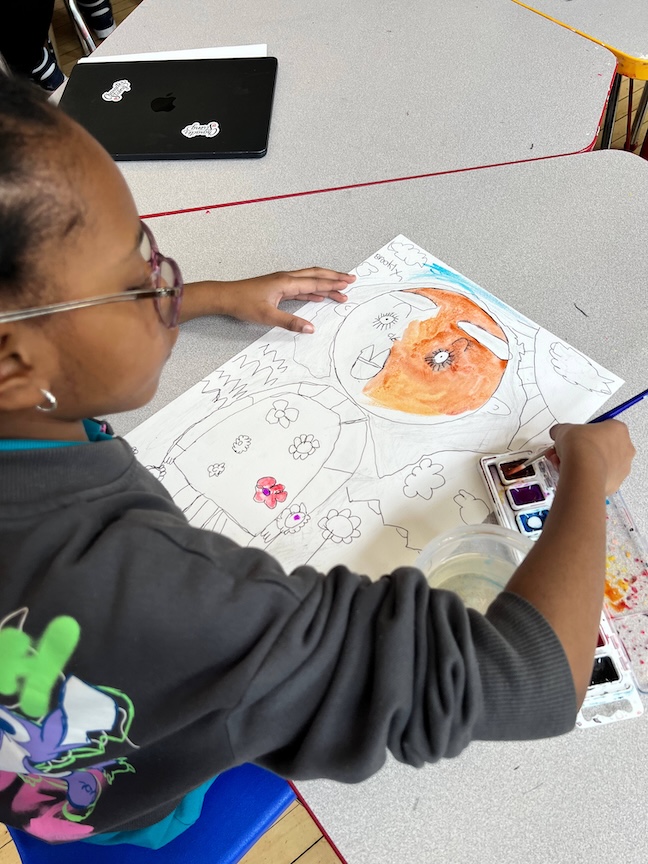
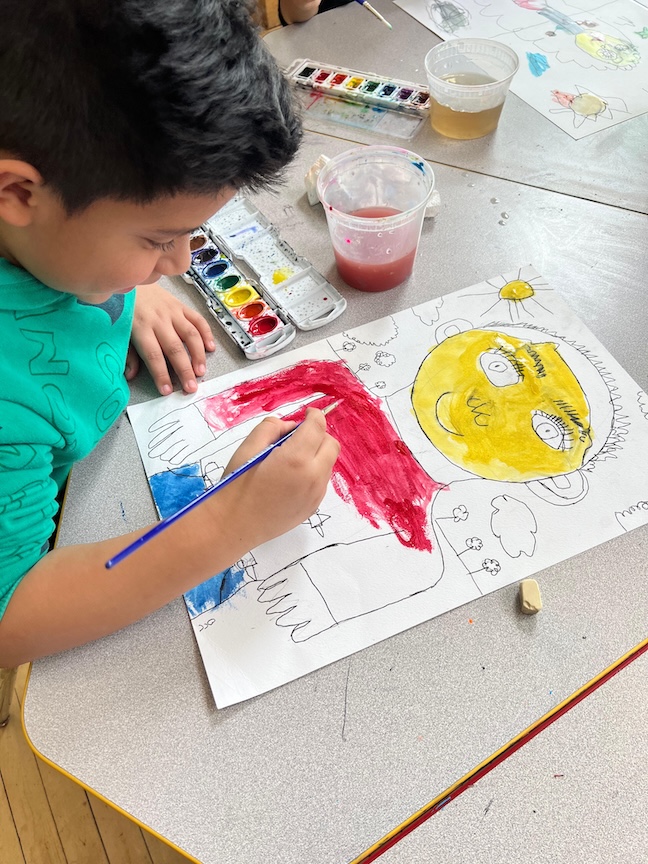
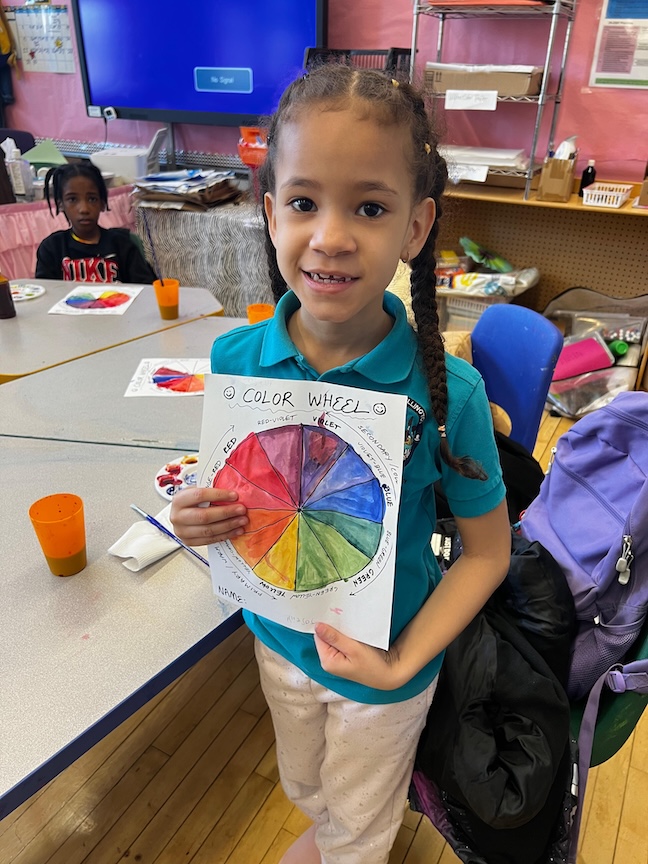
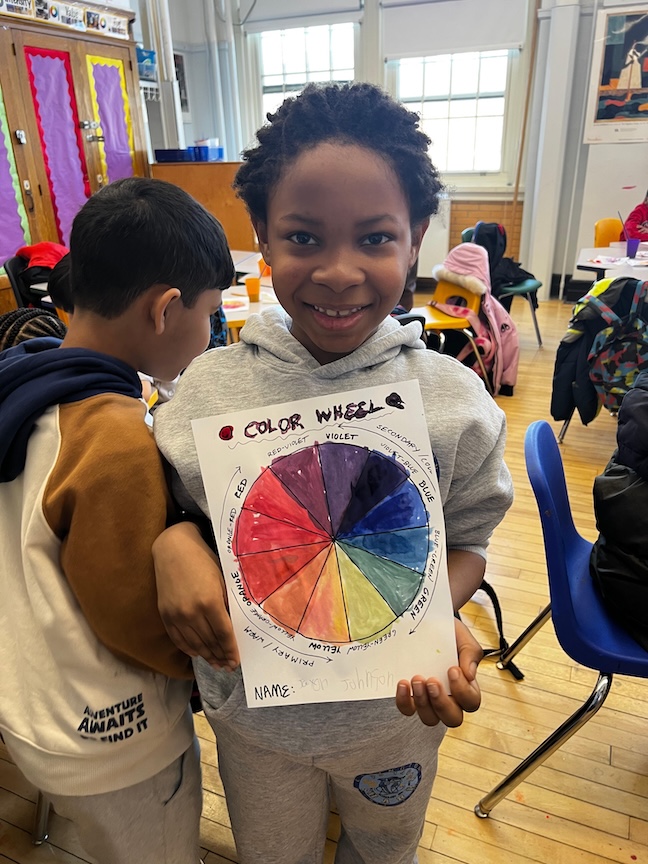
The students remain the strongest outcome of this experience. Many had not worked with a visiting professional artist. Over several sessions, I observed increased focus, improved observation, and more intentional visual decision-making. These results emerged through structured discipline rather than institutional support.
While organizations like Scribble Art Workshop expand access, their internal systems require reevaluation. Effective models demand interactive training, responsive communication, practical placement strategies, and alignment between curriculum design and classroom conditions. Equally important is the cultivation of a professional environment in which teaching artists feel supported, respected and equipped to represent the organization with integrity.
On a personal level, this experience has clarified what I no longer negotiate. Opportunities often arrive with a compelling surface, yet it is only through direct engagement that their underlying structure becomes visible. In that process, I have identified my thresholds of tolerance and reaffirmed a grounded sense of self respect toward my time, labor, and energy I invest in professional commitments. Teaching for me, is not a supplemental task, it is an extension of my artistic practice and a disciplined exchange of attention.
My first teacher was my father, Tsogo Mijid, whose influence continues to shape how I understand both art and pedagogy. From him, I learned that teaching is not transactional but generative, rooted in continuity, care, and the responsibility of transmitting knowledge with precision. That foundation remains central to how I enter any classroom.
My experience with Scribble has made clear the widening disconnect between a lineage-based understanding of teaching and the operational models that now dominate contemporary arts education. When instruction is reduced to speed, standardization, and volume, both the quality of learning and the dignity of the artist are compromised. Systems that prioritize output over depth or efficiency over engagement inevitably erode the very essence of what they claim to provide.
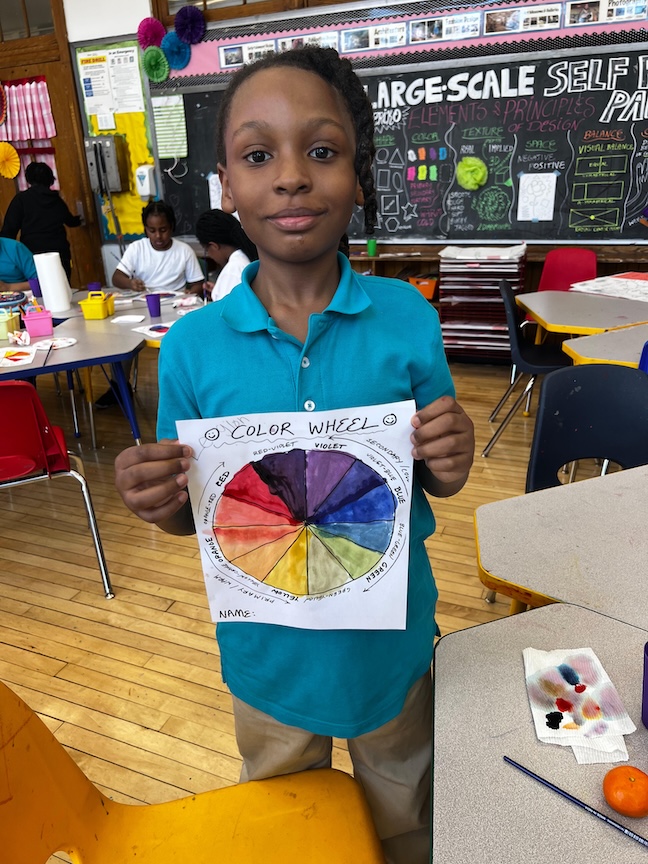
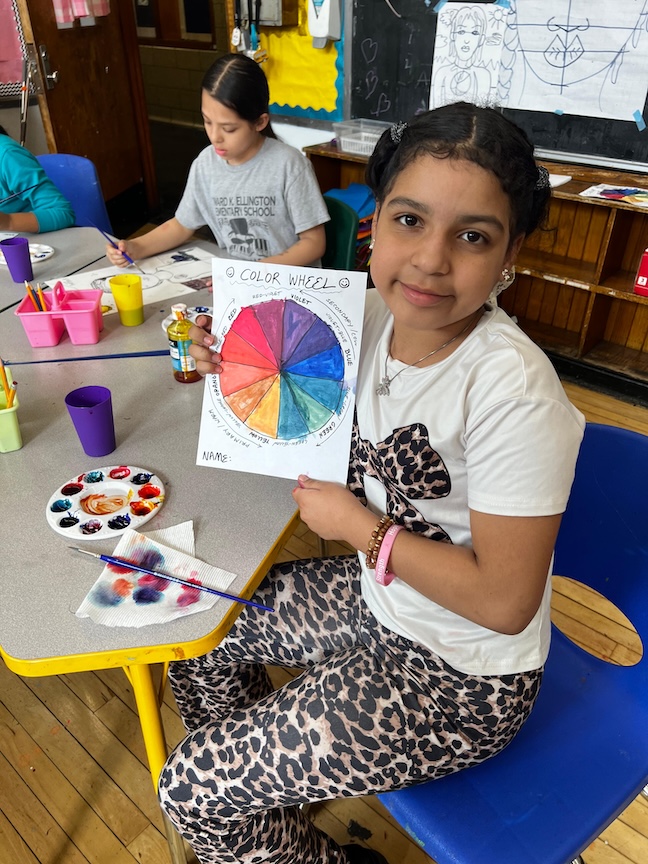
I recognize these tensions not only within organizations like Scribble Art Workshop, but also within the broader conditions of public school arts education across the United States, where limited funding and structural constraints create parallel challenges. These are not separate issues but interconnected ones reinforcing a cycle that undervalues both the educator and the educational experience itself.
Even within the brevity of this trial work period, it has reaffirmed my direction towards independent teaching at a pace, depth and standard that reflects the value of the work and the continued development of systems that prioritize integrity where it is often absent.
 hilitehead
elaborate?