
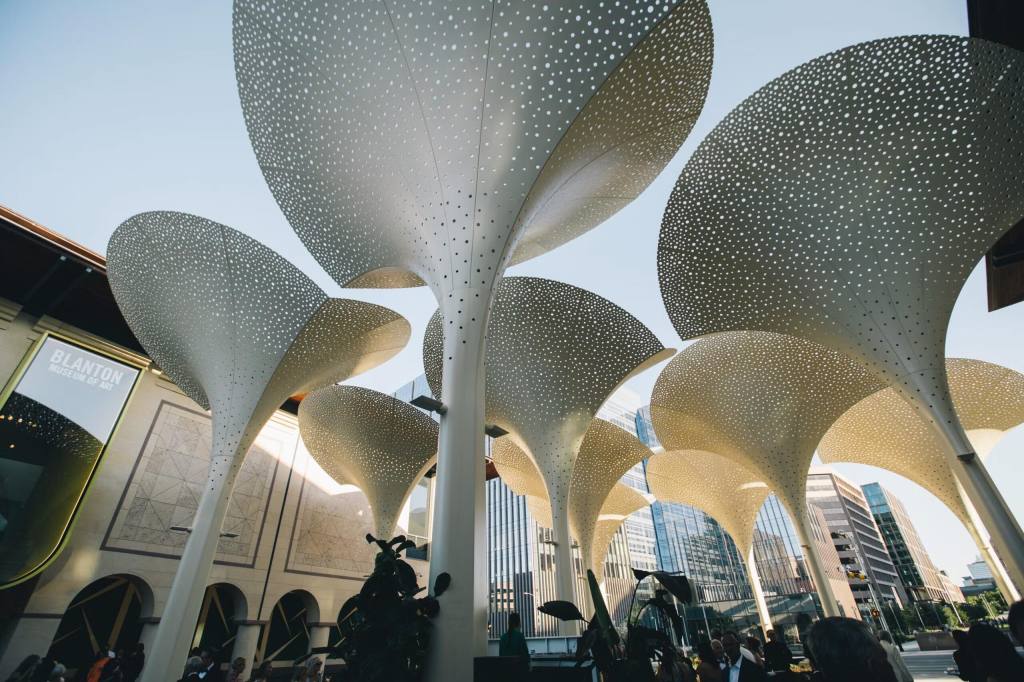
After completing my Vipassana course at Kaufman, I decided to explore the art scenes in Dallas and Austin. In the phenomenological tradition, Merleau Ponty describes experience as fundamentally participatory, the body is not a receiver of the world but a mode of being in it, always already engaged before cognition arrives. What follows is a review of the art institutions that I encountered in the two cities with some that held weight and others that did not.
DALLAS
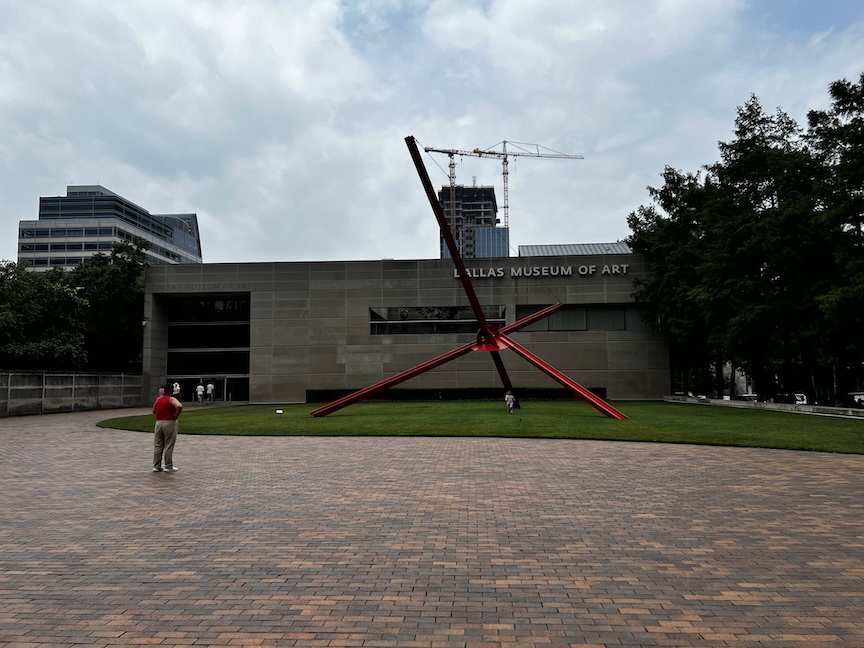
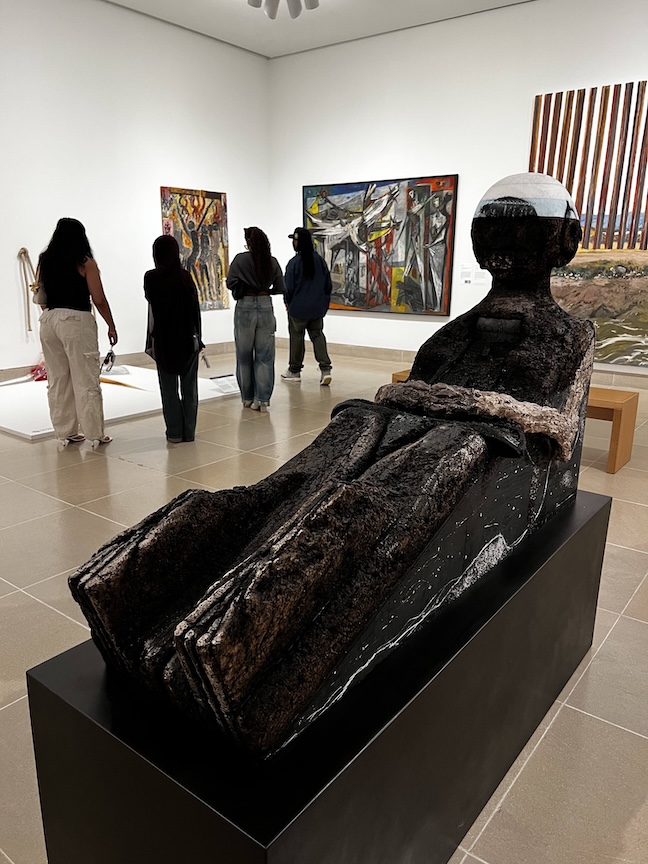
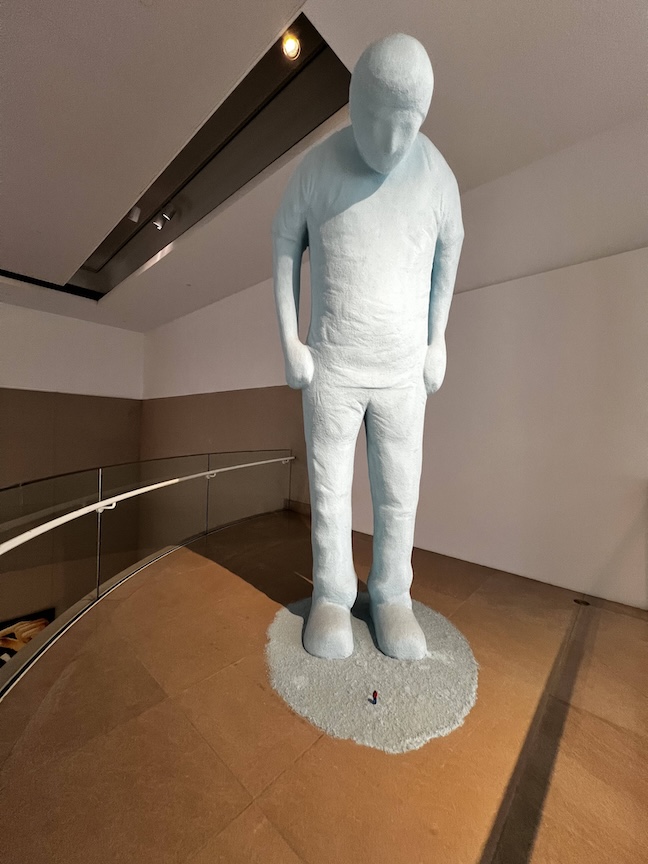
Dallas Museum of Art
The DMA’s exterior is relatively unassuming, the building reveals itself from within with galleries unfolding across multiple levels around a central atrium. Among the collection highlights were the museum’s strong pre-Columbian and Mesoamerican holdings.
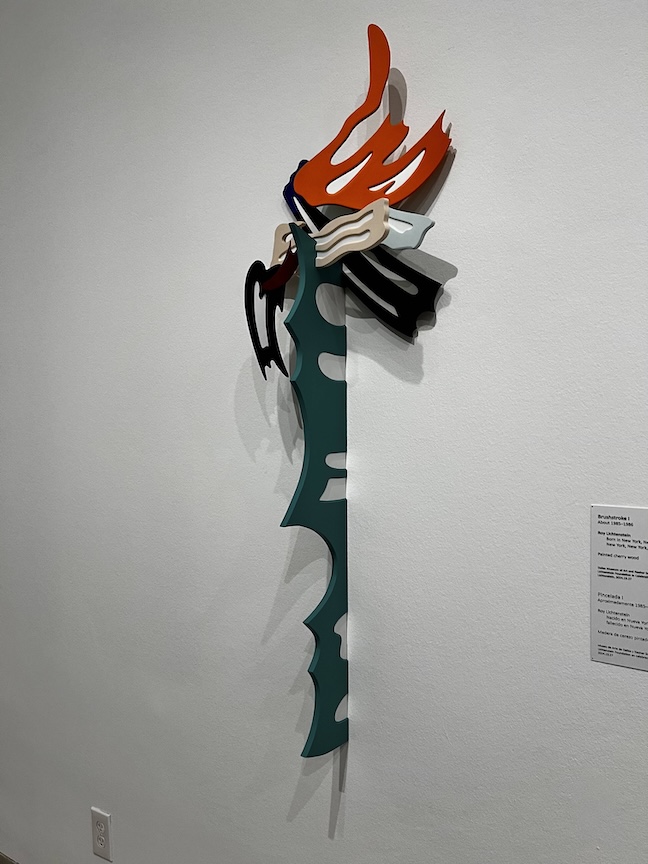
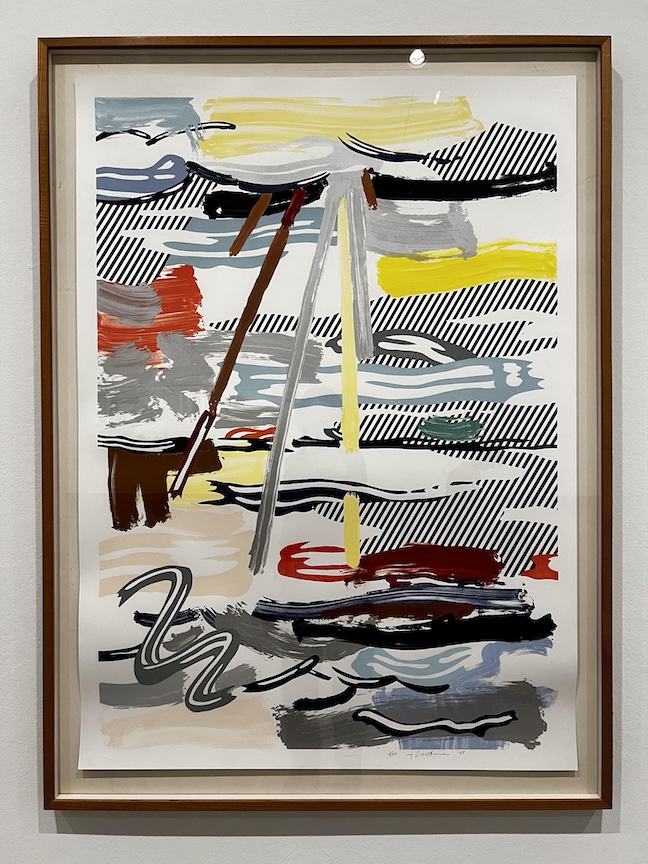
The contemporary wing was anchored by Roy Lichtenstein in the Studio, a major centennial exhibition drawn from a landmark gift by the Roy Lichtenstein Foundation to the DMA and Nasher Sculpture Center. Featuring more than fifty works including prints, drawings, maquettes and wooden Brushstroke sculptures. The exhibition focused on the Brushstroke series illuminating the tension between spontaneous gesture and mechanical reproduction.
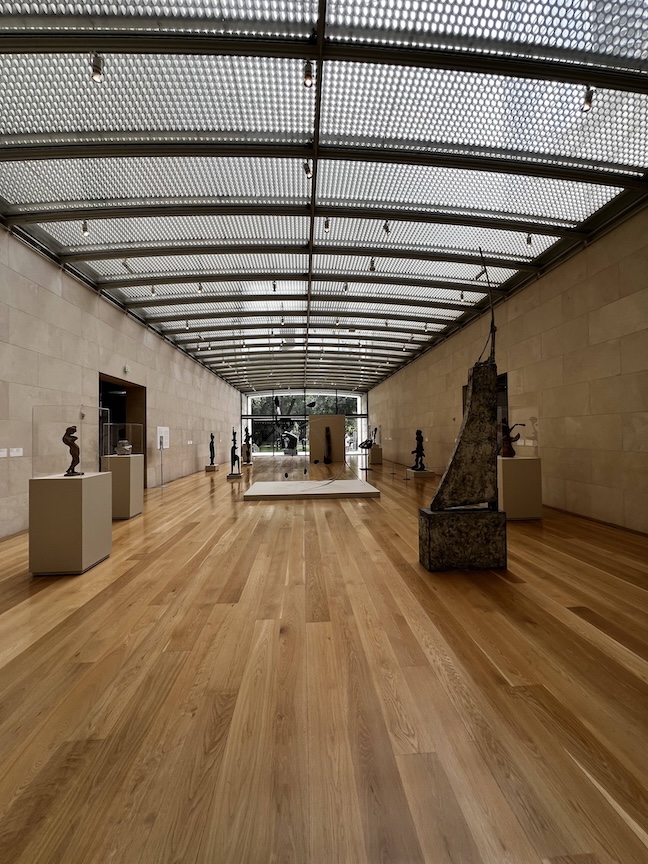
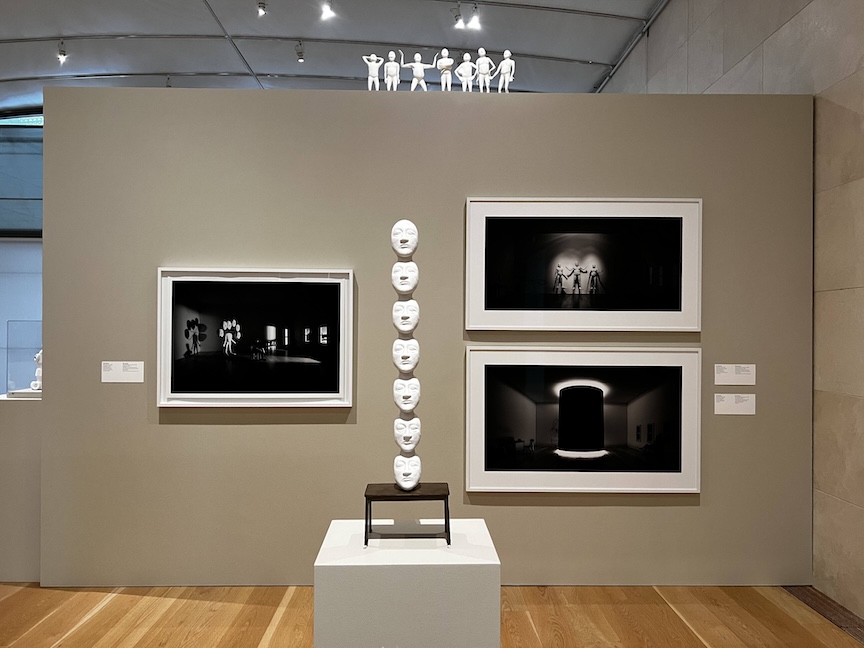
Nasher Sculpture Center
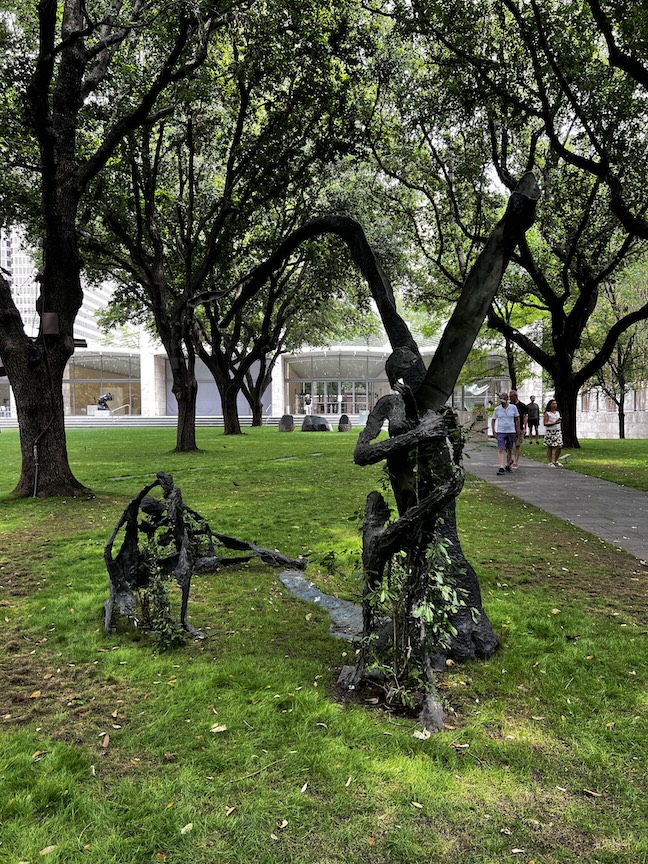
The Nasher was one of my favorites. The Renzo Piano’s building was completed in 2003 by landscape architect Peter Walker. The garden out back cultivated an openness with works by Rodin, Calder, Giacometti, Serra and Bourgeois each holding its own atmospheric radius.
The lower gallery was dedicated to the Nasher’s portion of the Lichtenstein centennial gift: Roy Lichtenstein in the Studio. The curatorial framing here was more concentrated than the DMA’s presentation placing the maquettes in dialogue with the final sculptures working through questions of translation from the painter’s mark to the fabricated object.
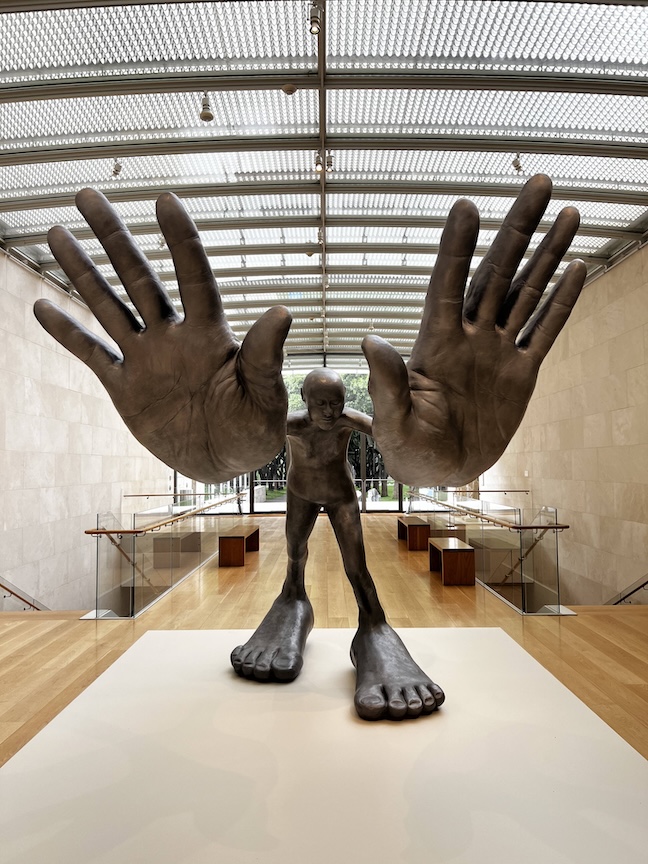
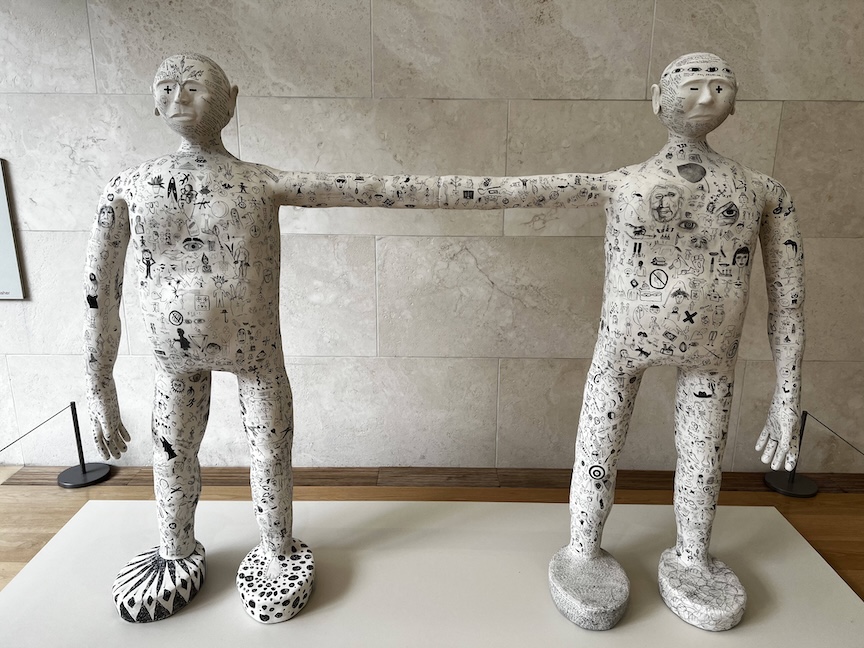
The concurrent temporary exhibition, Nic Nicosia: Everyday Surreal (May 16–August 16, 2026), was a retrospective of the Dallas based artist’s practice spanning 70+ sculptures, drawings and photographs, tracking his evolution from staged photography toward studio sculptures. The entrance piece, a large stainless steel figure with oversized cartoon hands was a strong opening gesture however the rest of the exhibit/curatorial layout felt vacant.
Crow Museum of Asian Art
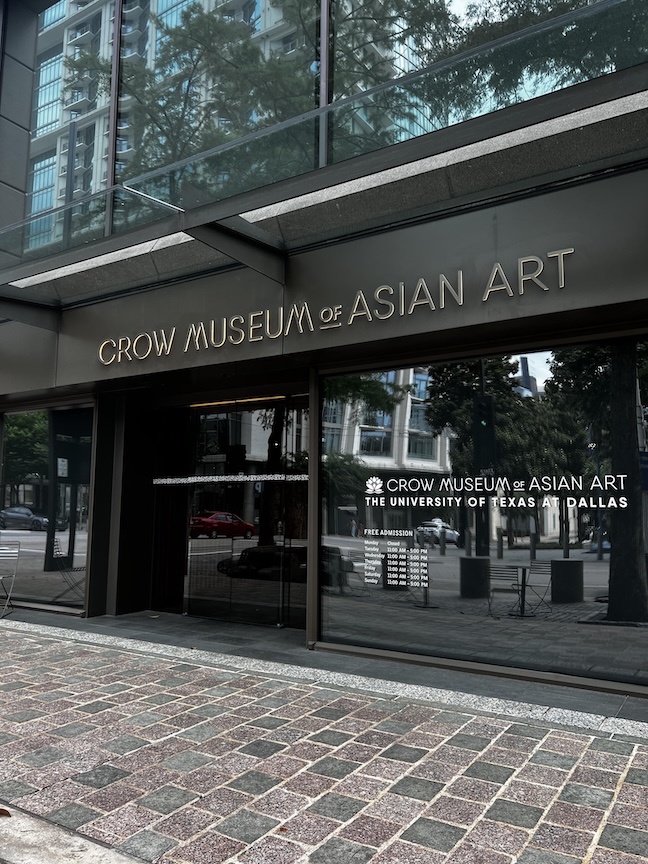
The Crow, a dedicated museum for the arts of Asia located in the Dallas Arts District is architecturally accomplished, however felt like an institution still building toward the collection it intends to be.
During my visit, the museum was presenting Du Chau part of its Texas Ties series — a Dallas based ceramist working in porcelain using translucency and wire as structural and metaphorical elements to explore memory and cultural heritage. Alongside it was Fire and Earth: Early Chinese Pottery from the MacLean Collection presenting forty five early Chinese vessels.
The Design District
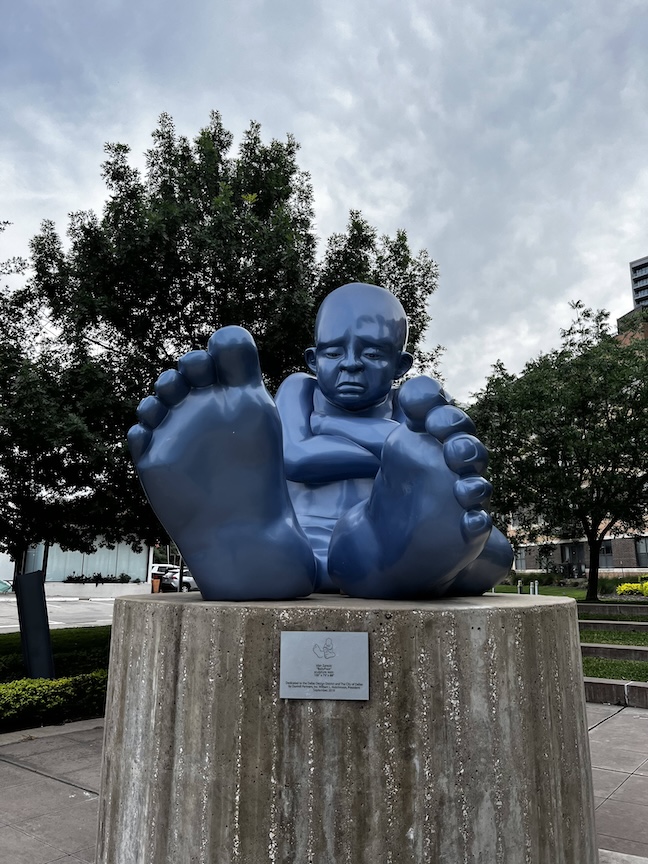
I spent two days walking Dallas’s Design District, a neighborhood in the midst of rapid redevelopment. Its strongest feature is their public sculpture program integrated directly into streets, plazas and building fronts. The district embodied a meaningful cultural investment advancing alongside accelerated gentrification, raising questions about who the city is being designed and curated for.
Dallas Contemporary + Perot Museum
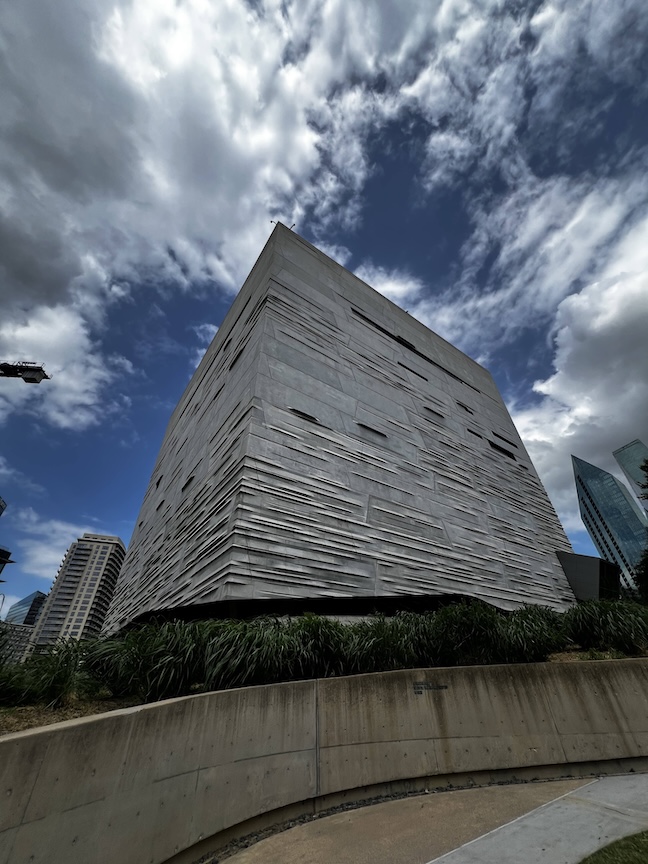
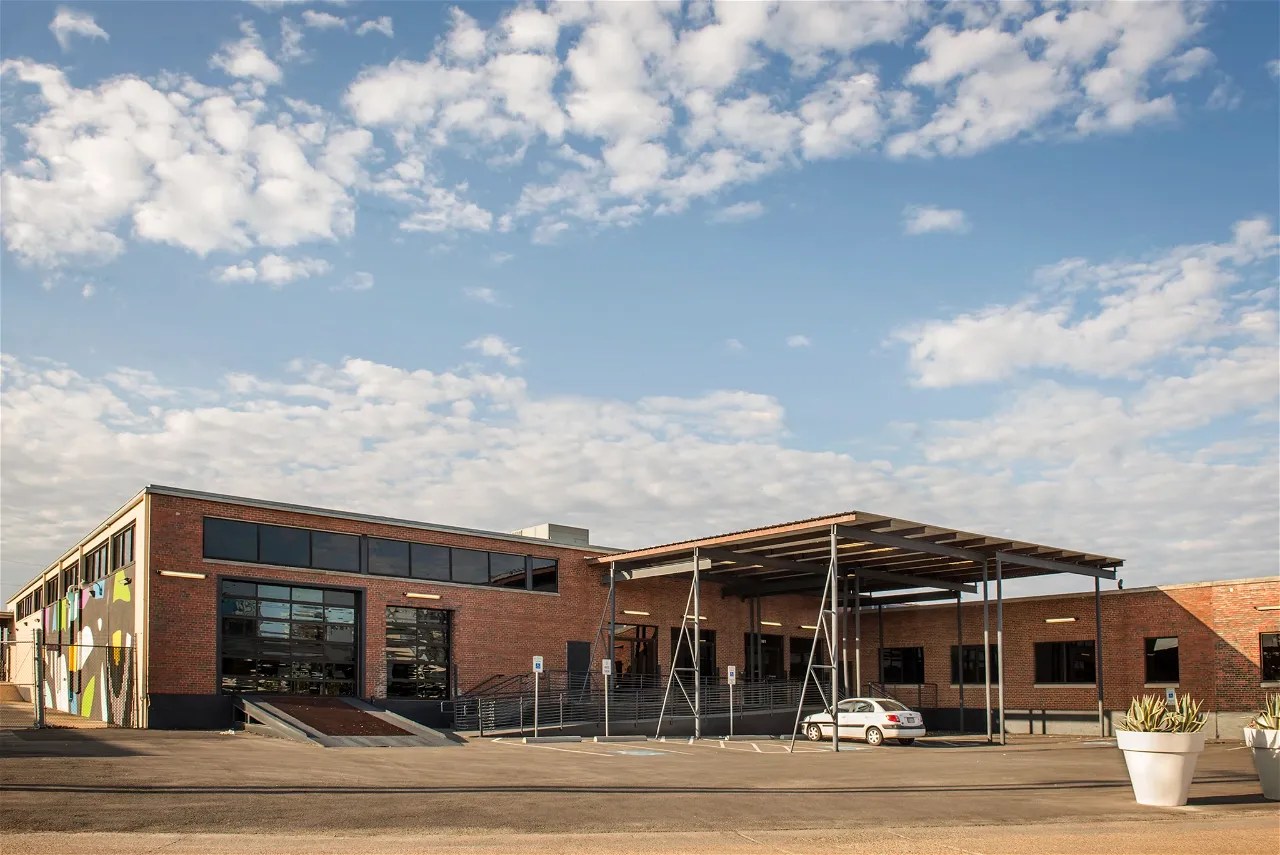
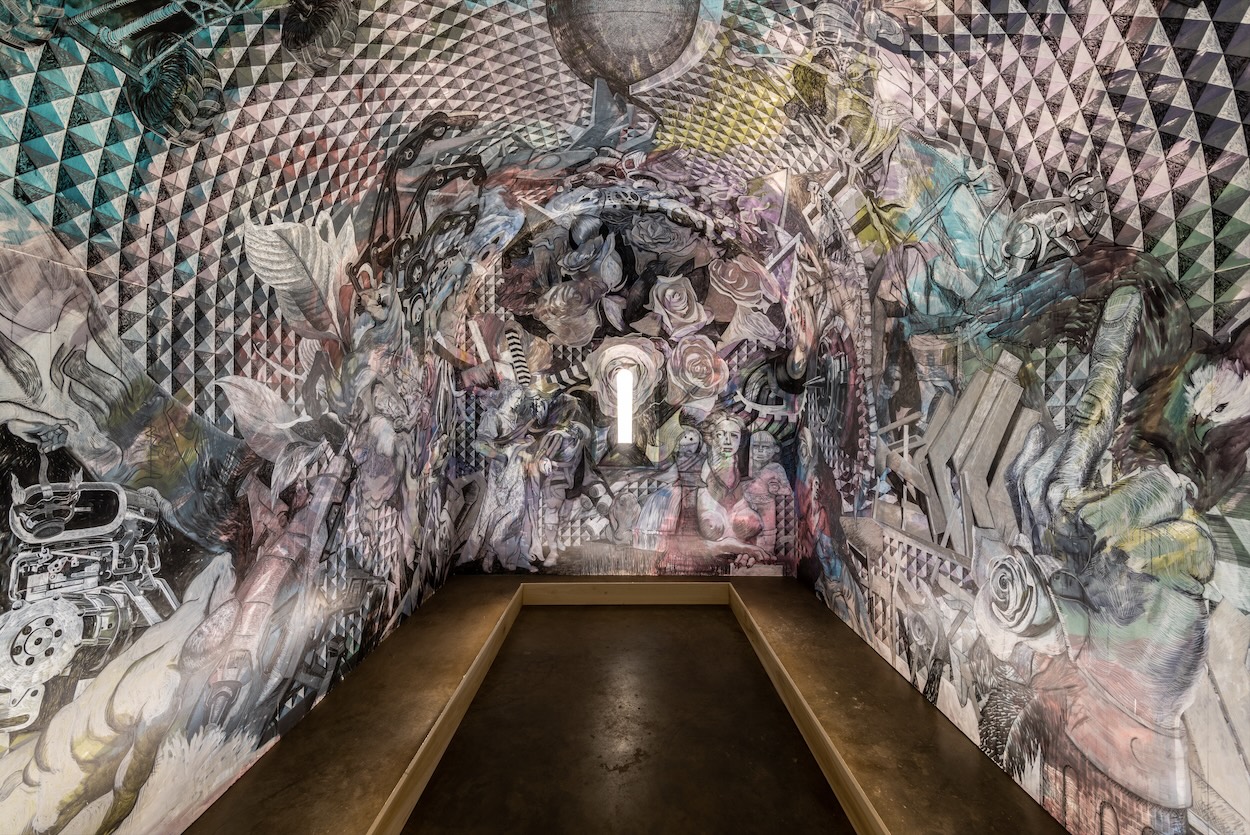
Dallas Contemporary’s exhibitions felt underactivated despite the institution’s potential for rigorous contemporary programming. The museum is currently undergoing a leadership transition which may partially explain the sense of drift. The Perot Museum’s architecture was compelling, but its interactive science and natural history displays felt underwhelming.
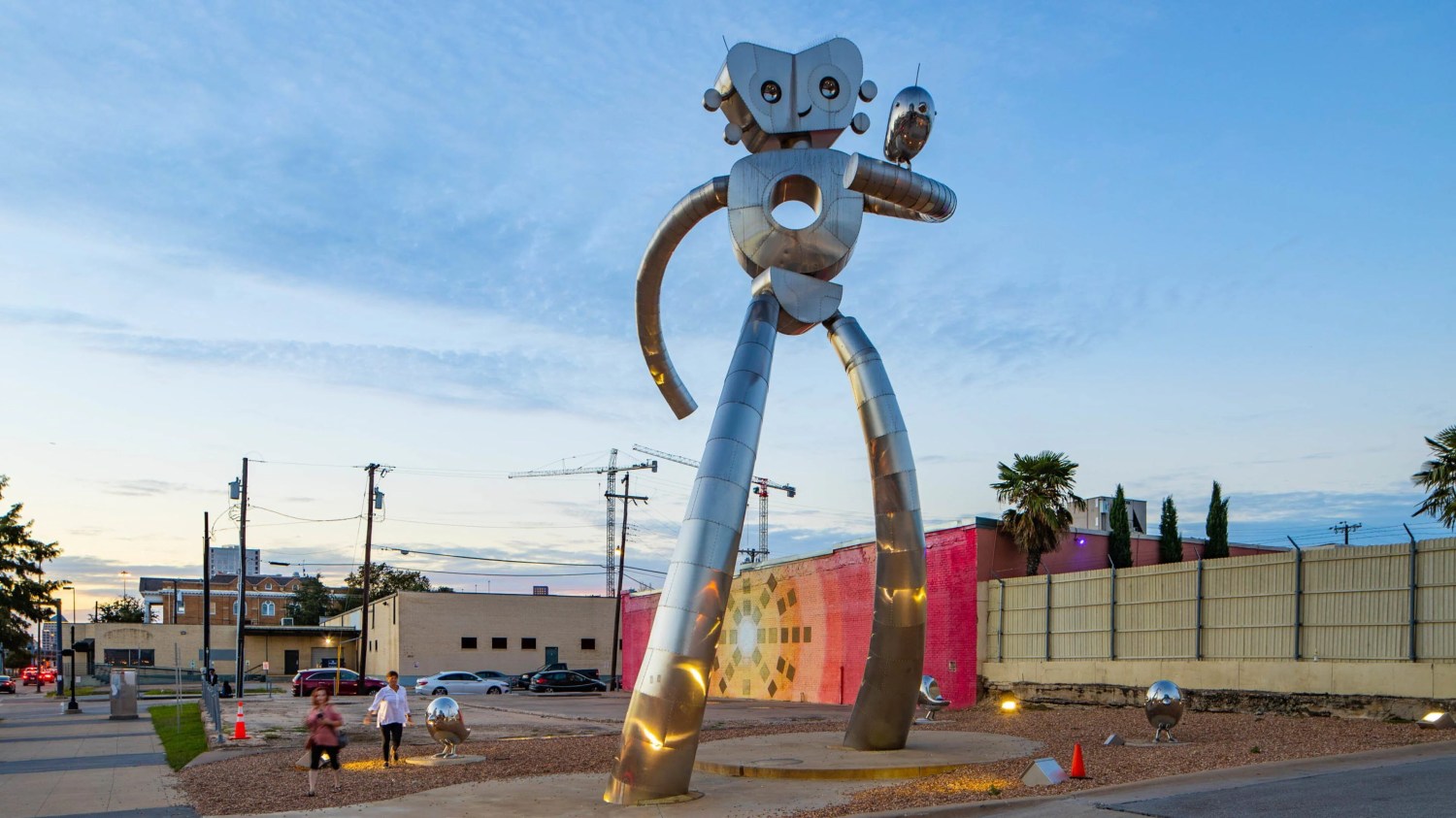
Deep Ellum
Deep Ellum’s history is tangible as a neighborhood that nurtured blues, jazz and R&B in the early twentieth century which evolved into a hub for underground culture in the 1980s and 90s, having repeatedly lost and reclaimed its creative identity under economic pressure. Its murals still carry traces of that legacy. On the Friday evening I visited Main street, the heart of deep Ellum I felt like I walked straight into a party atmosphere that was loud, dirty, fragmented with a barrage of sensory excess that felt spiky to my nervous system after having just emerged from a silent meditation environment.
Watch my TikTok overview of the Dallas art hopping day → tiktok.com/@erikotsogo
AUSTIN
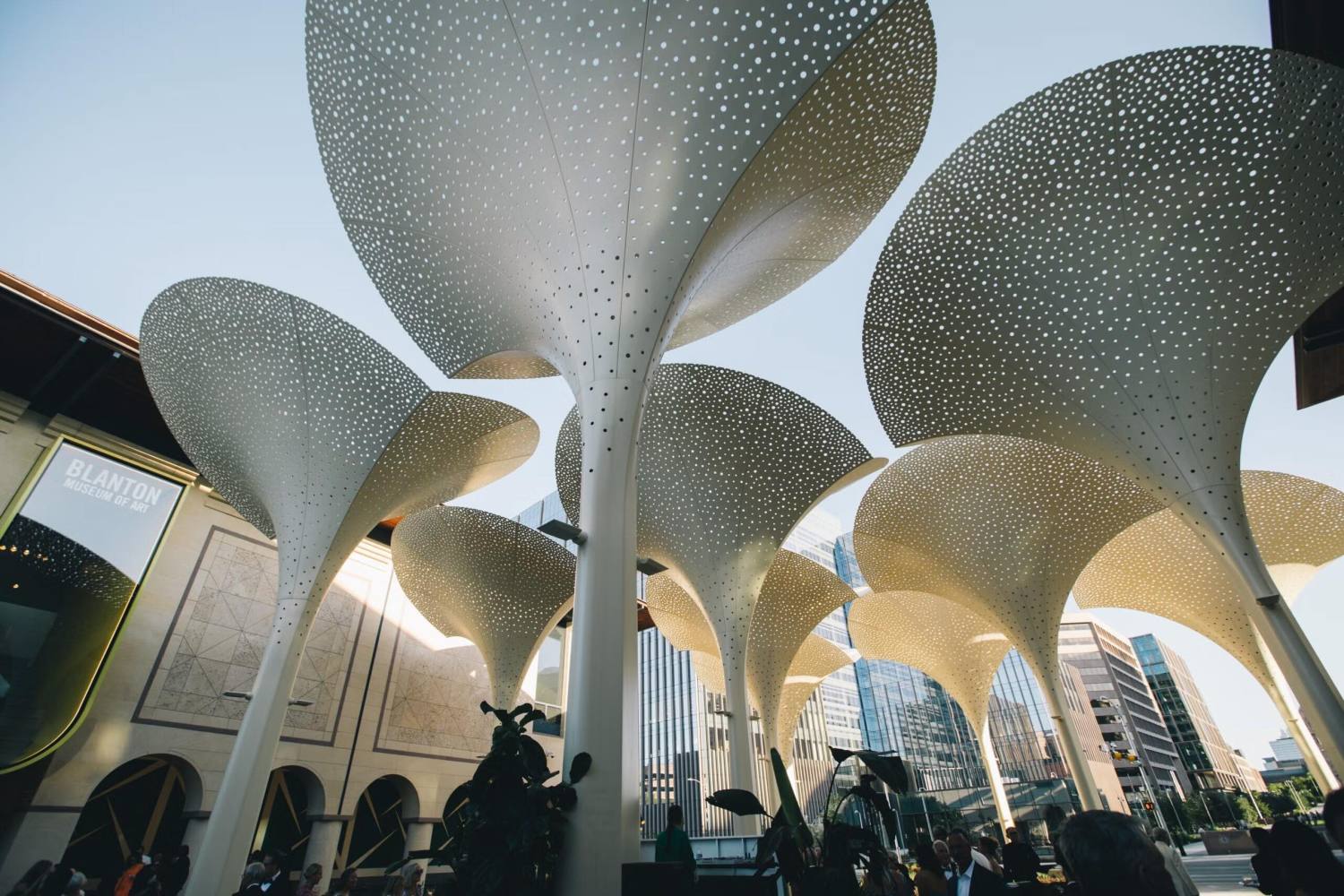
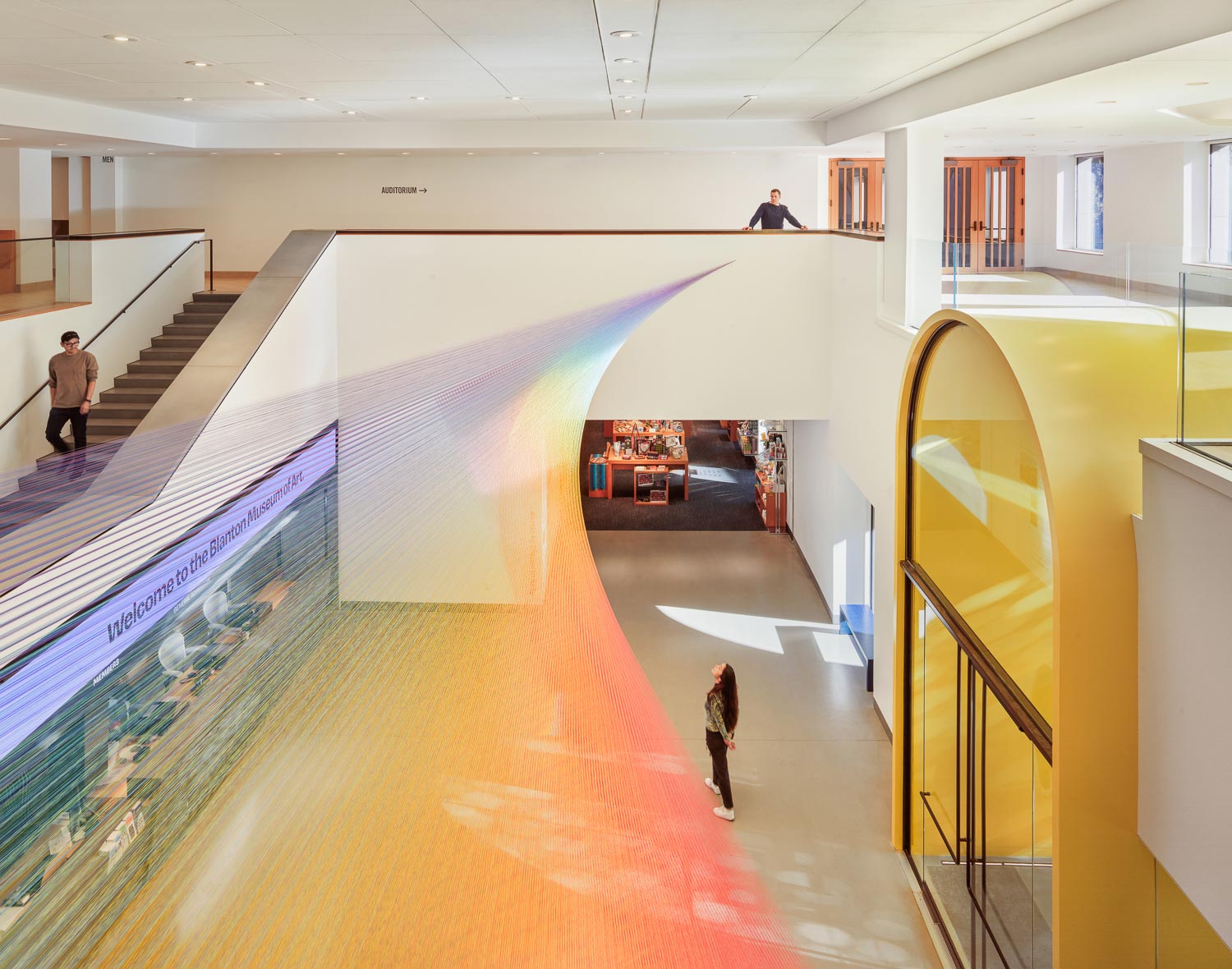
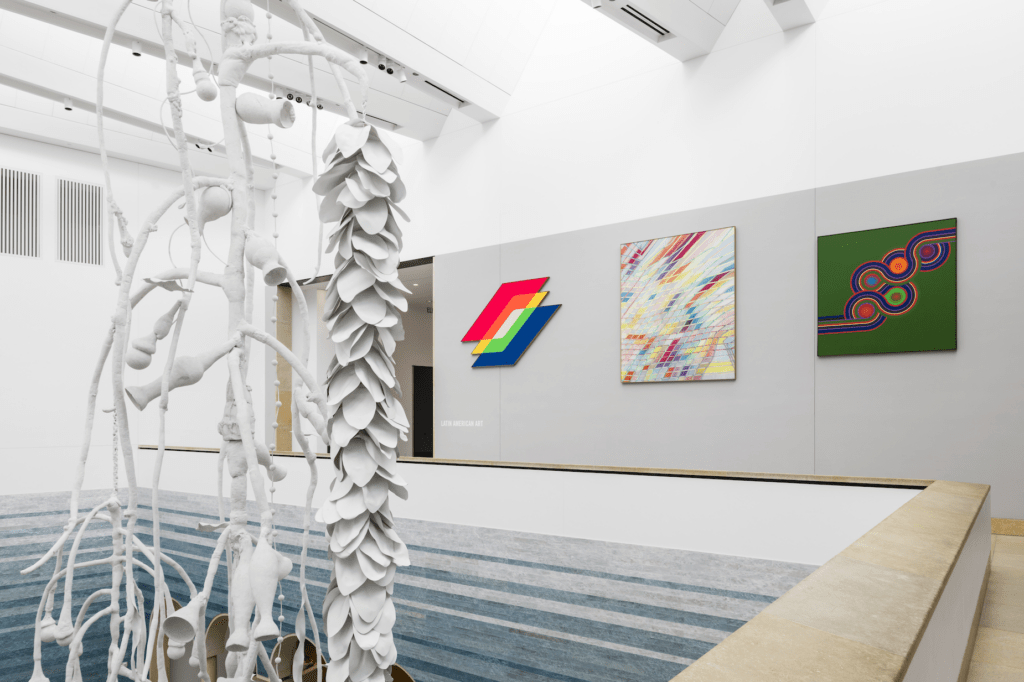
Blanton Museum of Art
The Blanton is the flagship university museum of the University of Texas at Austin with one of the strongest collections in the region. The museum’s Latin American holdings are particularly impressive.
Two exhibitions stood out during my visit. American Modernism from the Charles Butt Collection: From Edward Hopper to Alma Thomas bringing together more than eighty works spanning a century of American art with works by Hopper, Georgia O’Keeffe, Jacob Lawrence, Joan Mitchell, and Alma Thomas.
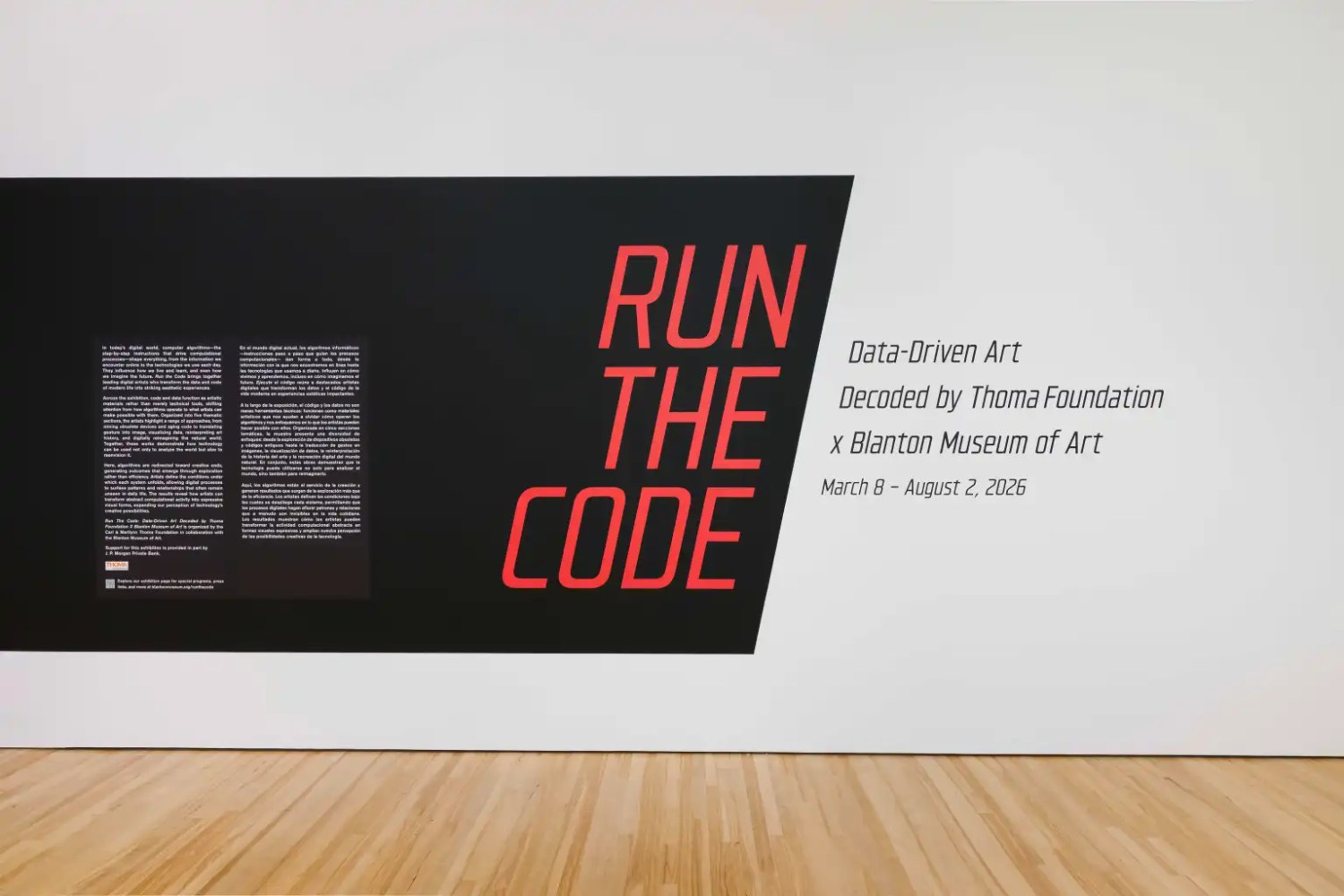
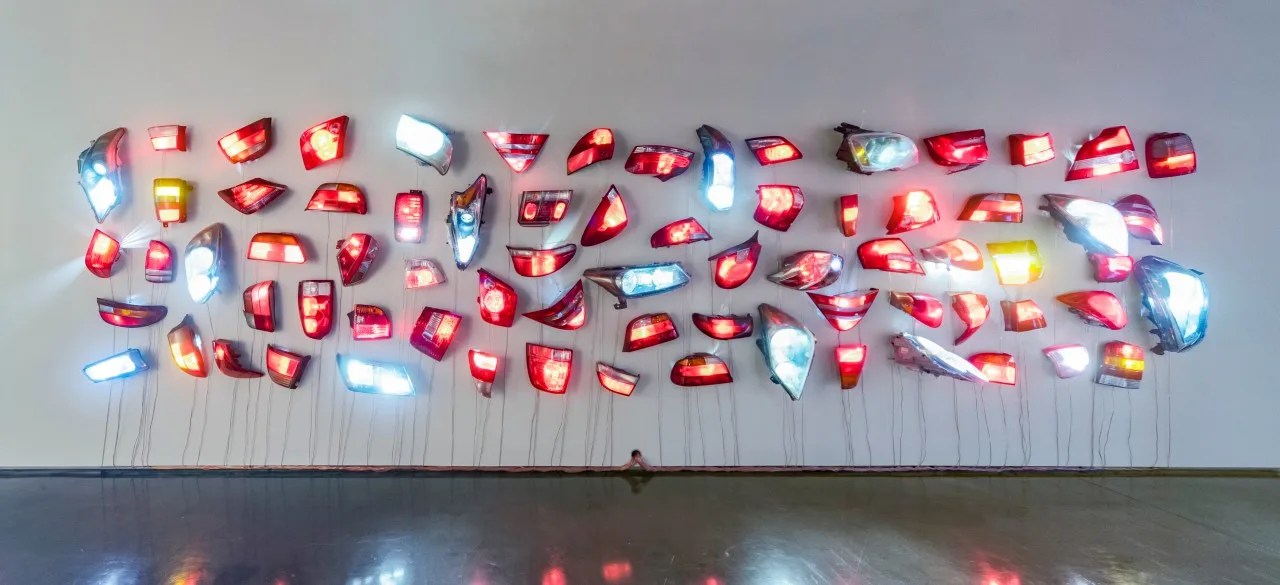
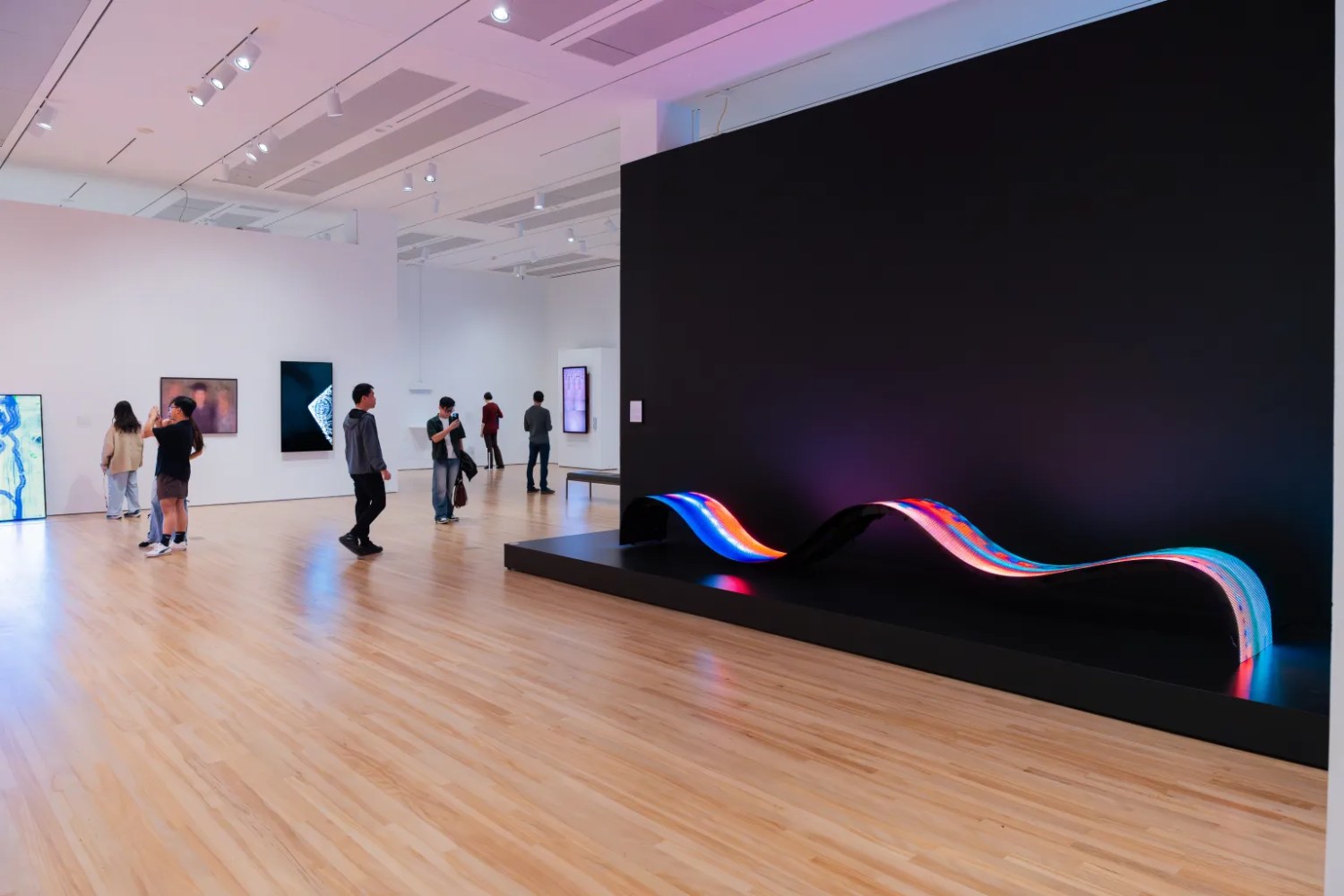
Run the Code: Data-Driven Art Decoded explored the intersection of art, technology and information through works by Refik Anadol, Jenny Holzer, Rafael Lozano Hemmer, teamLab and others. The exhibition asks how data can be transformed into sensory experience with some of the strongest works being those that acknowledged the complexities and limitations of turning information into spectacle.
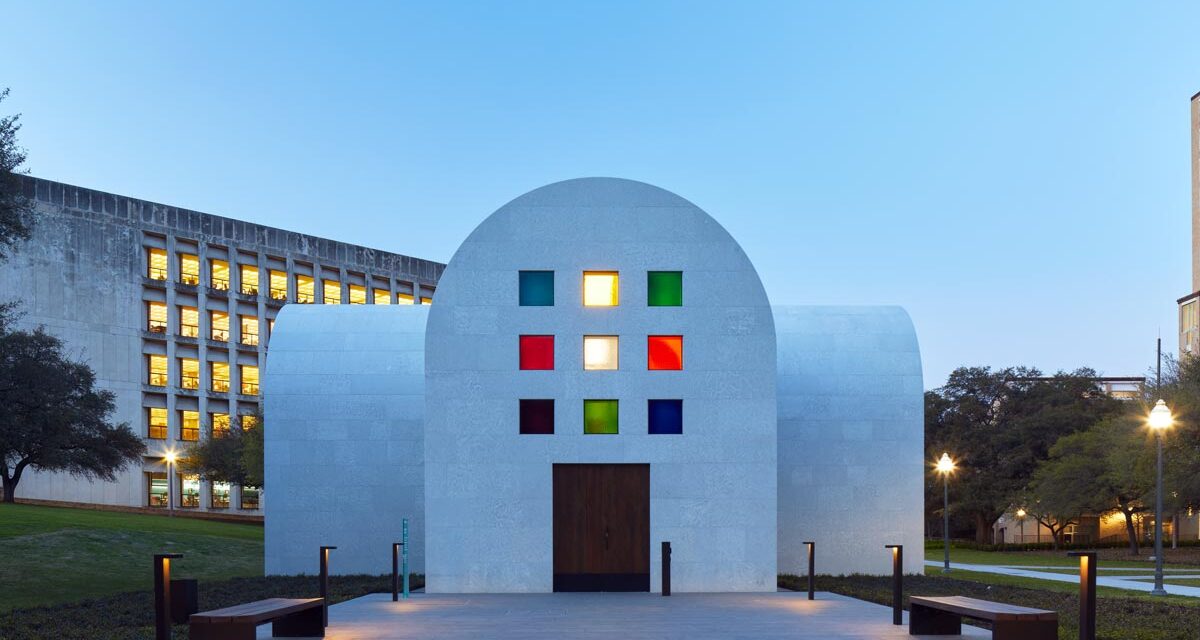
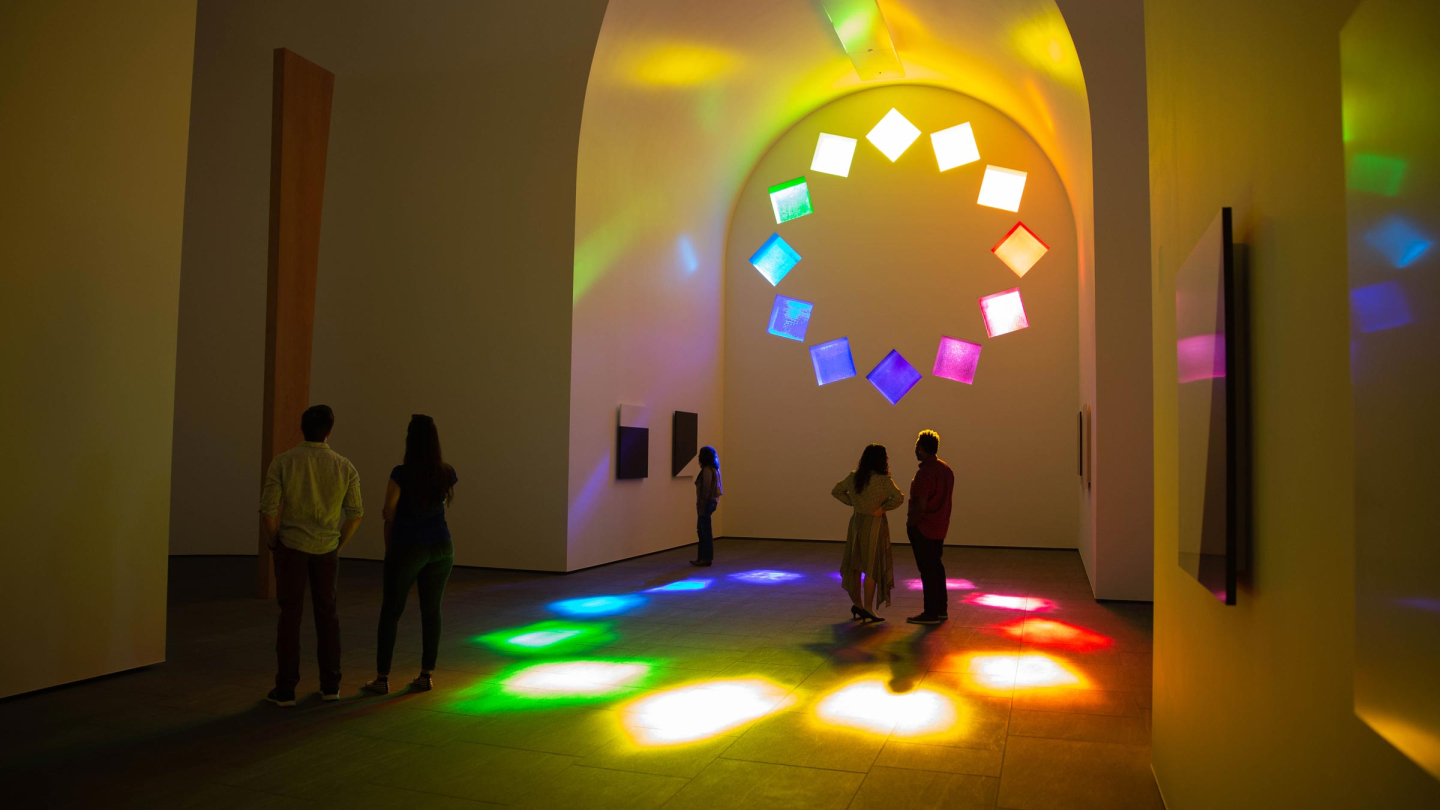
The highlight of the visit was Austin, Ellsworth Kelly’s permanent chapel like structure on the museum campus. Completed posthumously and opened in 2018, the building is a total artwork composed of limestone, colored glass, light and silence.
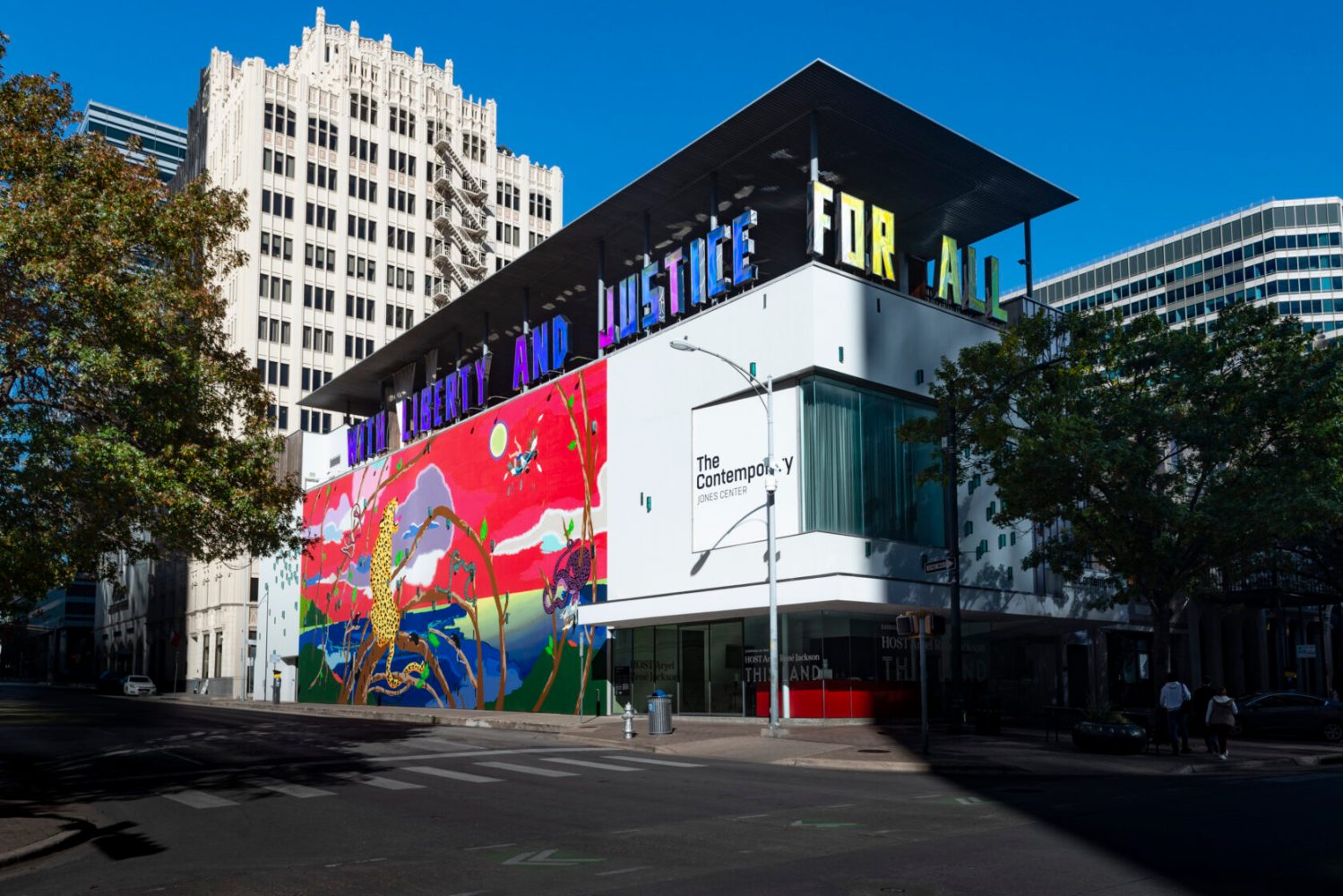
The Contemporary Austin
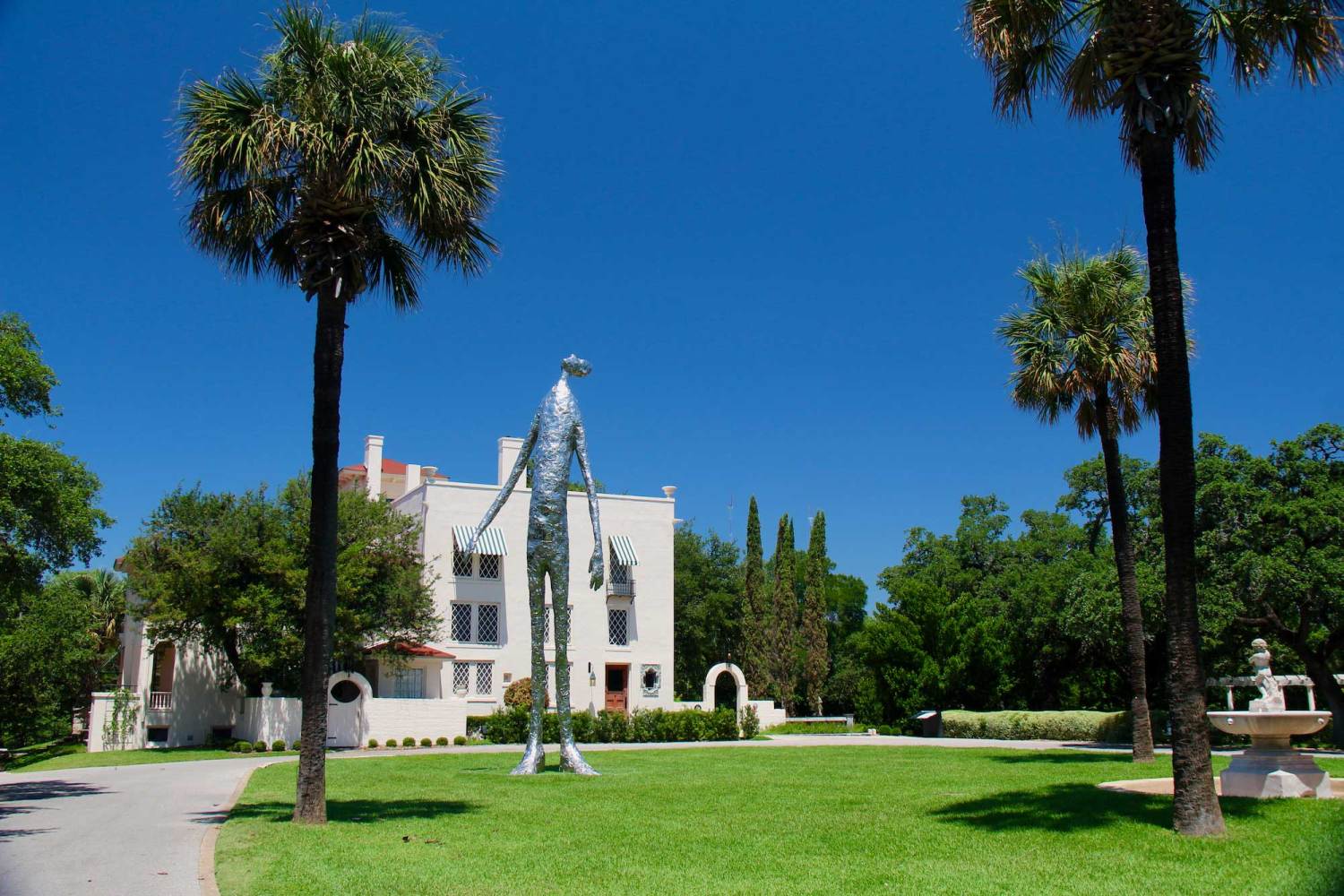
The Contemporary Austin operates across two sites, the Jones Center downtown and Laguna Gloria which is a lakeside estate in West Austin. While the Jones Center functions as a traditional contemporary art space, Laguna Gloria offered a more immersive experience where art, architecture and landscape intersected.
The current exhibition, HOST: Laura Lit, placed the artist’s large scale figurative sculptures throughout the grounds. The works explored themes of ecology, transformation and coexistence between human and nonhuman forms.
Reflections
Throughout my time in Dallas and Austin, I found myself asking locals about Texas culture and psychology. One observation surfaced repeatedly, Texans value space. Not only physical space but social space as well. People want room to build, expand, move and define themselves on their own terms.
Both Dallas and Austin felt expansive and decentralized, stretching outward rather than upward. Despite their rapid growth, they retain a suburban quality and a small town sensibility. Compared to New York City where density creates constant friction and collective negotiation, Texas feels fundamentally oriented toward autonomy. The landscape reinforces the mindset of vast roads, oversized vehicles, sprawling developments and a horizon that always seems slightly out of reach.
What surprised me most was how different Texas felt from popular stereotypes. In some ways, it reminded me of a hybrid between metropolitan Denver and the deserts of Arizona less culturally monolithic than outsiders often imagine. Many of the institutions I visited felt invested in openness, accessibility and scale.
HILITEHEAD is a multimedia platform at the intersection of art, culture, consciousness and emerging spiritual movements.


elaborate?