
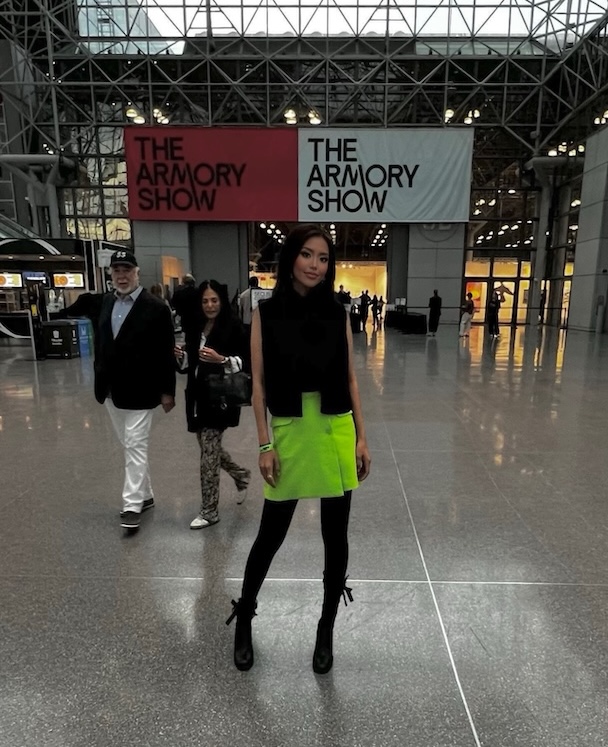
I visited three art fairs in a single day at the end of September, moving through each with the lens I bring to every room; an AAPI, spiritual, metaphysical, female forward Buddhist perspective drawn to surrealist and expressionist practices that treat consciousness as material. This perspective reflects where I stand today between two pillars of culture and spirituality which extends directly into my ongoing media centered project —— HILITEHEAD Global Interview Series (HGIS), where I speak with artists and thought leaders across cultures to explore how consciousness takes shape through their work and lived experiences. Independent 20th Century filled the Breuer, SPRING/BREAK took over a former CBS News office floor under the theme Hide ‘n Seek, and The Armory Show filled the Javits Center with a program devoted to the Caribbean and its diasporas.
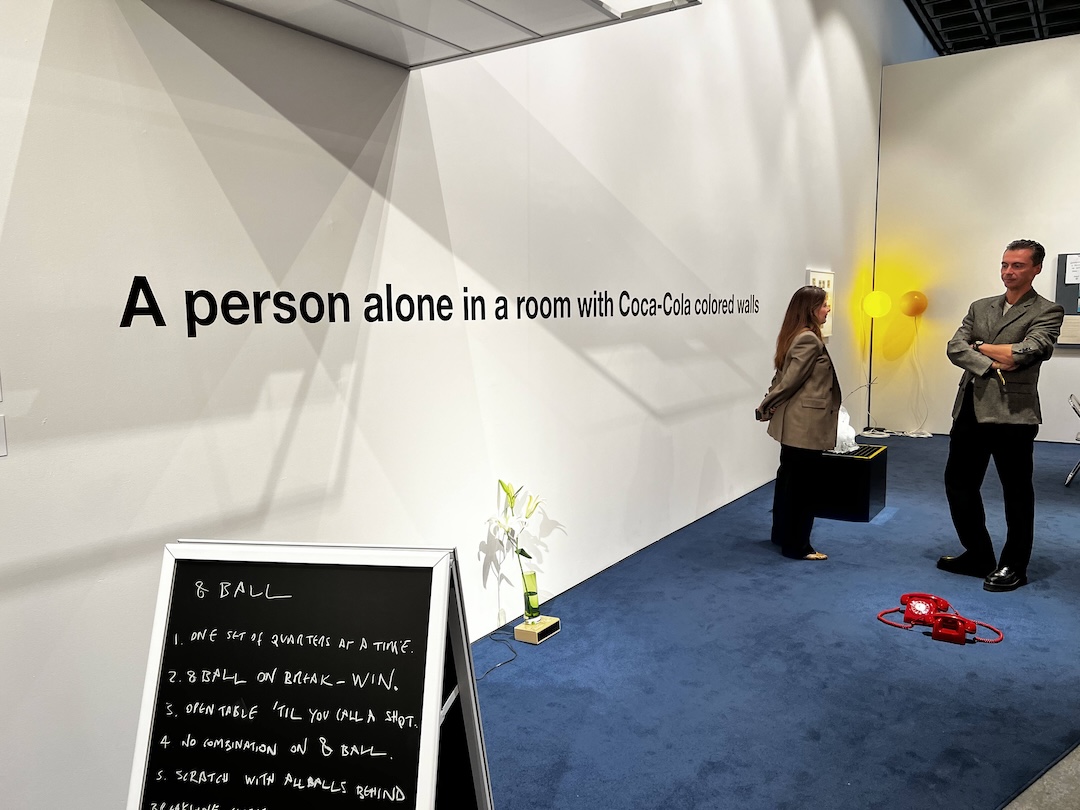
Few questions guided my walk. How do living artists carry forward, reinterpret, or transform the work of those who came before them, and do traditional mediums and art historical references still carry force today? How does emergent technological practices from live video to virtual reality to immersive installation enter a room and engulf the viewer? And how is the gallery system responding to these practices as viable forms of exhibition and sales? What common threads connected all three fairs, from migration, ancestry, memory, healing, and surveillance——and what might they reveal about where art is headed? The answers emerged through the artists I encountered and unfold here in the order I walked through the fairs.
Rediscovered Visionaries & the Archive of Spirit
Independent 20th Century felt right in its larger home at the Breuer where a generous mix of two and three dimensional works had room to breathe, while its mission of recovering overlooked artists remained intact.
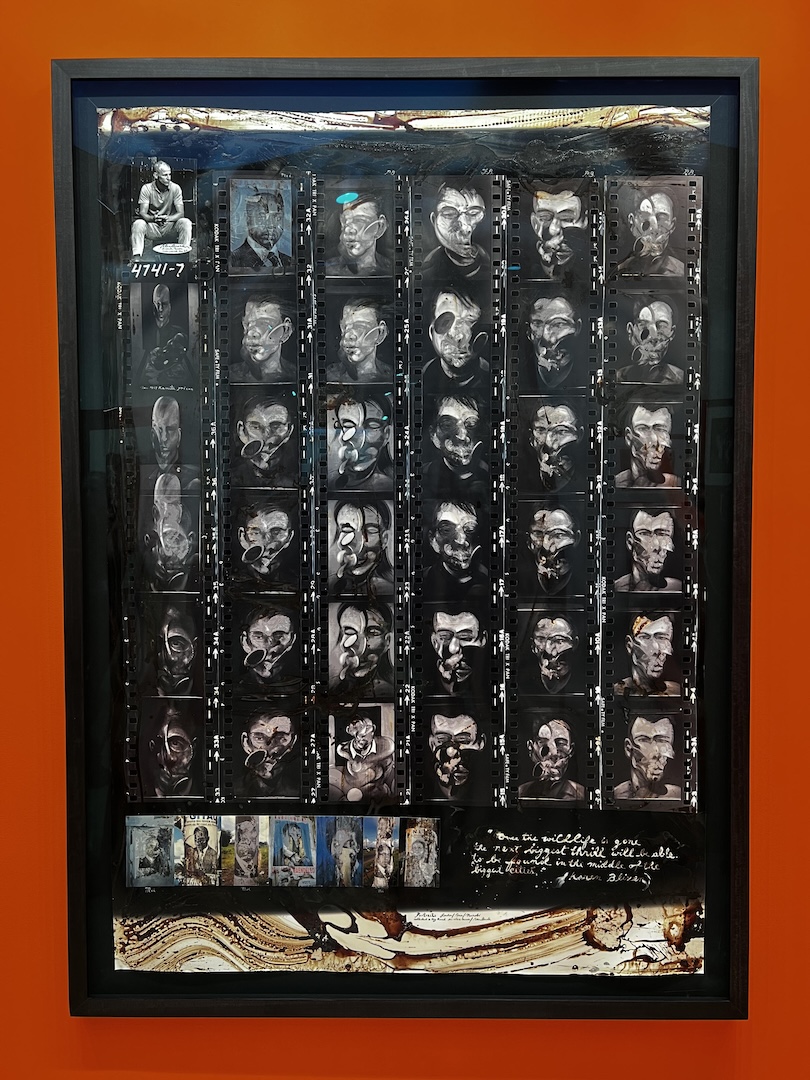
Francis Bacon arrived through the photographs and papers gathered from his studio floor by Michael Hoppen Gallery in an orange booth and watching the painter handle his own source images in such intimate scraps revealed a vulnerability his canvases seldom show.
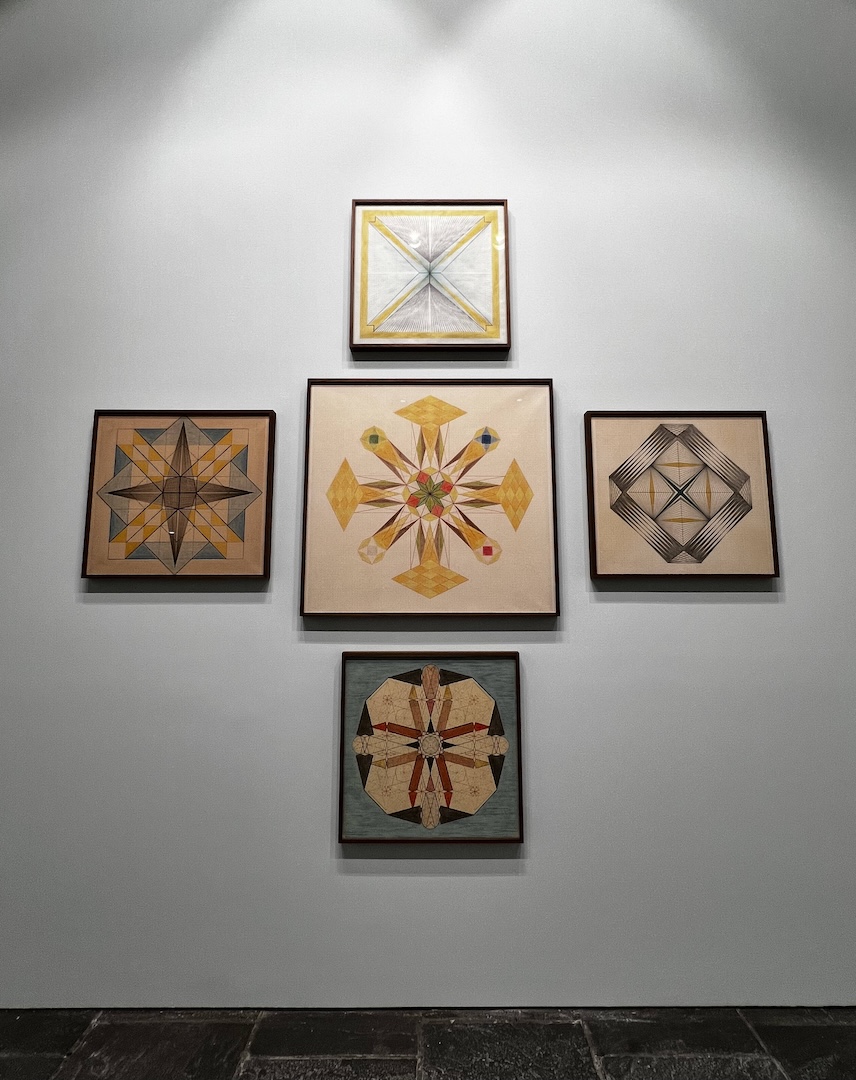
Traditional drawing rarely receives attention today but Emma Kunz’s (Hauser & Wirth) dry media drawings guided by a pendulum on graph paper stood out to me as sacred geometry mapped onto a grid.
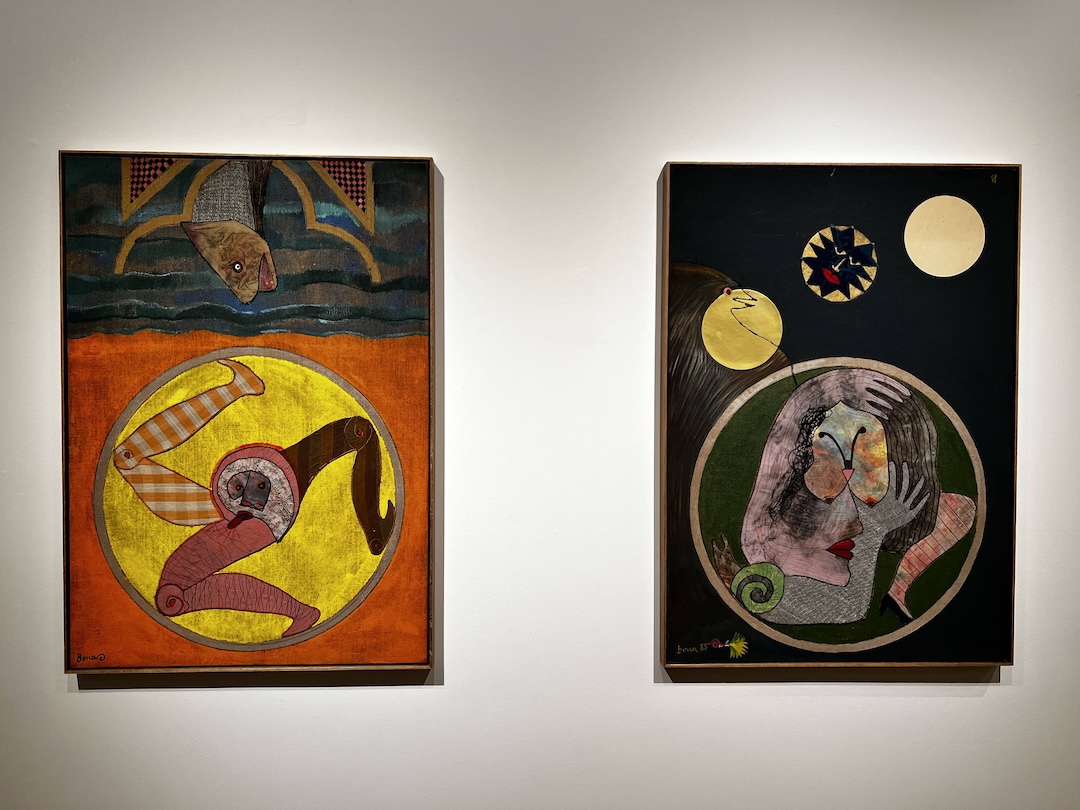
Bona de Mandiargues (Alison Jacques) presented a beautiful mythical dream scene with a Chagall-like float, drawn from a Surrealist vocabulary of snails and eyes. Ragna Róbertsdóttir (i8 Gallery) gave the United States her first solo presentation at eighty-one and her installation used the physical space as its own structure. A glass shard painting needs no frame because the content marks its own edge and the austerity of the whole reminded me of Soviet architecture.
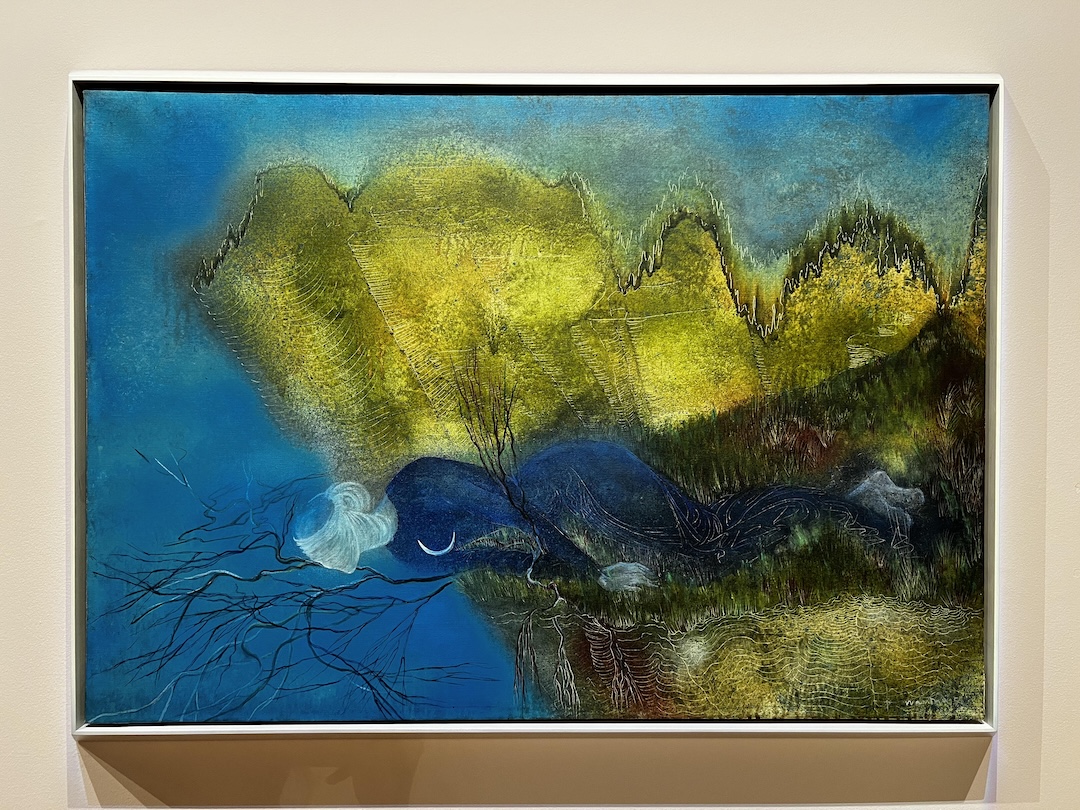
Manina (Richard Saltoun) whom André Breton called a born Surrealist, returned to New York for the first time since 1951. Her beautiful elemental paintings build tiny brushstrokes into sudden fields of color.
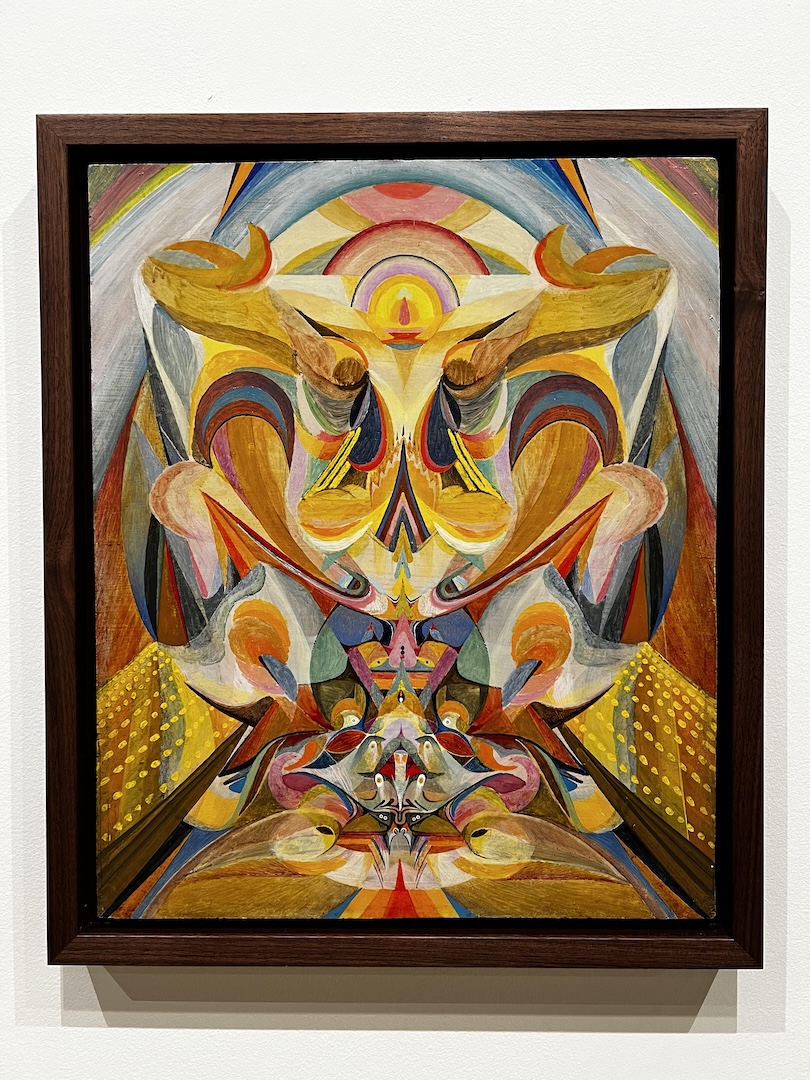
Marie Wilson (Gallery Wendi Norris) was my favorite of the fair. Spirals and psychedelic dots surround feminine spirits and gods in exact symmetry. This booth marked her New York debut and her first appearance on the East Coast.
Hide ‘n Seek: The Unfiltered Room
This year marked my first visit to SPRING/BREAK Art Show, which transformed a labyrinth of hidden alcoves into curator led projects filled with raw unfiltered energy. Its smaller scale carried the talent of artists who are striving without a commercial lens. The crafted, campy, and untamed energy took me back to ChaShaMa, and the quality of the booths felt like a testament to the rise of red chip galleries as the ever prevailing blue chip galleries slowly become less dominant.
What made SPRING/BREAK unique was its independent soul. Every artist I met stood beside their work and spoke freely, unfiltered and unedited, without the pressure to perform, get somewhere, or sell something. I wish I had more time to explore every room, but due to time limitations I had to zoom through only a fraction of the rooms. The fair was hands down one of my favorites of all three.
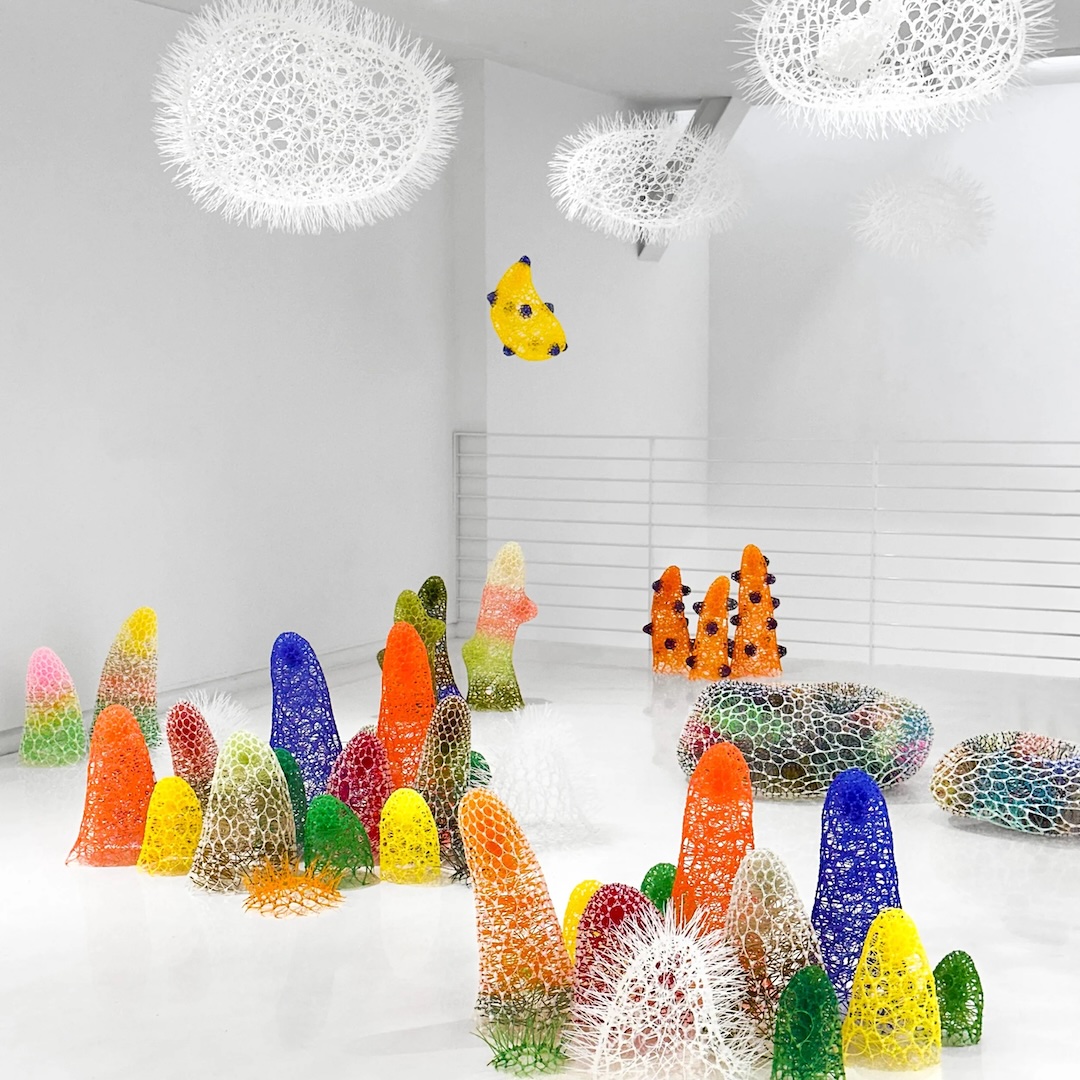
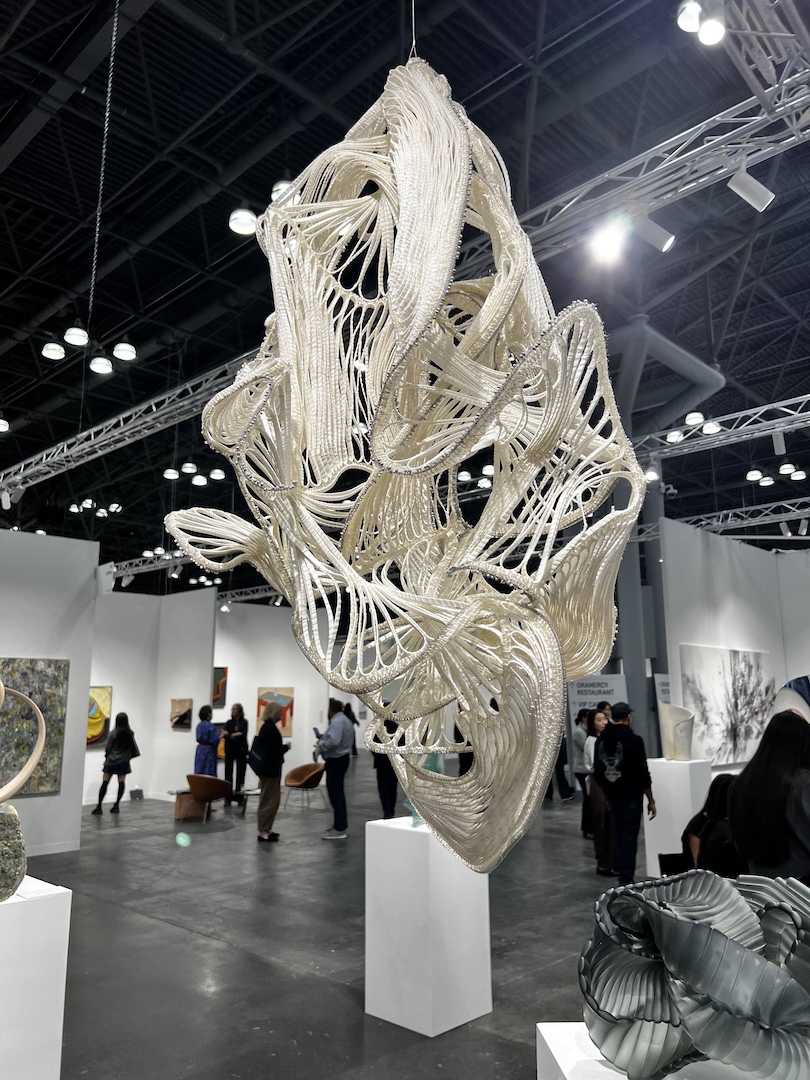
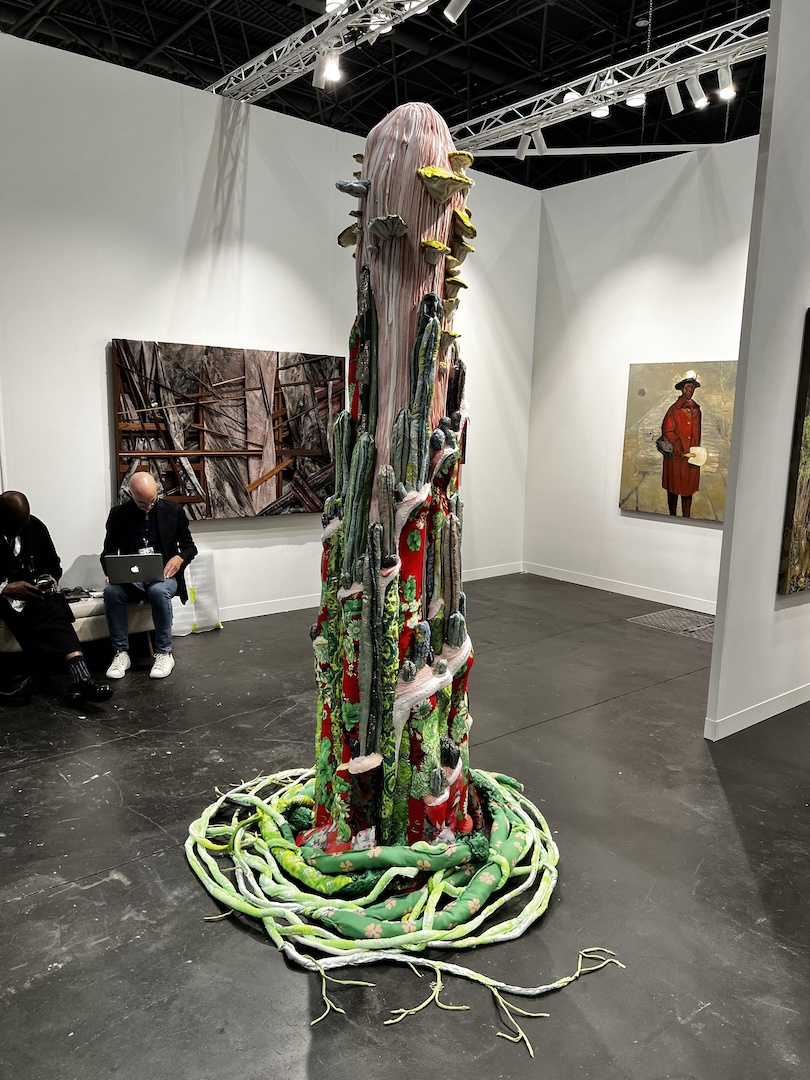
Sui Park (South Korea) shared a booth with her studio mate Jacob Hicks (Texas). She weaves hand dyed industrial zip ties into biomorphic sculptures and immersive installations, carrying Korean basketry and her fiber arts training into the age of mass production. The walls were painted floor to ceiling and their pairing of two and three dimensional works shared a wonderful synergy with gesture and microscopic details that created a claustrophobic sugar overload of meticulous detail.
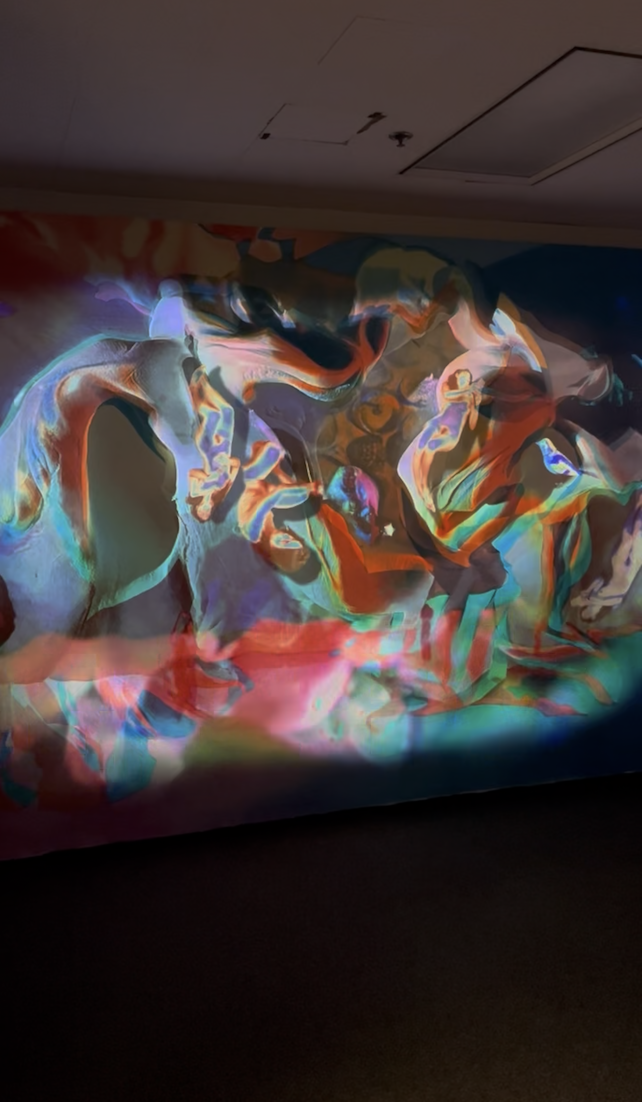
Jessica Mensch (Canada) installed a single live video feed in a dark room that initially read as an abstract painting. On closer observation, layers of her nude body moved through different angles gradually emerging interwoven with multiple layers of her paintings. The imagery unfolded against an audio backdrop of crystal like fractals and water droplets in an ice cave. Adina Andrus (Romania) presented ceramic sigils drawn from the folk imagery of her native country.
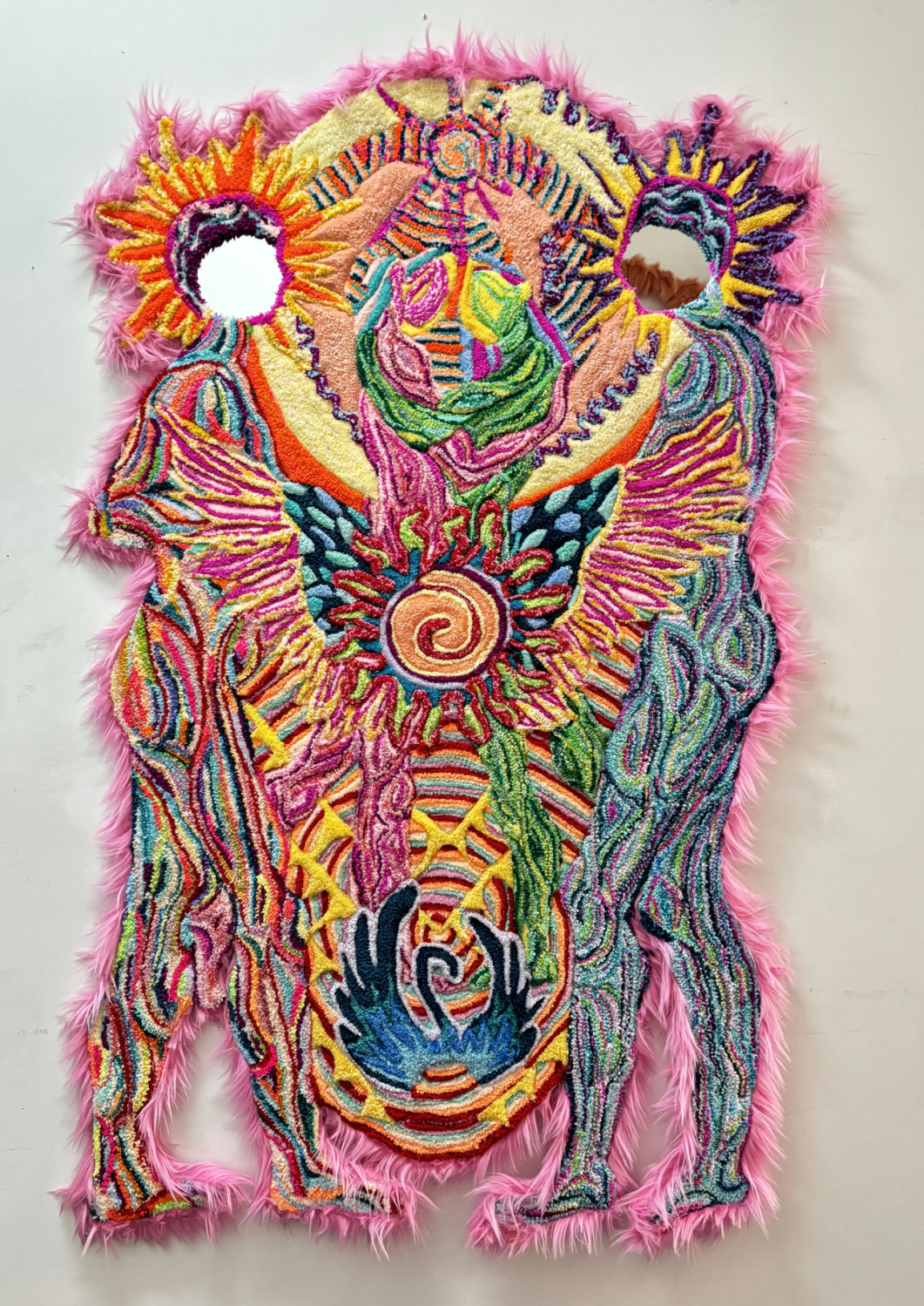
Traci Johnson (New York), whose work I first met through Chashama builds feminist wall pieces reminiscent of vaginas from faux fur and yarn with portal like openings at human scale that pull the viewer in. The mixed media layering and bold colors the work a punch that is unmissable.
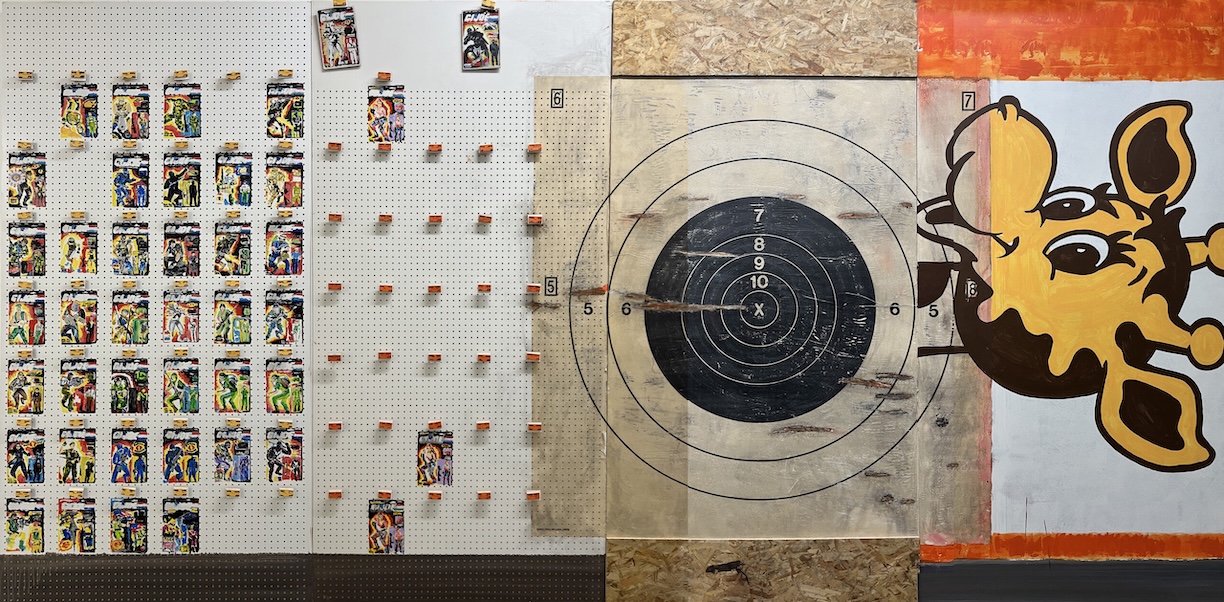
Nick C. Kirk transformed the space corner to corner into a simulated comic book store, complete with racks, labels and painted objects. Every item was blurred and stripped of identifying marks suggesting the way memory distorts and fragments what we once knew. Trained in sculpture and painting, Kirk draws directly from childhood memories to reconstruct a familiar world through the haze of recollection.
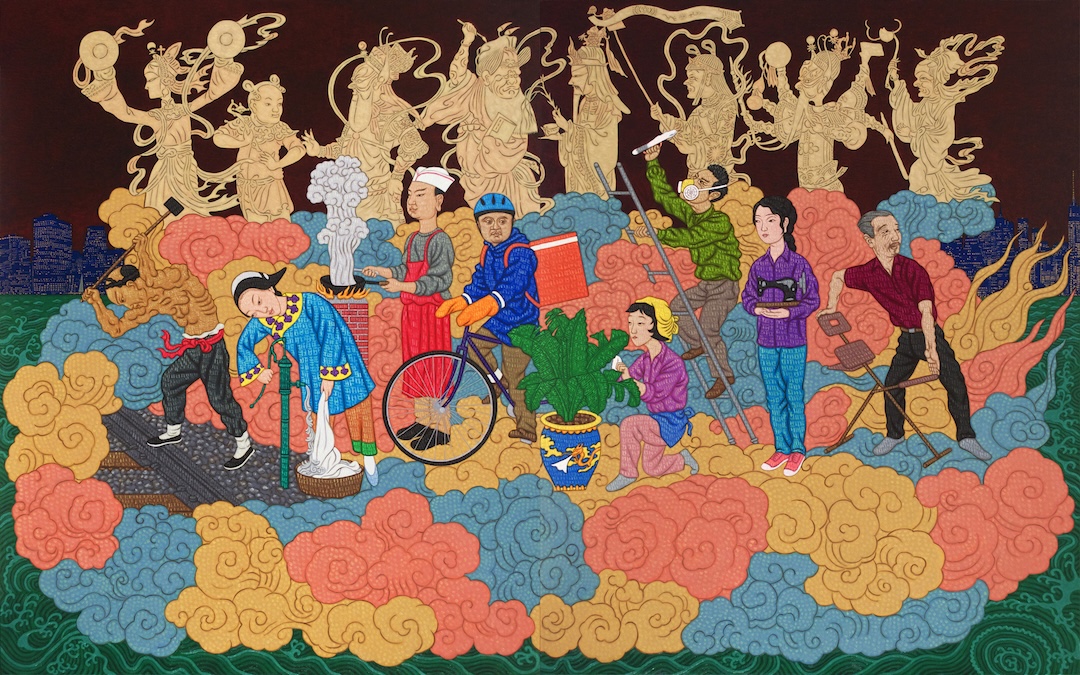
Other noteworthy rooms included Utopia an AAPI focused NYC art collective that fosters creativity and community through exhibitions, immersive installations and cross disciplinary programming. Christopher Chan (80WSE) presented clean, crisp, airy hyperreal animated characters infused with humor drawn from pop culture and street art. Lily & Honglei (China), an immigrant collaborative based in Queens, painted Chinese mythological figures into urban environments in a highly detailed Oriental style. Slow Factory staged a People’s Newsroom in the building’s former recording studios, transforming the floor into an interactive broadcast set.
Ancestors in the Material
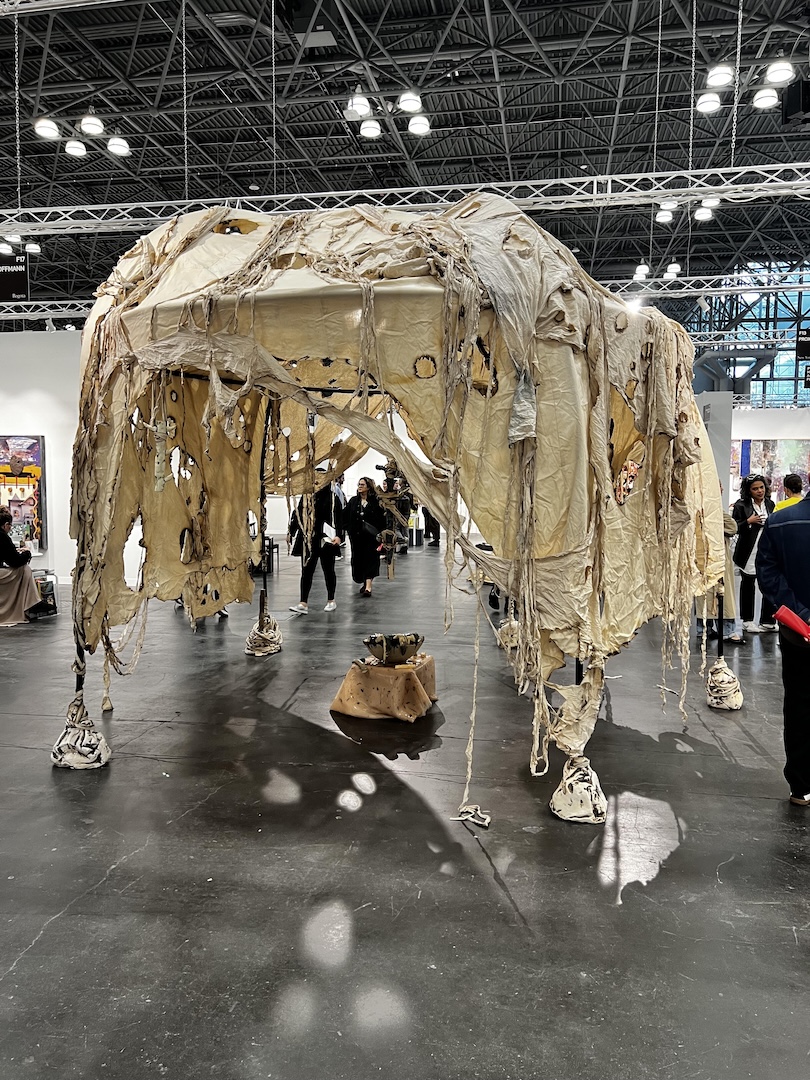
The Armory Show built its 2026 program around the Caribbean and its diasporas and I felt it from the first aisle, with strong sculpture throughout and Caribbean and African art at the center of the conversation similar to last year. Large installations in the Platform section turned toward emerging technology across the region. The blue chip booths held familiar ground while my attention moved to the curated sections and the younger galleries where I sense the market heading.
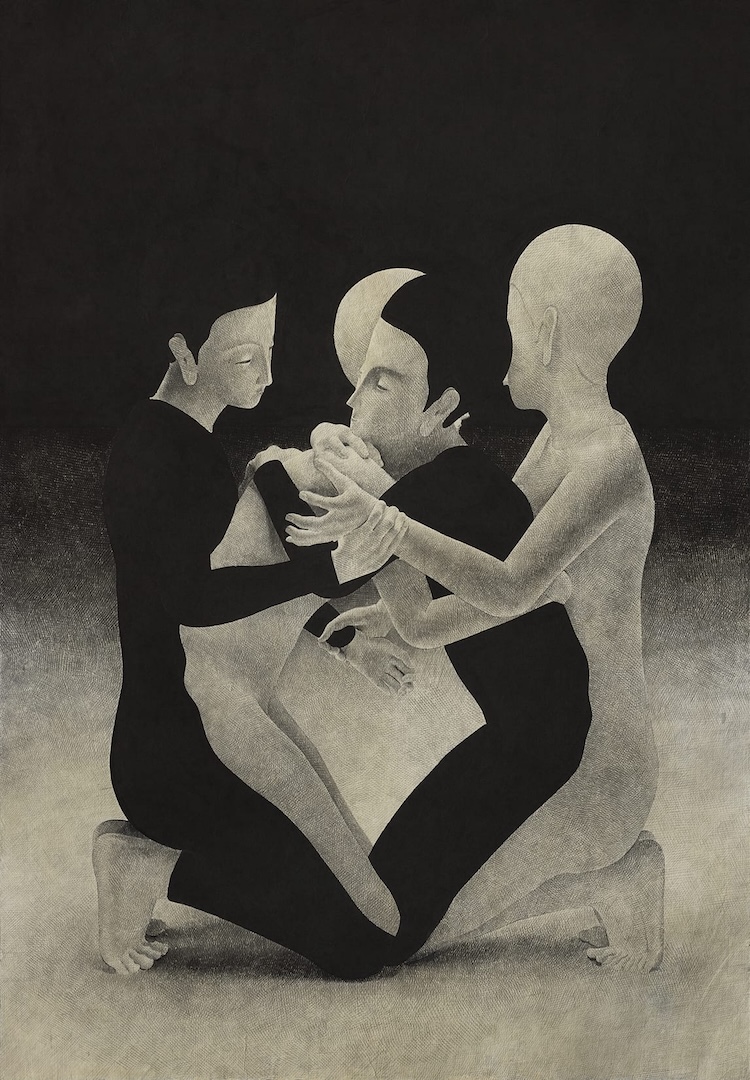
Moonassi (South Korea/Everyday Mooonday) was one of my favorites. I have been followed his work since my early college years and seeing his booth at the Armory felt like a full circle moment. His minimalist black and white work in ink and acrylic on hanji paper carries deep layers of meaning and spiritual relevance balancing Buddhist philosophy with Asian cultural essence. His name derives from anatta, the Buddhist teaching of non-self. His works often depict genderless figures performing physical acts in place of their inner terrain. The titles work as keys to decipher these silent narratives holding a powerful meditative vacuum.
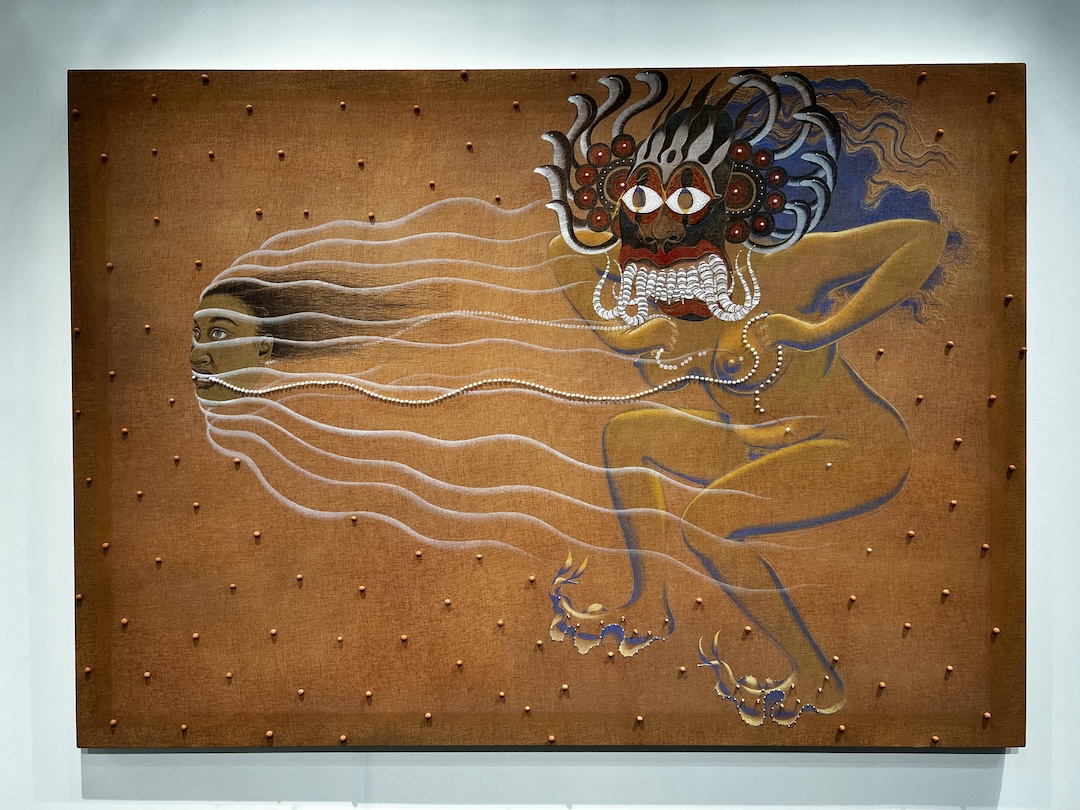
Rajni Perera (Sri Lanka/Nature Morte) was tucked away but I noticed her thangka-inspired painting on raw linen, where a Buddhist mythological deity carried a mystical and dreamy feminine power. Liu Tianlian (China/Yiwei Gallery) installed her booth as a laundromat with checkered floors and a laundry basket for a table. Her meticulous hyperrealistic paintings place the artist as protagonist in New York scenes with comic book references in a pop style that recalls Y2K-era Chinese art.
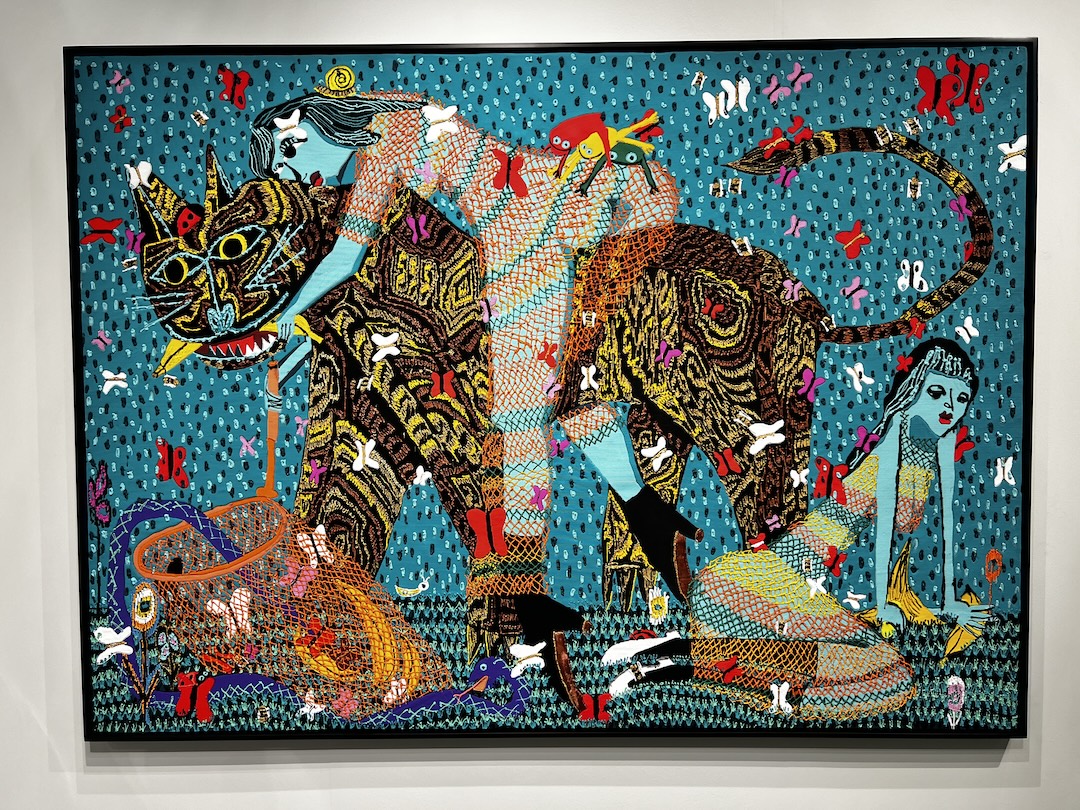
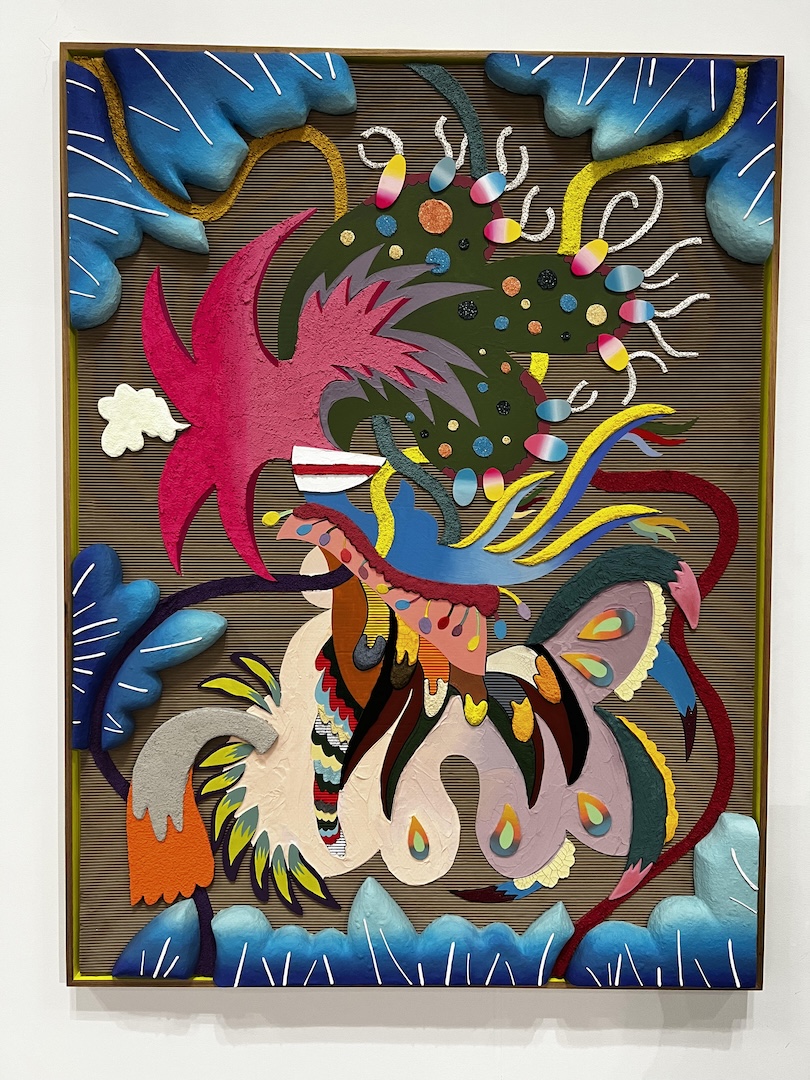
Summer Wheat (Oklahoma/Nazarian+Curcio) pushes acrylic paint through aluminum mesh so her large paintings read as tapestry with raw strands at the edge. Bold color carries mythological scenes that celebrate women as hunters and gardeners and keepers of collective labor.
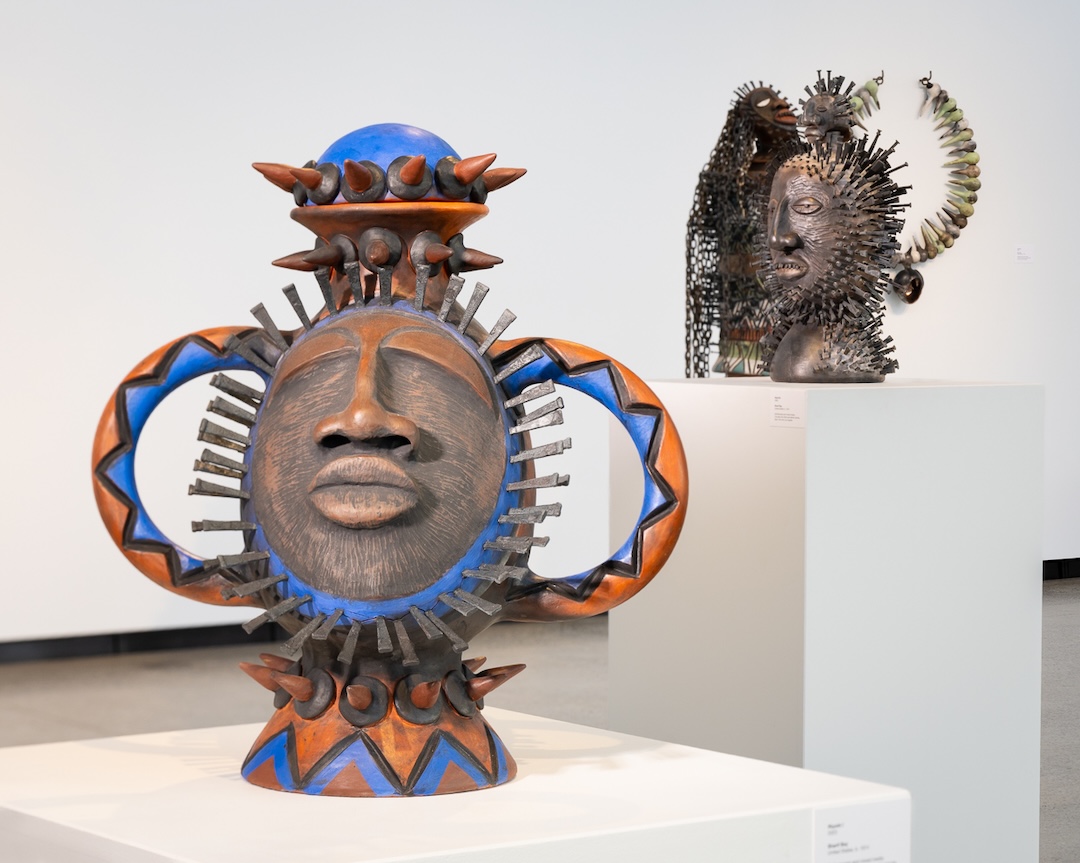
Sharif Bey (Pittsburgh/Albertz Benda) shows ceramic heads as vessels, ports of departure that draw on modernism, Oceanic art and the folklore of the African diaspora with surfaces of sgraffito and mishima.
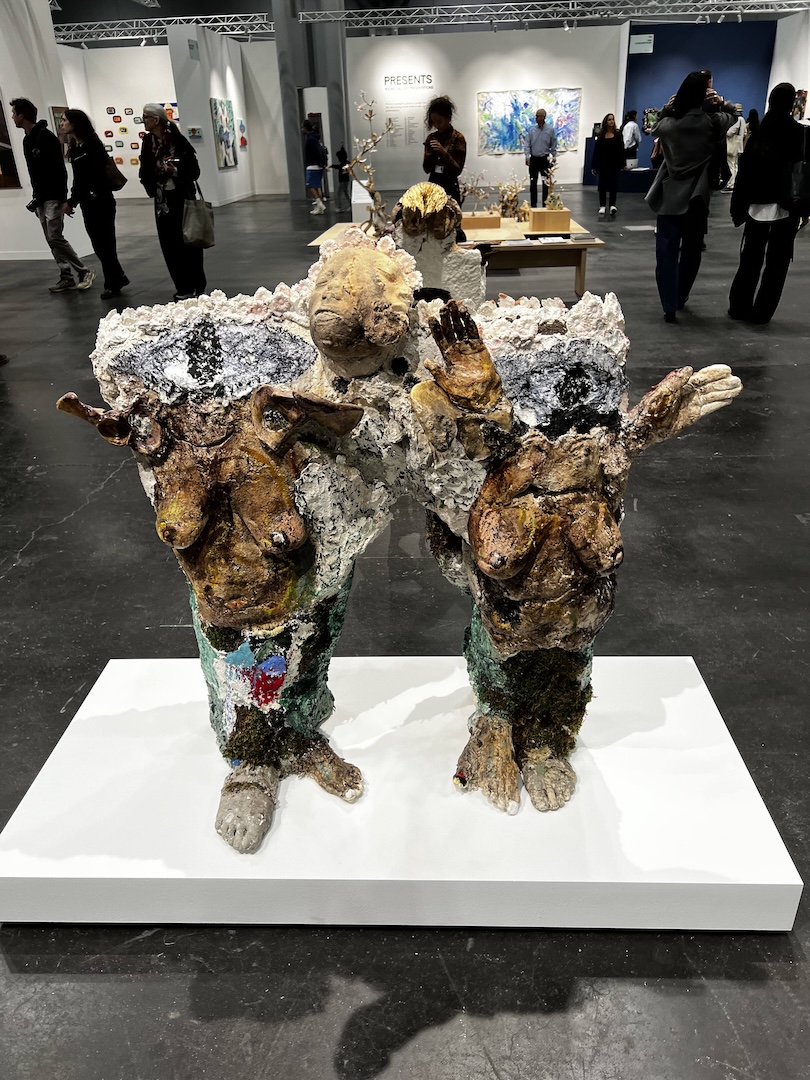
Nickola Pottinger (Jamaican American) showed two small sculptures of real emotional sensitivity made from upcycled paper pulp and collected objects. A pregnant belly on one figure spoke to ancestry and generational ties. Jasmine Little (La Loma Gallery) made large stoneware vessels with figures etched into the sides of the open forms and glazed by hand. Her carvings draw on Greek vase painting, Safavid carpets, Japanese woodblock prints and medieval manuscripts.
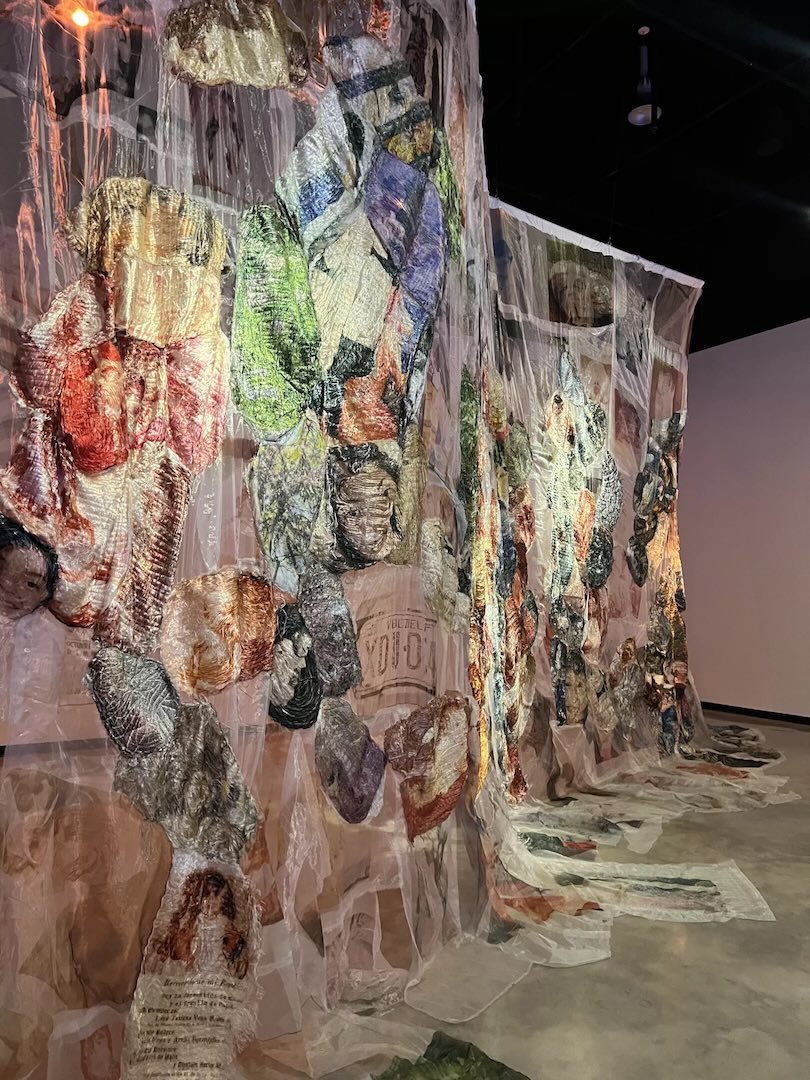
Lisu Vega (Miami) wove one of the largest tapestry installations at the fair from repurposed rope and sheer fabric. Her series The Tree of My Memories gives woven form to her grandmother’s white chair beneath a mango tree.
Reflections
Last September the appearance of the first Mongolian artist at The Armory Show marked a significant shift in how I understood my own place within the contemporary art landscape. This September I encountered a Korean artist whose ink practice engaged the Buddhist concept of non-self, another cultural framework through which the individual dissolves into something larger. Across three fairs, these encounters reinforced how often contemporary artists are working through inherited systems of belief, memory, culture and identity while translating them into forms that speak to the present.
Artists are in this sense keepers of lineage and cultural memory. They carry histories forward through materials, techniques, stories and ways of seeing while transforming what they inherit in response to their own time. Across the three fairs that continuity became the clearest thread connecting the work. Beneath the differences in medium, market and institutional context was a recurring question of what survives, what changes and what gets carried forward. This may be one of art’s most enduring functions: giving cultural memory a contemporary form so each generation can reinterpret where it comes from while leaving something for the next.


elaborate?